
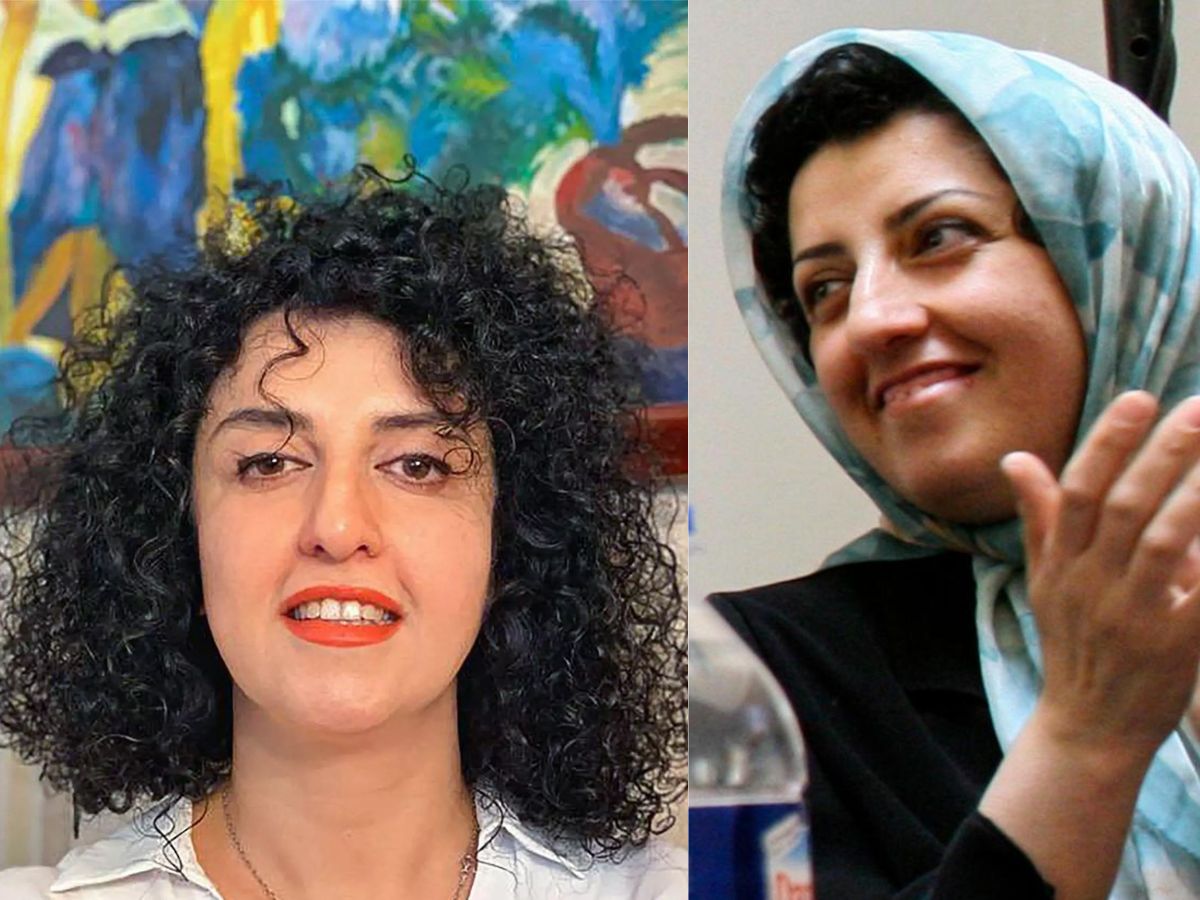

The Iranian judicial system has increased its suppression of opposition groups because it decided to extend the prison sentence of Nobel Peace Prize winner Narges Mohammadi by seven and a half years.
The 53-year-old activist, who already faced multiple prison terms for her advocacy work, received two new convictions for “collusion against national security” and “propaganda activities.”
Mohammadi suffered this latest legal punishment after she finished a six-day hunger strike, which she used to protest her limited access to legal advice and family visits.
Authorities brought her back to the Mashhad security detention center before she finished her medical treatment after they temporarily moved her because of her worsening health condition, which raised international alarm about her safety.
Judicial Repression
The legal framework used against Mohammadi functions as a system of judicial repression, which aims to silence major reform advocates. Her current sentence includes six years for gathering and collusion, alongside eighteen months for spreading propaganda against the state.
The court implemented a two-year internal exile for Khosf and a two-year travel prohibition, which extends beyond her prison term. The authorities opened these measures as a permanent punishment, which aims to cut her ties with human rights networks that she established over twenty years.
The legal struggles of Mohammadi, who serves as the deputy director of the Defenders of Human Rights Center, demonstrate how civil society organizations face increasing restrictions while activists who confront state power experience severe consequences.
Activism Risks
The situation of Mohammadi demonstrates that activists who fight for gender equality and the abolition of capital punishment in Iran face extreme danger to their safety.
Her new arrest happened after she publicly condemned the suspicious death of lawyer Khosrow Alikordi, which showed her ability to impact people even when she stayed inside the penal system.
The government uses her memorial addresses, which she delivered as “norm-breaking slogans,” to create charges against her for conducting peaceful demonstrations.
The combination of her health problems with her hunger strike and denial of necessary medical treatment shows that her ongoing imprisonment poses a serious danger to her life.
Also Read: ‘Does Not Scare Us’: Iran Responds to US Military Buildup in Middle East, Tensions Escalate Further
A recent media graduate, Bhumi Vashisht is currently making a significant contribution as a committed content writer. She brings new ideas to the media sector and is an expert at creating strategic content and captivating tales, having working in the field from past four months.




