
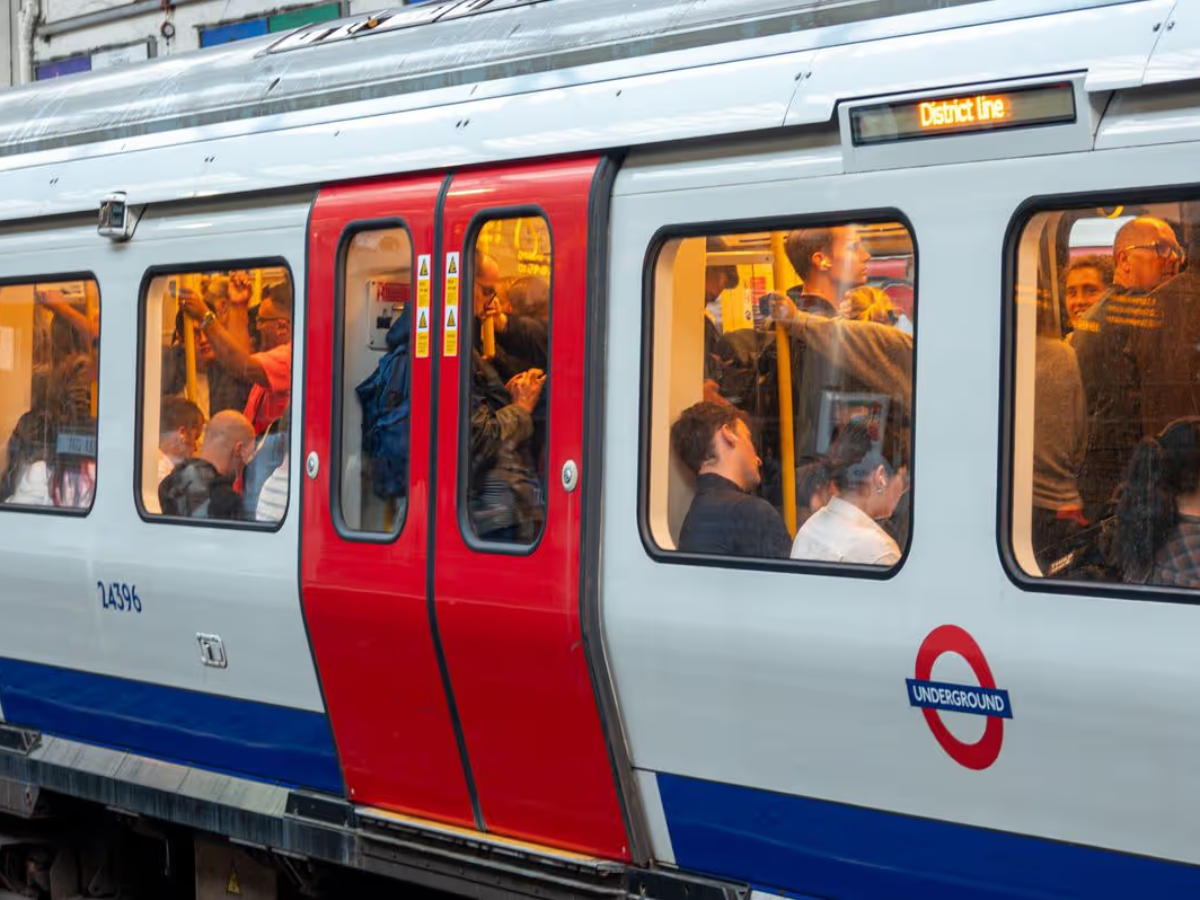
London Underground workers are to stage a new wave of strikes in May 2026, which could create serious travel disruption in the capital. The proposed industrial action is likely to bring significant chaos to several Tube lines, resulting in service cancellations, delays and heavy congestion on other modes of transport.
Transport chiefs have already advised commuters to plan, allow extra time for journeys and avoid non-essential travel during the strike period. The disruption is likely to affect not just commuters but also those flying into airports and long-distance travellers passing through central London.
Strike Dates and Timing Details
The upcoming industrial action is scheduled across two separate periods: May 19–20, 2026 and May 21–22, 2026.
The disruption is expected to intensify during these windows, with knock-on delays likely even before and after the official strike hours. First strike begins at 12 PM on May 19 and continues through May 20. Second strike begins at 12 PM on May 21 and continues through May 22.
Which Tube Lines Will Be Most Affected
Several major Underground lines are expected to face little to no service during the strike periods. These include the Circle Line, Piccadilly Line, and large sections of the Metropolitan and Central lines. Other lines on the London Underground network may run a reduced service or experience unpredictable delays depending on staff and station availability.
What is the London Underground strike?
The strike action is being led by members of the National Union of Rail, Maritime and Transport Workers (RMT). The union has raised concerns over proposed changes to working patterns, including compressed schedules and longer shifts. The changes could increase fatigue and reduce safety standards across the network, workers say. Transport authorities say operational reforms are needed to improve efficiency. Areas Most Likely to be Severely Disrupted
Central London is likely to be the most affected area, particularly major travel corridors and interchange hubs. Major disruption is expected at King’s Cross, Victoria, Liverpool Street and Baker Street. Airport links, especially those linked to Heathrow, could also be hit hard by reduced Tube links. Commuters asked to use alternative transport.
Alternative Transport Options for Commuters
Passengers are being encouraged to use alternative transport services wherever possible during the strike. More passenger demand is expected to be absorbed by the Elizabeth Line, London Overground, Docklands Light Railway and National Rail services. Bus services across the city will remain operational, but are likely to be heavily crowded. Cycling and walking are also expected to become more common, particularly for short central London journeys. Airport Travel and Long-Distance Connections
Airport Travel and Long-Distance Connections
Travel to and from London airports will also be affected, particularly for Heathrow, where Tube connections play a key role in passenger movement. Travellers are advised to use the Heathrow Express, Elizabeth Line, or National Rail alternatives depending on their destination. Similar alternatives exist for Gatwick and Stansted airports via express rail services and coach networks. Travel Advice and Safety Guidance
Travel Advice and Safety Guidance
Commuters are strongly advised to plan journeys and check live updates before travelling. Consider travelling earlier than usual and avoiding the busiest times. Consider using more than one mode of transport. Transport for London (TfL) is expected to deploy extra staff at key stations to help manage crowd flow and passengers. Travellers can also expect longer wait times at peak periods of congestion and are advised to avoid non-urgent travel.
ALSO READ: Oil Prices Hit Two-Week High Following Drone Strike on UAE Nuclear Facility
Harshita is a journalist and digital content writer specializing in breaking news, current affairs, travel, education, and trending stories. She is focused on delivering accurate, timely, and engaging content with a strong emphasis on clarity and audience relevance.





