
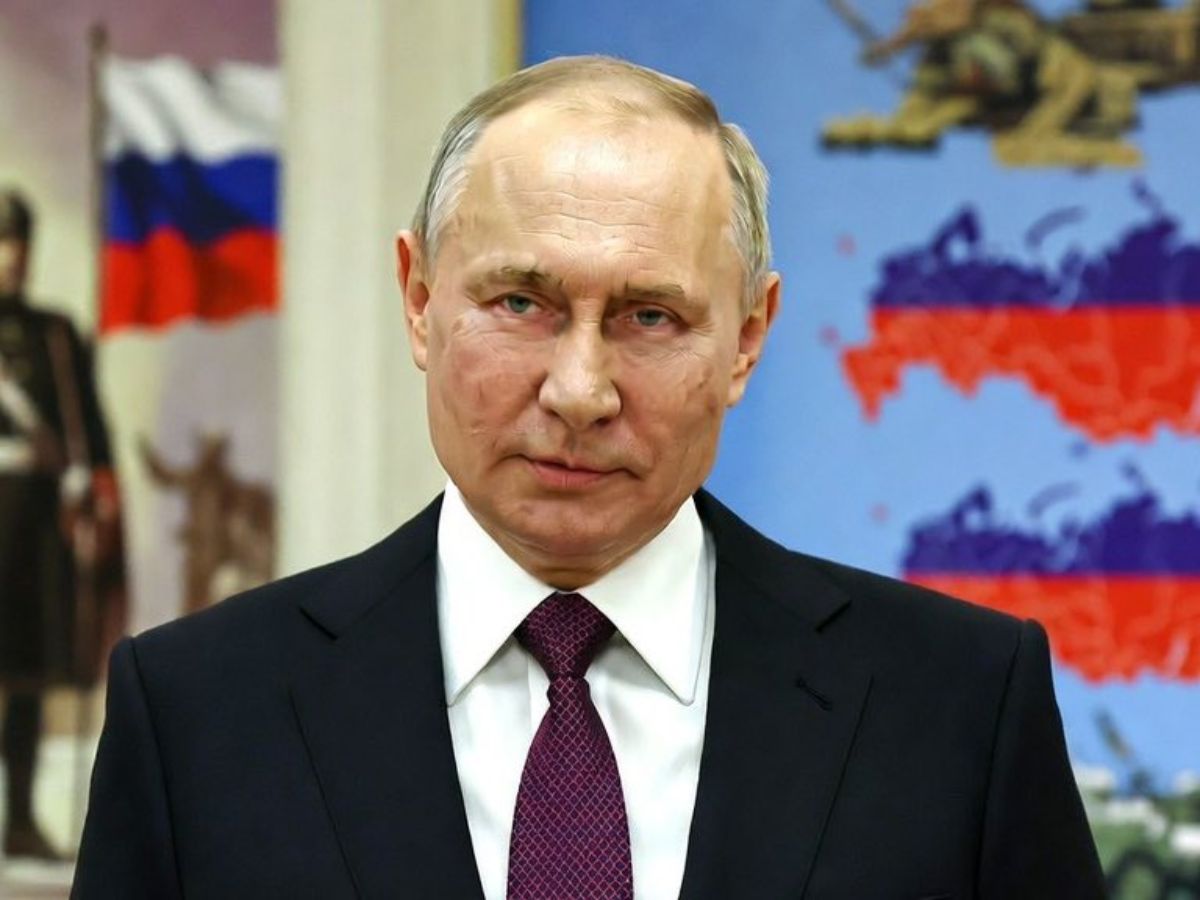

Telephonic Condolences to Iran
Russian President Vladimir Putin spoke via telephone with his Iranian counterpart, Masoud Pezeshkian, on Friday to convey condolences over the assassination of Supreme Leader Grand Ayatollah Seyyed Ali Khamenei, his family members, and senior military and political figures in Iran. According to Russia’s Foreign Ministry, Putin expressed “heartfelt condolences” and condemned the attacks attributed to U.S. and Israeli military action. The conversation underscored Russia’s position favoring an immediate cessation of hostilities and the rejection of force as a method to resolve disputes involving Iran or other Middle East conflicts.
Russia Advocates Diplomatic Resolution
During the telecon, Putin reiterated that resolving tensions through diplomacy remained Russia’s priority. He confirmed that Moscow maintained constant contact with Gulf Cooperation Council (GCC) member states to stabilize the region. The Russian Ministry of Foreign Affairs noted that discussions would continue via multiple communication channels to ensure coordination and support for peaceful resolution.
Iran Appreciates Russian Support
Masoud Pezeshkian expressed gratitude for Russia’s solidarity, highlighting that Iran is defending its sovereignty and independence amidst widespread attacks. The Iranian official also provided updates on the latest phase of military activity, emphasizing the country’s ongoing defensive measures. Both sides agreed to maintain regular communication to monitor developments and coordinate responses.
Escalating Regional Conflict
The diplomatic engagement comes amid heightened tensions in West Asia following a joint U.S.-Israel military strike on February 28, which killed Khamenei and other senior figures in Iran. Known as Operation Epic Fury or Roaring Lion, the offensive targeted Iran’s key military sites, nuclear infrastructure, and leadership compounds. In retaliation, Iran launched multiple waves of drone and missile attacks across several Arab countries, hitting U.S. military bases and Israeli assets. Israel has continued its strikes on Tehran and expanded its operations to Lebanon, targeting Hezbollah positions.
Global Concerns Rise
The conflict has raised alarms among regional and global powers, with several nations calling for restraint. Russia’s public diplomatic support signals Moscow’s attempt to stabilize the region and prevent further escalation. Analysts note that the ongoing hostilities risk widening the confrontation, potentially disrupting global energy supplies and further straining international relations in West Asia.
(This article has been syndicated from ANI)
Aishwarya is a journalism graduate with over three years of experience thriving in the buzzing corporate media world. She’s got a knack for decoding business news, tracking the twists and turns of the stock market, covering the masala of the entertainment world, and sometimes her stories come with just the right sprinkle of political commentary. She has worked with several organizations, interned at ZEE and gained professional skills at TV9 and News24, And now is learning and writing at NewsX, she’s no stranger to the newsroom hustle. Her storytelling style is fast-paced, creative, and perfectly tailored to connect with both the platform and its audience. Moto: Approaching every story from the reader’s point of view, backing up her insights with solid facts.
Always bold with her opinions, she also never misses the chance to weave in expert voices, keeping things balanced and insightful. In short, Aishwarya brings a fresh, sharp, and fact-driven voice to every story she touches.




