
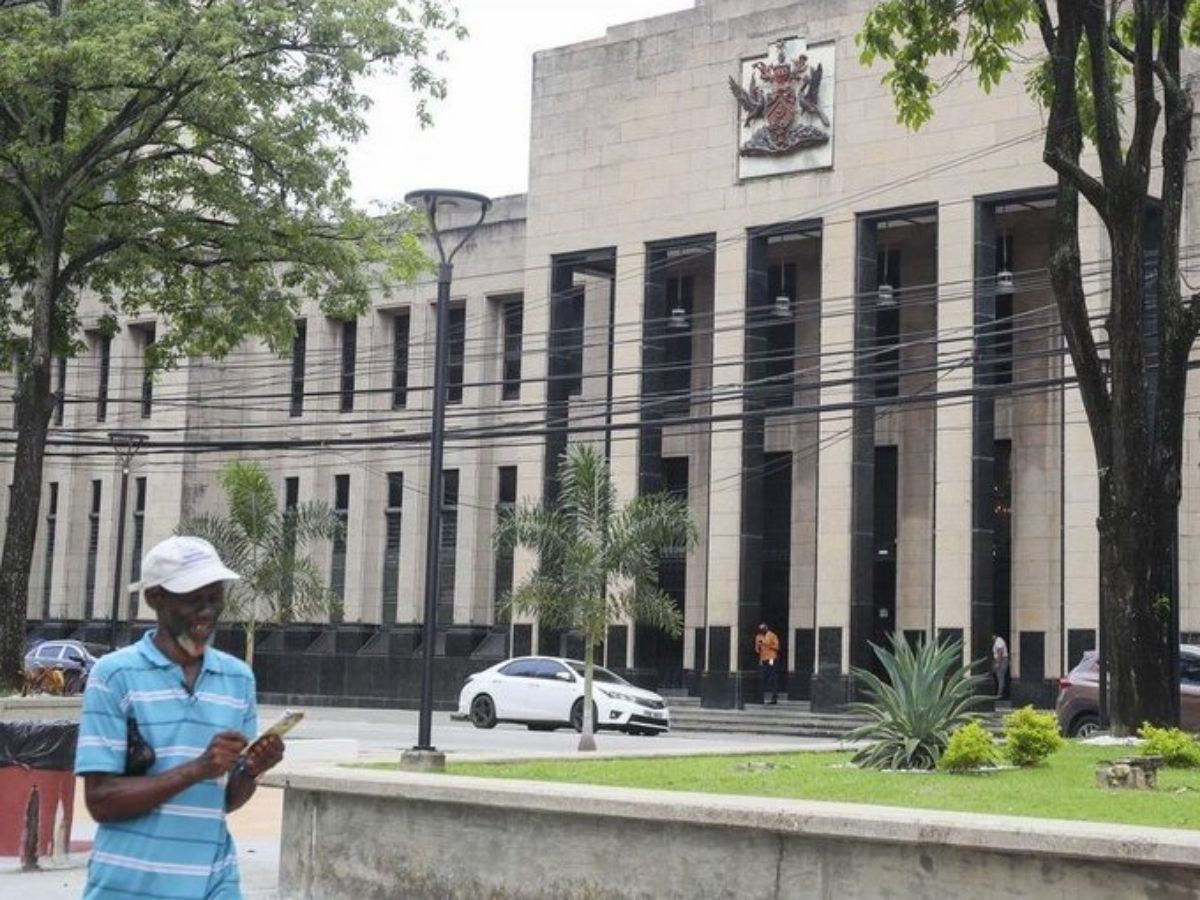

Trinidad and Tobago has extended its nationwide state of emergency by three months, citing serious threats to national security stemming from within its prison system, according to a report published by The Associated Press on Tuesday. The initial emergency, declared on July 18, was supposed to last 15 days, but authorities say the danger persists.
“We are here for an extension, we are here because the threat exists,” Legal Affairs Minister Saddam Hosein reportedly said during Monday’s emergency session of Parliament.
Prison Systems Accused of Being Criminal Command Centers
According to the report, lawmakers were stunned as Attorney General John Jeremie alleged in the House that some prison guards and even attorneys have been helping inmates coordinate serious crimes.
“The system has been compromised, and it has been serving inmates as a protected criminal command center,” Jeremie told Parliament, per AP.
Jeremie further said that some prison officers had openly tipped off inmates when special police units were conducting raids. Attorneys, too, were accused of smuggling information to imprisoned gang leaders, the report said.
High-Risk Inmates Moved, But Threats Persist
As part of the Trinidad and Tobago government’s crackdown, inmates who posed greater risk have been transferred to military bases in western Trinidad. However, the move, experts say, doesn’t appear to have fully eliminated outside interference.
“Those locations that they were removed to were very recently also infiltrated by two drones,” Jeremie claimed. The military, the report said, reportedly foiled both incidents.
Meanwhile, the Prison Officers’ Association strongly hit back at the accusations, defending its members while also condemning the claims.
Recent History and Public Pressure Shape Action
The extended emergency was approved just a day after Trinidad and Tobago marked 35 years since the failed 1990 coup attempt by Jamaat-al-Muslimeen. Jeremie referenced the historical parallel, warning that today’s threat is “not dissimilar from those at that time,” as reported by The Associated Press.
While both government and opposition MPs backed the extension, opposition members reportedly questioned the impact of the emergency so far. Government officials, for their part, informed the parliament that over 340 people had been arrested and more than 800 operations were carried out in the past 10 days.
This marks the second time in less than a year the Caribbean nation has enacted emergency powers. A similar measure was taken last December due to rising gang violence and lasted until mid-April.
ALSO READ: Student Expulsions Spark Violent Clashes Between Protesters & Police in Serbia’s Novi Pazar




