

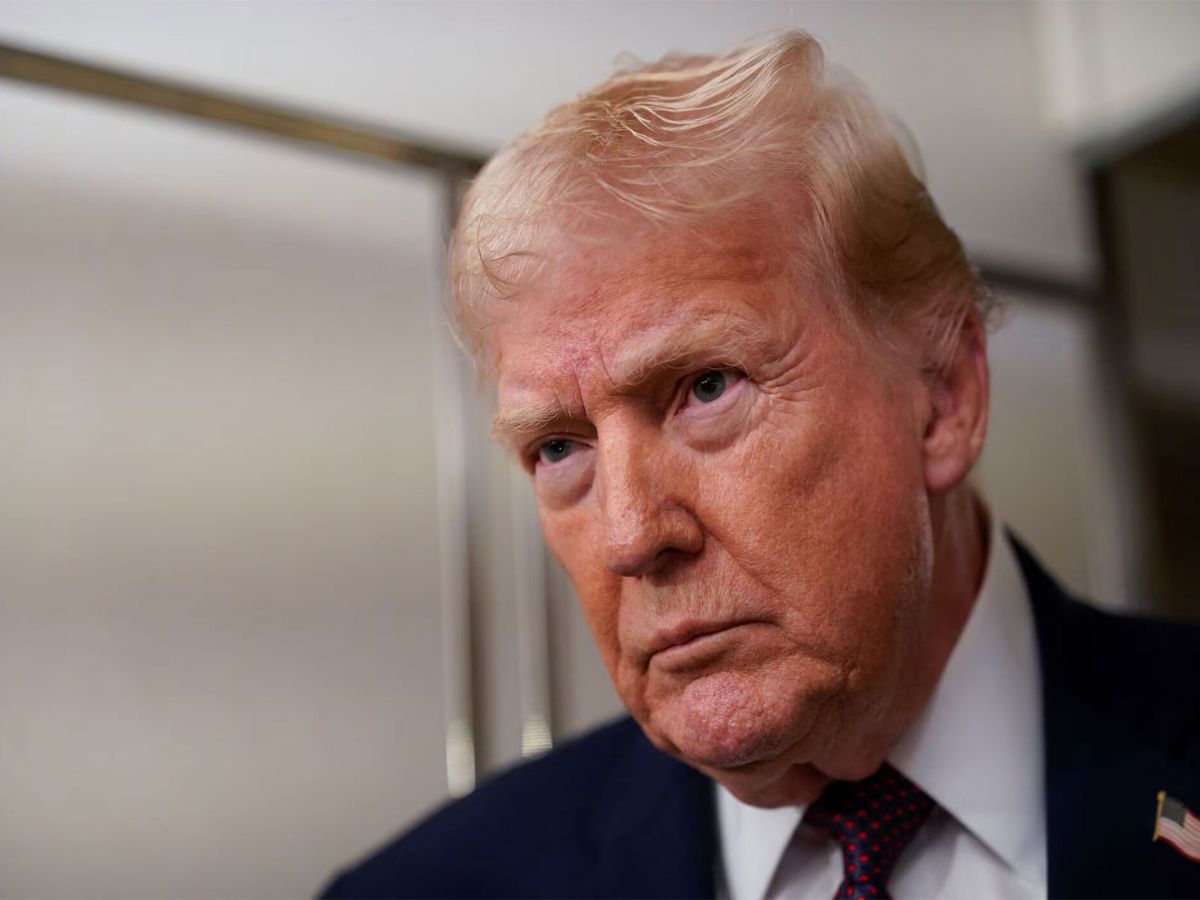
The United States and Iran appear closer than ever to ending months of military tensions, with US President Donald Trump announcing that a peace agreement could be signed within the next few hours. The proposed deal, which has been under negotiation through mediators including Qatar and Pakistan, is being viewed as a potential breakthrough for regional stability and global energy markets. However, despite Trump’s optimism, Iranian officials have cautioned that negotiations are still ongoing and that they have not yet secured final approval.
What’s In US-Iran Peace Deal?
While the full agreement has not been publicly released, details from draft documents and officials familiar with the negotiations reveal several key provisions.
1. Iran Commits Not to Pursue Nuclear Weapons
A central pillar of the agreement is Iran’s commitment not to develop or acquire nuclear weapons. The draft framework reportedly freezes Iran’s current nuclear activities while broader negotiations continue regarding its enriched uranium stockpile and future nuclear programme.
2. Reopening the Strait of Hormuz
Iran would immediately reopen the Strait of Hormuz to commercial shipping, restoring one of the world’s most critical oil transit routes. The agreement reportedly seeks to return shipping volumes to normal levels within 30 days.
3. Temporary Sanctions Relief
The United States would temporarily waive certain oil-related sanctions and refrain from imposing new sanctions during the negotiation period. This could allow Iran to increase oil exports and ease economic pressure.
4. Release of Frozen Iranian Assets
One of the most significant economic components reportedly involves the release of approximately $25 billion in frozen Iranian assets. The funds would be made available through agreed financial mechanisms as part of confidence-building measures.
5. 60-Day Ceasefire and Negotiation Framework
The draft memorandum reportedly extends the current ceasefire for 60 days while both sides negotiate a more comprehensive long-term agreement. During this period, discussions would focus on unresolved nuclear issues and regional security arrangements.
6. Future Nuclear Negotiations
The deal is not expected to be the final settlement. Instead, it creates a roadmap for future talks on Iran’s uranium stockpile, verification measures, inspections, and broader nuclear restrictions.
Why Deal Faces Challenges
Despite progress, several obstacles remain. Iranian hardliners have criticised the proposed agreement, arguing that it does not provide sufficient guarantees for sanctions relief and national security interests. Meanwhile, recent regional tensions, including Israeli military actions in Lebanon, have threatened to complicate the diplomatic process.
What Happens Next?
Trump has stated that the agreement could be signed within hours, but Iranian officials continue to stress that negotiations are not fully complete. If finalised, the accord would mark one of the most significant diplomatic developments between Washington and Tehran in years and could have major implications for oil markets, regional security, and future nuclear negotiations.
The emerging US-Iran peace deal reportedly includes sanctions relief, the release of frozen Iranian assets, the reopening of the Strait of Hormuz, a 60-day ceasefire framework, and commitments related to Iran’s nuclear programme. While Trump says he is ready to sign the agreement within hours, final approval from all parties remains the last major hurdle.
Harshita is a journalist and digital content writer specializing in breaking news, current affairs, travel, education, and trending stories. She is focused on delivering accurate, timely, and engaging content with a strong emphasis on clarity and audience relevance.





