
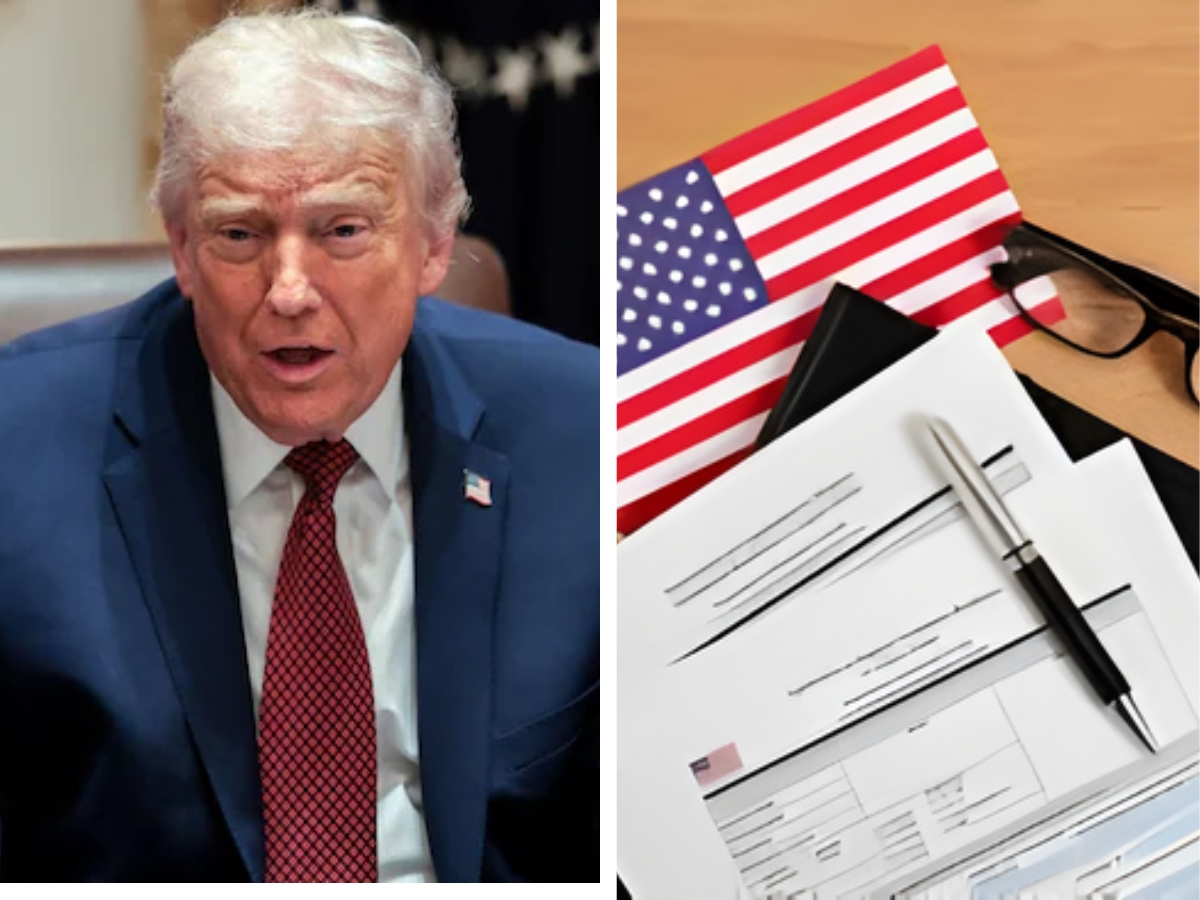

US Tourist Visa: The US administration under Donald Trump is considering a major overhaul of the screening of foreign visitors after a recent mass shooting incident near the White House. The new proposal mentions radical changes around social media vetting, family history, and biometrics needed for the verification of the visitor. The proposal was floated after the US President recently directed that foreign visitors be “vetted and screened to the maximum degree possible.”
According to reports, CBP is considering other requirements also for the screening of the visitors. If you intend to visit the US, you may need to reveal the names, dates, and places of birth of close family members.
The applicant has to share the phone numbers used by the applicant and family in the past five years, while also sharing the email addresses used in the last 10 years.
Reports mention that the applicant has to even submit the DNA samples.
All About Electronic System for Travel Authorization: Who Is Using It, Cost And All
Officials also plan to limit ESTA applications to the official app to prevent users from being redirected to scam websites. Additionally, technology upgrades may track travellers more accurately to ensure departures are properly recorded.
Under new proposals, anyone applying for an ESTA (Electronic System for Travel Authorization) will need to provide five years’ social media history from platforms such as Instagram, Facebook, and X.
Currently, most British visitors use the ESTA system, which costs $40 (£30) and allows stays of up to 90 days within a two-year period. It is also required for transit passengers transferring between international flights in the US.
Applications are made online or via the ESTA app. The permits are granted within a few hours. However, applications can be denied if an applicant’s personal details match someone on a US watchlist, requiring a full US visa application instead.
Social Media Scrutiny Under New Visa Rules
US border officials have long held the authority to check social media. Nine years ago, an optional question was added to the ESTA form, allowing applicants to provide their social media accounts. However, most visitors have historically declined to share this information.
Border officials can also request access to phones upon arrival and question visitors about their online activity.
The new proposal would make social media disclosure mandatory. ESTA applicants would need to provide details of their social media activity over the past five years. The aim is to investigate visitors’ backgrounds “to the maximum degree possible.”
When Will This Policy Come In Effect
The proposals have been published in the Federal Register, opening a period for public and organizational comments. A CBP spokesperson clarified, “Nothing has changed on this front for those coming to the United States. This is not a final rule; it is simply the first step in starting a discussion to have new policy options to keep the American people safe. The Department is constantly looking at how we vet those coming into the country, especially after the terrorist attack in Washington DC against our National Guard right before Thanksgiving.”
While a new policy could be enacted within months, travellers currently have a window to apply for an ESTA without providing social media details.
Which Other Countries Scrutinise Social Media of Travellers
Such social media checks are not common for casual travel in most countries. Only countries like North Korea routinely scrutinize social media for visa applicants. Immigration authorities in some countries do review online activity for permanent residency or immigration cases to cross-check the accuracy of submitted information.
Zubair Amin is a Senior Journalist at NewsX with over seven years of experience in reporting and editorial work. He has written for leading national and international publications, including Foreign Policy Magazine, Al Jazeera, The Economic Times, The Indian Express, The Wire, Article 14, Mongabay, News9, among others. His primary focus is on international affairs, with a strong interest in US politics and policy. He also writes on West Asia, Indian polity, and constitutional issues. Zubair tweets at zubaiyr.amin




