
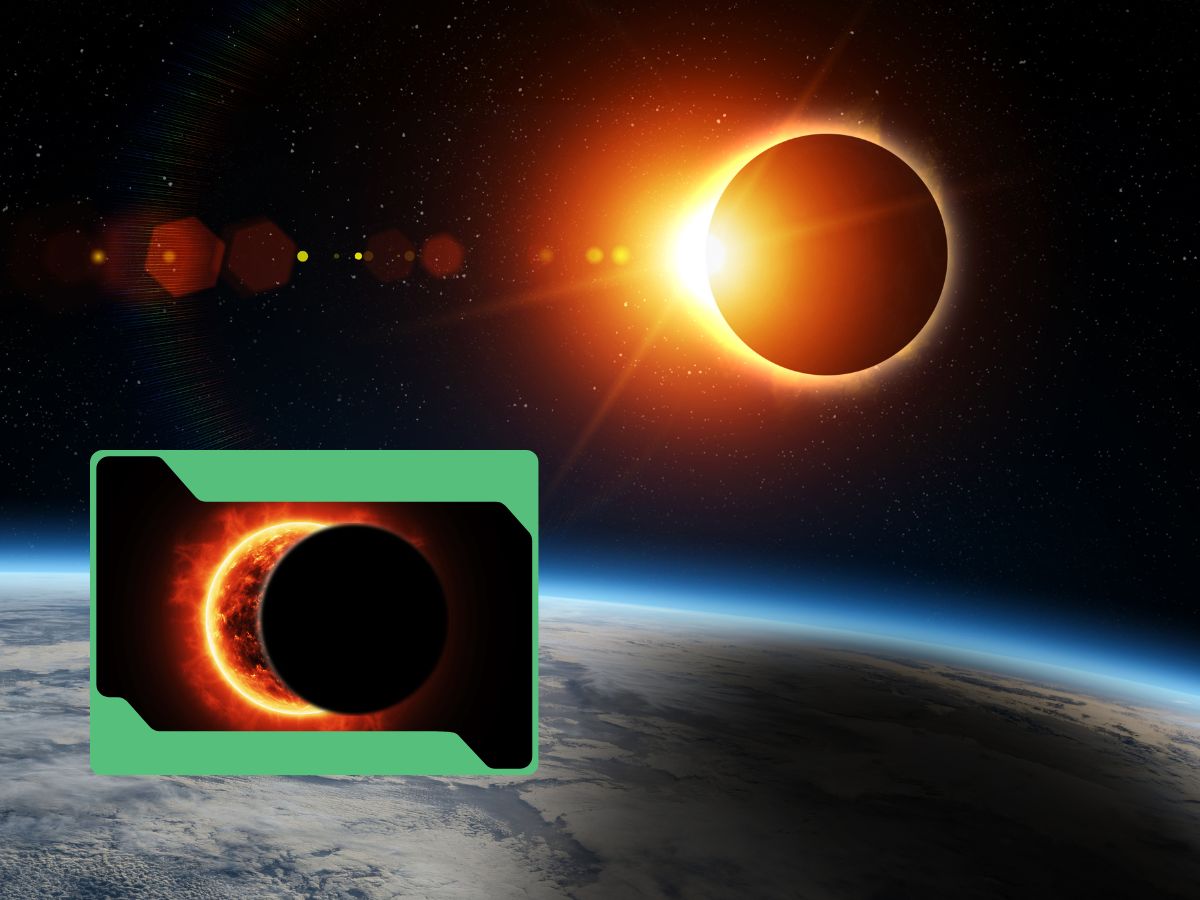

The last solar eclipse (Surya Grahan) of 2025 is on September 21 and will bring together skywatchers throughout the southern hemisphere, where the eclipse will be experienced. While India does not get to experience this eclipse, it will be able to be witnessed from Australia, New Zealand, the tropical islands of French Polynesia, and some of Antarctica.
What is a Solar Eclipse?
A solar eclipse is when the moon passes between Earth and the sun, restricting sunlight either entirely or partially for a period of time. On September 21, the shadow of the moon will fall in select places only that will experience a partial eclipse.
Eclipse Timings
The partial eclipse will begin at 17:29 UTC, which will reach maximum eclipse at 19:41, and end at 21:53 UTC. The best view of the eclipse will be in the Pacific island states and Antarctica, with the extent of the eclipse differing by geographical region.
Eclipse Visibility in India
Although India and most of Asia will not be directly exposed to the phenomenon, astronomers can watch via live streams on the sites of international observatories or global science platforms.
Safety Precautions for Viewing
An astronomer located in a country that can view the eclipse should view it with certified solar viewing glasses or other indirect methods, like pinhole projectors, as it is dangerous to look at the Sun directly.
A Celestial Reminder
Solar eclipses bring worldwide enthusiasts together in curiosity and awe of the universe. They represent a monumental moment that reminds us all in some way of our planet’s position in the solar system, and that can be in person or virtually. The next eclipse is the final eclipse of 2025 and in the celestial year, and will remind millions of people to observe it safely and wonder together.
Shubhi is a seasoned content writer with 6 years of experience in digital media. Specializing in news, lifestyle, health, sports, space, optical illusions, and trending topics, she crafts engaging, SEO-friendly content that informs and captivates readers. Passionate about storytelling, Shubhi blends accuracy with creativity to deliver impactful articles across diverse domains.




