
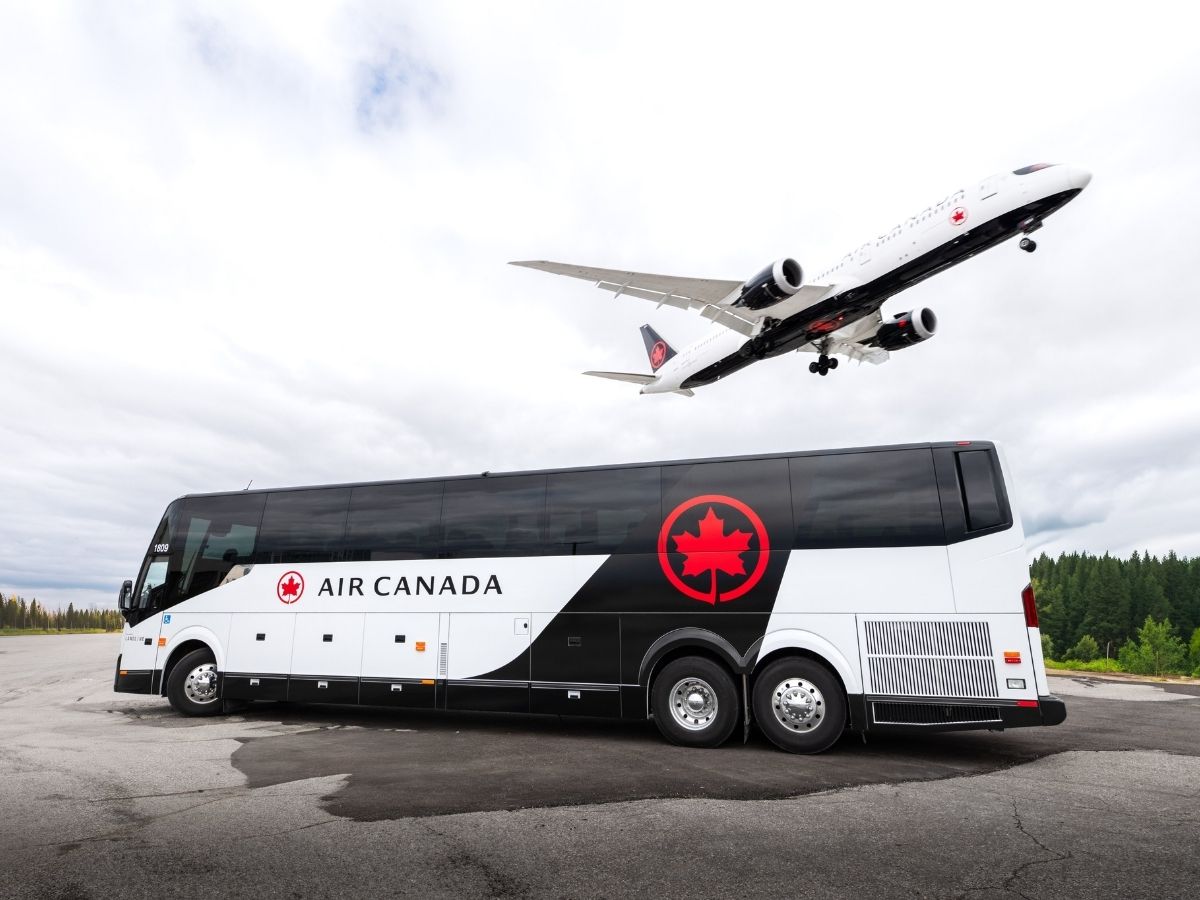

Air Canada’s flight attendants, represented by Air Canada and the Canadian Union of Public Employees (CUPE), are set to strike starting 1 am ET Saturday over stalled contract talks. Bracing for possible disruptions, Air Canada began a phased wind-down of most operations, aiming to complete it over two days, according to a statement released by the Canadian flag carrier.
Around 500 Flights Could Get Cancelled
The airline said it expects to cancel around 500 flights by the end of Friday, disrupting travel plans for an estimated 100,000 passengers. Meanwhile, FlightAware reported 164 cancellations by late Friday morning, including both Air Canada and its low-cost affiliate Air Canada Rouge.
An airline spokesperson explained that travellers who are booked between August 15 and 18 can change flights for free if tickets were purchased by August 14.
Passengers can also rebook flights from August 21 to September 12 at no extra cost or request refunds, per the release.
However, due to the busy summer travel season, rebooking options on other airlines will remain limited.
As of 12 pm on Aug. 15, 2025, this is the operational wind down impact due to the impending CUPE strike:
Total flights cancelled: 294
People impacted: 55,726For information on options if you are scheduled to travel soon: https://t.co/d1FmV1udLI pic.twitter.com/1Npu6TM17S
— Air Canada (@AirCanada) August 15, 2025
What Air Canada Passengers Should Know
Air Canada promised to notify customers of cancellations via email or text. If flights are cancelled during the strike, the airline will try to rebook affected passengers, including with other carriers. The flagship carrier, however, warned that the process may be difficult.
The airline clarified, “If you opt to keep your current booking and your flight is cancelled due to a labour disruption…the possibility of rebooking you within an acceptable timeframe is low.”
Passengers who purchased non-refundable fares can get unused portions credited to an Air Canada Wallet or receive Future Travel Credits, it further said.
Contract Talks Break Down Over Pay
The dispute centers on wages and unpaid work performed on the ground, such as boarding and waiting between flights — tasks that were traditionally unpaid in the industry, Reuters reported.
Air Canada said that its latest offer includes a 38% increase in total compensation over four years, but the union has argued that the proposed eight percent raise in the first year is insufficient to keep up with inflation.
Flight attendant Henly Larden told the Associated Press, “Just because it is a past practice doesn’t mean here in 2025 that it’s OK or it’s right, and we want to change that going forward.”
Impact and Possible Government Intervention
The strike threatens Canada’s tourism sector during peak season and could test the minority Liberal government of Prime Minister Mark Carney. According to Reuters, Jobs Minister Patty Hajdu may ask the Industrial Relations Board to impose binding arbitration, though the union seems unlikely to accept.
Rafael Gomez from the University of Toronto told the US-based news agency, “(Ottawa) might decide to use that, but it’s not as pressing an economic issue for the country as when the railway or the ports were on strike.”
Economists, meanwhile, have estimated that a three-day strike could cost Air Canada about CAD 300 million in earnings, as reported by Reuters.
Passengers’ Experience and Support for Flight Attendants
Several travellers who faced flight delays, expressed sympathy for the union’s demands.
“They deserve a salary increase …and if our flight gets cancelled, I 100% blame Air Canada, not the flight attendants,” one traveller told Reuters.
As the strike deadline nears, tens of thousands of Canadians are facing uncertainty about their summer travel plans, hoping for a resolution soon.




