

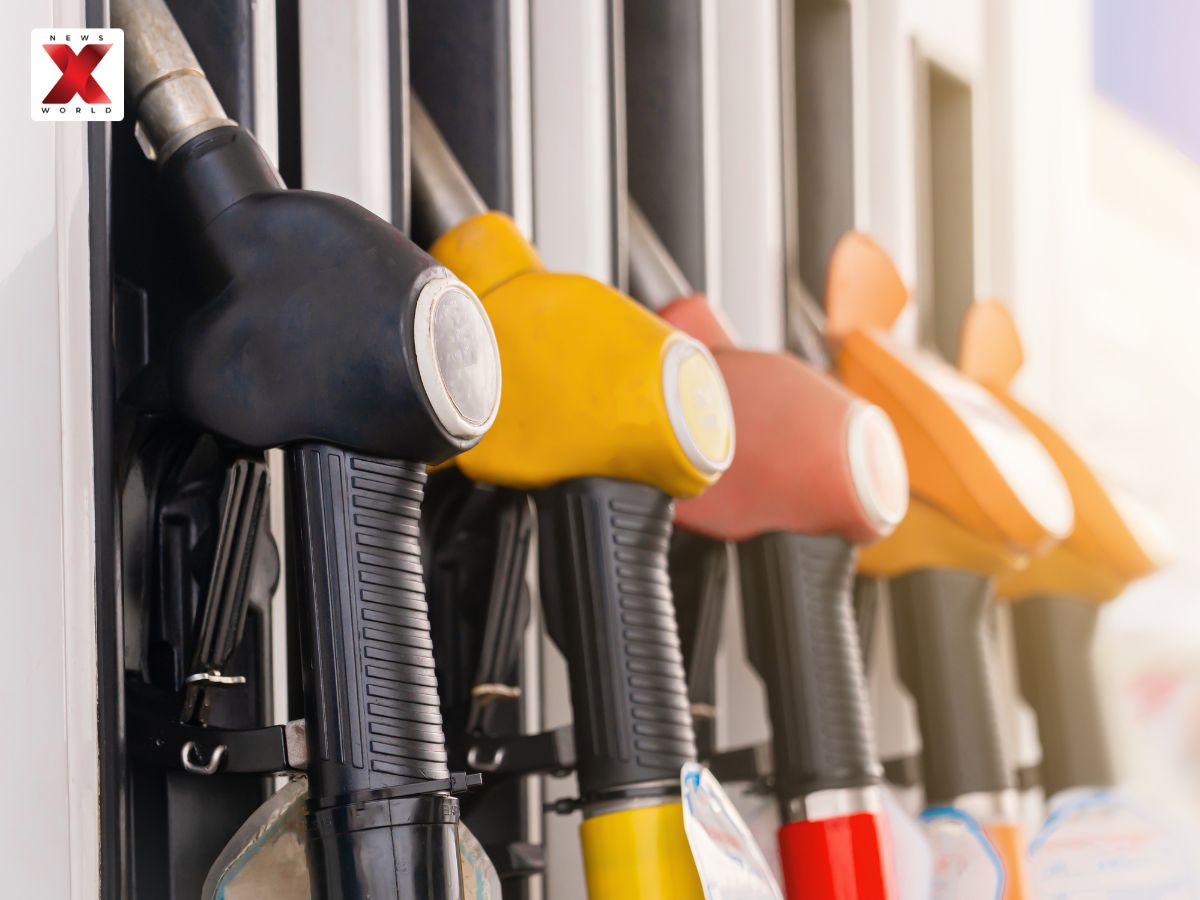
India’s fuel supply system is in the midst of an important but short-term change. The government has banned petrol and diesel from being purchased by industrial, commercial, and institutional users from the retail fuel pumps, with the reasons cited being supply disruption in the global oil market and an increase in demand for fuels. The decision, which is temporary for an initial period of up to 90 days, has been taken so that normal users of fuel can get fuel when needed. Officials state that geopolitical tensions and supply disruptions have tightened the petroleum market globally, leading to the decision.
What’s new in the New Order?
The Ministry of Petroleum and Natural Gas, on June 11, issued the Motor Spirit and High-Speed Diesel (Temporary Regulation of Supply through Retail Outlets) Order, 2026.
The new rules will not allow industrial units, commercial establishments and institutional consumers to buy petrol or diesel from normal retail fuel pumps. Instead, they will have to access fuel through authorised bulk supply arrangements or self-consumer pumps.
The restrictions will last for an initial period of up to 90 days, and the government can extend them through a fresh order, if required.
What’s the rationale behind this move by the government?
The government cited the evolving geopolitical landscape and the resultant impact on the global energy markets as the reason for taking the decision.
The notification, however, read that the “current prevailing geopolitical situation affecting certain regions of the world” affected the global petroleum supply chain, its transportation and the availability of petroleum products.
Bulk consumers have been buying fuel from retail outlets in increasing numbers due to a huge difference between retail and bulk fuel prices – the government said. “It has been observed in current situation that abnormal increases in sales of Motor Spirit (petrol) and High Speed Diesel (diesel) through Retail Outlets in certain parts of the country are driven by shifting of industrial, commercial and institutional consumers to Retail Outlets owing to the price difference between retail and bulk sale prices,” the notification said.
The shift was because of the price gap
The biggest driver for the move is the massive gap between retail and bulk diesel prices.
At present diesel is being sold at petrol pumps in Delhi at around Rs 95.20 a litre, while the bulk sale price is around Rs 134.50 a litre.
The gap further widened after state-run oil marketing companies kept retail fuel prices relatively lower to insulate households and transport users from the impact of higher global crude oil prices following the West Asia crisis earlier this year.
That made it cheaper for industries, telecom tower operators and other large diesel consumers to buy fuel from retail pumps instead of bulk supply channels.
New restrictions on diesel purchases
The government has also made the rules stricter for the sale of diesel at retail outlets. Per order of:
- Diesel shall be supplied only to vehicle fuel tanks or Petroleum and Explosives Safety Organisation (PESO)-approved containers.
- Purchases are limited to 200 litres per customer or vehicle per day.
- Retail dealers are not allowed to sell more than 200 litres of diesel to a customer in a day.
- Diesel sold in retail outlets cannot be resold.
Who will be affected?
The restrictions are anticipated to affect:
- Manufacturing units
- Business premises
- Telecom tower companies
- Construction firms
- Big institutions
- Companies that run diesel generators as backup power
Now, these entities will have to buy fuel from authorised bulk suppliers or dedicated consumer pumps.
What does this change mean for the ordinary consumer?
Most vehicle owners will not see any change immediately.
The restrictions are to protect retail fuel supplies for households, transport operators and individual consumers, the government says.
Officials warned that bulk sales by petrol pumps, if allowed without any restrictions, would lead to the diversion of supplies meant for retail consumers and “create the potential for localised shortages and disruption of essential services to the common man.”
Authorities hope to avoid local fuel shortages, long queues and panic buying in areas of high demand by preventing large-scale purchases at retail outlets.
Action against hoarding and black marketing
The order allows oil marketing firms and fuel retailers to enforce the restrictions.
The state governments and Union Territory administrations have also been asked to check hoarding, black marketing, unauthorised procurement, fuel diversion and other malpractices so as to ensure smooth distribution of fuel and prevent misuse of petroleum products during the restriction period.
The government said the aim was to ensure “equitable availability” of petrol and diesel across the country and to prevent any disruption to supplies.
Can the restrictions extend beyond 90 days?
Yes. The order is good for up to 90 days initially, but the government can extend it if supply conditions require more intervention. “The Government may by a special order exempt any consumer, class of consumers, area, transaction, or category of transactions from all or any of the provisions of this Order,” the notification said.
Violation of the order will attract penalties under the provisions of the Essential Commodities Act.
Priyanka Roshan is a business writer and assistant editor at the NewsX website who tracks everything from stock market swings and corporate earnings to personal finance trends and policy shifts. Known for turning fast-moving business developments into sharp, reader-friendly stories, she combines speed, accuracy, and a data-driven approach to break down complex financial news for everyday audiences.
With over 9.5 years of newsroom experience, Priyanka has worked with leading media organisations, including Moneycontrol, Times Now, and Ping Digital, covering diverse beats such as business, politics, technology, auto, travel, sports, and the world. From live breaking news desks to SEO-led digital storytelling, she specialises in creating engaging content that keeps readers informed without overwhelming them.





