
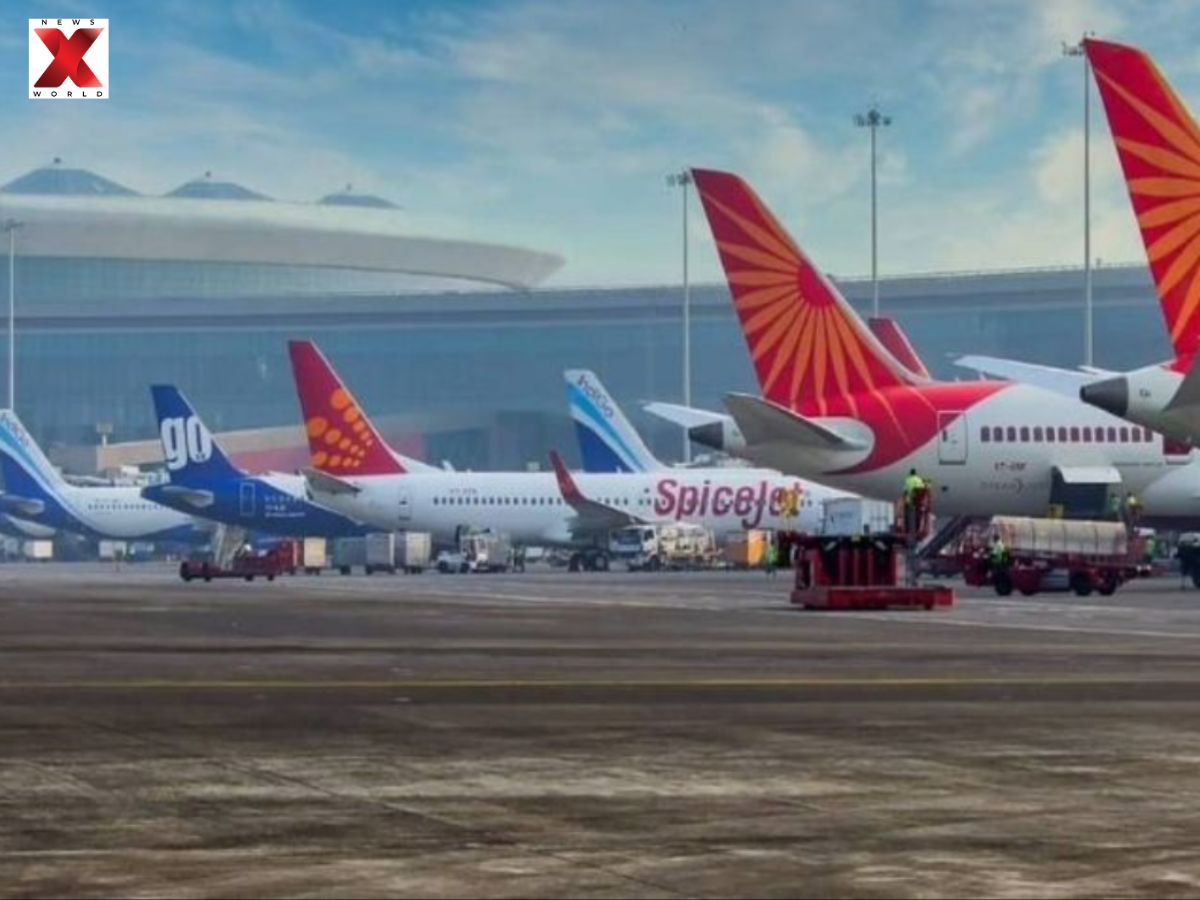
Airlines will sell you that “cheap” seat from point A to B with glee, but that ticket is really just a boarding pass into the money pit. And once you’ve pressed “book now”-want a seat? That’s optional. Want a bag? That’s optional. Want food? That’s optional. Want Wi-Fi? Yep, that’s optional. Pretty soon, even breathing near an aisle seat might feel like it comes at an extra cost. In an industry known for some of the world’s thinnest profit margins, airlines have quietly turned flying into a checkout page on steroids. And the irony? That little base fare is just the tip of the iceberg, because the real money keeps flowing long after you think you’re done paying.
The Three Hidden Profit Engines Powering Airlines Beyond Ticket Sales
Loyalty Programs: “The Invisible Bank” in the Sky
Frequent flyer miles are basically the airline equivalent of pirating the credit card industry. United, Delta, and American have been quietly selling miles to banks for billions, which then “gift” them to you in the form of reward points. You swipe, they earn.
And here’s the shocker: these loyalty programs are so powerful that they can be used as collateral for billion-dollar loans. In some cases, they generate 30–40% of total airline revenue. So when you think you’re buying a dream upgrade with your “free” miles, you’re actually paying the airline to live it.
The Ticket Trap: “Welcome to the Unbundled Flight”
That cheap flight you booked as a starter pack? So is the airline’s “pay for everything” strategy. The base fare is just the admission fee to a menu where you can pay for baggage, better seats, WiFi, food, priority boarding, and more. All of this contributes to the $145 billion global ancillary economy.
In short: you didn’t buy a flight-you bought admission to start paying.
The Cargo: Money Under Your Seat
In addition to fighting with fellow passengers over legroom, airlines are making money on the floor below. The cargo hold carries a host of high-value items, ranging from electronics and medicines to fresh flowers. On long-haul flights, it can add $10,000+ in revenue per journey and turn a loss-making flight into a profitable one.
So while you’re worrying about the cost of your snack, the real cash may be sitting under your feet in a shipping container.And here’s the shocker: these loyalty programs are so powerful that they can be used as collateral for billion-dollar loans. In some cases, they generate 30–40% of total airline revenue. So when you think you’re buying a dream upgrade with your “free” miles, you’re actually paying the airline to live it.
How Airlines Turn One Seat Into a Dozen Price Tags
Airlines are masters of converting a simple seat into a money-making chess game. The same seat can carry ten different price tags, thanks to so-called “yield management” and your timing, urgency, and payment method. That’s why business-class passengers end up subsidizing the rest of the plane. They’re small in number, but can generate up to 70% of total profits. For economy-class passengers, it’s a game of timing: book early and feel smug; book late and pay for someone else’s champagne. Then comes the add-on economy. Baggage, seat selection, Wi-Fi, refreshments, upgrades, lounge access-it’s all broken apart and sold like a menu you never actually ordered. Add it up, and the “cheap fare” starts looking more like an entry fee.
For low-cost carriers, it’s even simpler: the add-ons aren’t extra. They are the business.
The Ancillary Breakdown: Where the Money Comes From
Across the global industry, ancillary revenue is distributed roughly as follows:
- Baggage fees (28%) – checked bags, oversized luggage
- Loyalty programs (22%) – miles sold to banks
- Onboard retail (19%) – food, beverages, duty-free
- Digital services (16%) – Wi-Fi, pre-booked extras
- Other add-ons (15%) – seat selection, lounge access, priority services
(This article has inputs from reports)
Aishwarya is a journalism graduate with over three years of experience thriving in the buzzing corporate media world. She’s got a knack for decoding business news, tracking the twists and turns of the stock market, covering the masala of the entertainment world, and sometimes her stories come with just the right sprinkle of political commentary. She has worked with several organizations, interned at ZEE and gained professional skills at TV9 and News24, And now is learning and writing at NewsX, she’s no stranger to the newsroom hustle. Her storytelling style is fast-paced, creative, and perfectly tailored to connect with both the platform and its audience. Moto: Approaching every story from the reader’s point of view, backing up her insights with solid facts.
Always bold with her opinions, she also never misses the chance to weave in expert voices, keeping things balanced and insightful. In short, Aishwarya brings a fresh, sharp, and fact-driven voice to every story she touches.





