
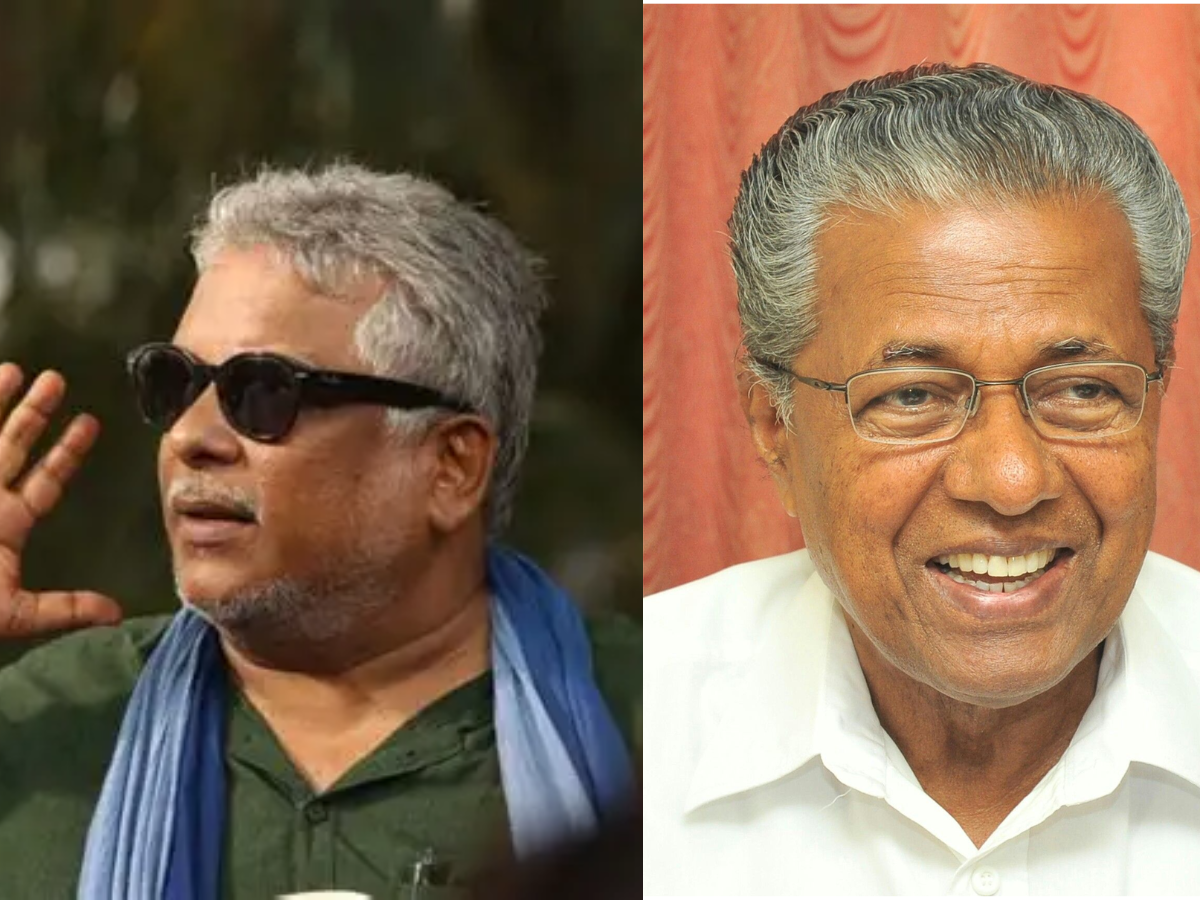

The announcement of the National Film Awards triggered instant controversy within Kerala, as director Sudipto Sen’s film The Kerala Story received two of the most sought-after awards for Best Director and Best Cinematography. A film that had run into stiff opposition and legal battles when it released was now once again in the middle of a political maelstrom.
Kerala Chief Minister Pinarayi Vijayan was quick with his denunciation, jumping onto social media to decry the ruling as a “grave insult” to the state and as one that propagated misinformation and communal hatred. This biting censure by the state’s chief executive did not fall on deaf ears, with Sudipto Sen sending a firm and unambiguous message to the Chief Minister: “Watch the film first.”
The Director’s Position and Political Sarcasm
Sudipto Sen’s reply was more than a casual response but a calculated point-by-point refutation. He asked if the Chief Minister had indeed watched the movie prior to judgment, claiming that watching it would have rendered comments superfluous. The director also brought in a political irony layer by invoking a previous statement made by a senior Communist leader, who had previously shown concern regarding the same issues of radicalization being tackled by the film. Sen pointed out that at the time, Vijayan himself had also backed the senior leader’s position, thus accentuating the contrast between his earlier and current positions.
Sen’s message reinforced the faith that the film is the result of years of careful research and not a product of political propaganda. He was firm in his belief during every scene and in every dialogue about the long two-month evaluation the film had gone through at the hands of the Censor Board, which finally cleared it without cuts. For him, these awards justify his research and creative process, in the face of politically motivated criticism, as he claims.
The Debate: Politics, Art, and National Recognition
The controversy about The Kerala Story winning the National Award has thrown open discussions on age-old issues of the convergence of art and politics in India. Defenders of the film say awards are for merit of films and for the courage to confront a challenging and sensitive issue. They see the award as endorsing the filmmakers’ intentions to put forth a social cause that they view as genuine and urgent. On the other hand, the Chief Minister and the party that supports him regard the award as, in effect, endorsing a narrative they view as divisive and damaging to Kerala as a state representative of secular harmony.
This sharp division offers a glimpse of how a film’s success may be affected not just by its artistic merit but also by the political and ideological lenses through which one reads it. The ability of a movie to be a box office hit as well as a National Award winner and yet be criticized by the political leadership of a state, shows how polarized public opinion in the nation is now.
Also Read: Ashutosh Gowariker Gets Mistaken For Sanjay Leela Bhansali, This Is How The Director Reacted
A recent media graduate, Bhumi Vashisht is currently making a significant contribution as a committed content writer. She brings new ideas to the media sector and is an expert at creating strategic content and captivating tales, having working in the field from past four months.




