

Trump-Zelenskyy Meeting Latest Update: The Crimean Peninsula, a diamond-shaped stretch of land protruding into the Black Sea, has become one of the most contested pieces of territory in recent history. Russian takeover of Crimea from Ukraine in 2014 sent shockwaves around the globe, and by extension, set the stage for the country’s full-scale invasion of Ukraine in 2022.
How Did Russia Take Crimea?
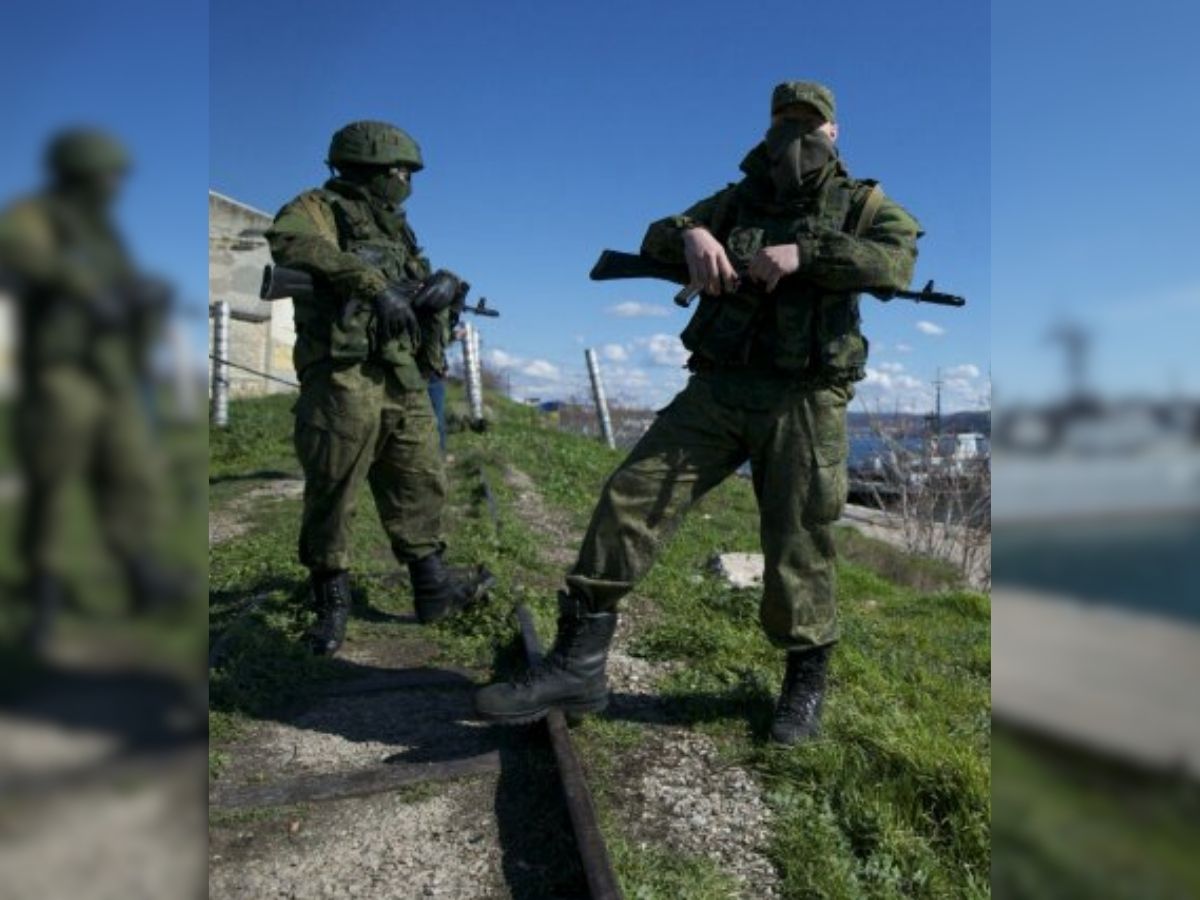
During 2013-2014, Ukraine saw a massive uprising that eventually led to the ouster of its pro-Moscow president Viktor Yanukovych. Seizing the opportunity that had arisen amid the chaos, Russian President Vladimir Putin deployed armed troops without insignia to seize Crimea, according to a recent report published by The Associated Press.
Following this, the Kremlin even organised a referendum in Crimea to join Russia — a move that was hugely criticised as “illegal” by Kyiv as well as the West. On 18 March 2014, Russia formally annexed Crimea, an act recognised by very few countries, including Moscow’s key ally North Korea and Sudan.
Putin’s Ratings Record Huge Jump After Russia Ceases ‘Sacred Place’
The takeover, reports suggest, in turn led to a surge of patriotism inside Russia. Putin’s approval ratings jumped from 65% in January 2014 to 86% by June, The Associated Press reported, citing estimates from the Levada Center. The Russian leader called Crimea a “sacred place” as authorities cracked down on Crimean Tatars, a group that had strongly opposed the annexation move.
What Happened After Crimea Was Annexed?
The Russian move ignited a violent conflict in eastern Ukraine as pro-Russian separatists calshed with Ukrainian forces in often violent face-offs. Russia is believed to have supported the rebel armed groups despite denials, with reported evidence — a Dutch court ruling — suggesting that Russia-supplied weapons were used to down a Malaysian passenger plane, killing 298 passengers in 2014.
Meanwhile, some within Russian circles have argued that Putin missed an opportunity to cease full control of Ukraine when its government was supposedly weak. Fighting persisted on and off until Russia launched a full-scale invasion in February 2022.
Why Is Crimean Peninsula Important?
The strategic value of the peninsula lies in its position on the Black Sea as it controls naval access and trade routes, including key grain exports. Archival reports suggest Crimea has been fought over for centuries, with subsequent changes in empires.
In 1954, Soviet leader Nikita Khrushchev transferred Crimea from Russia to Ukraine — both part of the USSR at the time. After the Soviet collapse in 1991, Crimea became Ukrainian territory but still hosted Russia’s Black Sea Fleet in Sevastopol, per AP.
For Ukraine, Crimea is part of its national identity. President Volodymyr Zelenskyy has vowed that Russia “won’t be able to steal” the peninsula permanently.
Crimea’s Role in the War
Before the 2022 invasion, Moscow had moved troops and weapons into Crimea, using it as a launchpad to carry out attacks on southern Ukraine. The Kremlin aims to create a land corridor from Russia to Crimea, securing control over parts of eastern and southern Ukraine, including Donetsk, Luhansk, Zaporizhzhia and Kherson.
Ukraine has responded with drone strikes and bombings targetting Crimea’s military infrastructure, including the Kerch Bridge, which connects Crimea to Russia. The bridge was reportedly hit multiple times between 2022 and 2025.
Crimea in Peace Talks
Last year, Putin had demanded that Ukraine recognise Crimea as Russian territory in any potential peace agreement. Other demands included Ukraine giving up its NATO ambitions and limiting its military capabilities.
Kyiv, for its part, has consistently rejected ceding any land. Given that Russia now controls about 20% of Ukraine’s territory, including Crimea, so any peace agreement that freezes borders would largely favour Moscow, analysts say.
Observers believe that this is precisely why the fate of Crimea remains a core sticking point in efforts to end the war.
ALSO READ: Trump-Zelenskyy Meet: What Are European Leaders Pushing For? Here’s What We Know & What to Expect




