
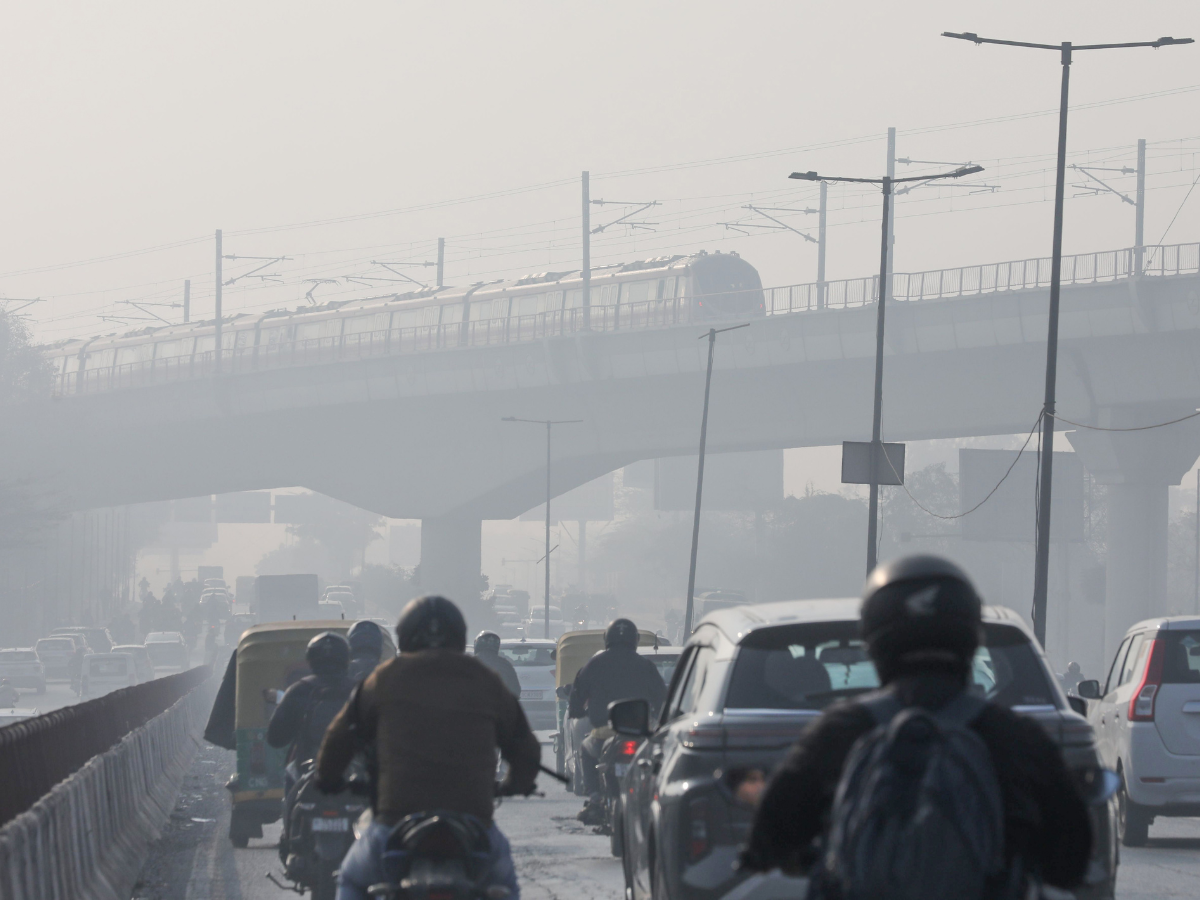

The National Capital Region has experienced relief because the Commission for Air Quality Management (CAQM) has canceled all parts of the Graded Response Action Plan (GRAP) as of March 17, 2026.
The Air Quality Index (AQI) in Delhi improved after the region experienced better weather conditions, which brought about local rain and stronger wind patterns, reaching a reading of 119 at 4:00 PM on Monday.
The system now uses moderate category status, which replaces the earlier Stage-1 restrictions that had been enforced. The India Meteorological Department (IMD) forecasts a week of clear skies and rising temperatures because the winter chill will end and temperatures will start to rise.
IMD Forecast and Regional Variations
The IMD forecast shows that present climate patterns across the country show the northern plains of India moving into their early summer period while Himalayan areas experience only minimal snow.
The Delhi-NCR area experienced its lowest temperature of 17.4°C, which exceeded the normal seasonal temperature by 2.3 degrees.
The warming pattern has been validated through data from Lodhi Road and Ayanagar stations, which showed temperatures that remained above typical values. The capital currently experiences decreased pollution levels while other states prepare for hot weather conditions that will occur before the monsoon season, along with occasional rain showers.
The rain from Sunday’s atmospheric clearing, which produced 0.8 mm of precipitation in Ayanagar and other locations, has served as the main force for removing suspended particulate matter from the atmosphere, which keeps “moderate” air quality stable throughout the upcoming period.
Air Quality and GRAP Revocation
The city achieved its most significant environmental achievement for this quarter through its complete elimination of GRAP measures. The implementation of stage-1 restrictions had created obstacles for construction work and specific vehicle operations.
The existing statutory guidelines determine that these procedures should not be followed because the AQI has decreased to 119. The city came within one day of achieving its first “satisfactory” (below 100) day of the year on Monday evening, but overall trends continue to show improvement.
The CAQM states that existing weather conditions stop pollutants from building up in the environment. Residents can expect the AQI to fluctuate within the 101–200 range, provided wind patterns remain consistent. The industrial and developmental activities that had been restricted will now fully recover because seasonal smog conditions have changed.
A recent media graduate, Bhumi Vashisht is currently making a significant contribution as a committed content writer. She brings new ideas to the media sector and is an expert at creating strategic content and captivating tales, having working in the field from past four months.




