
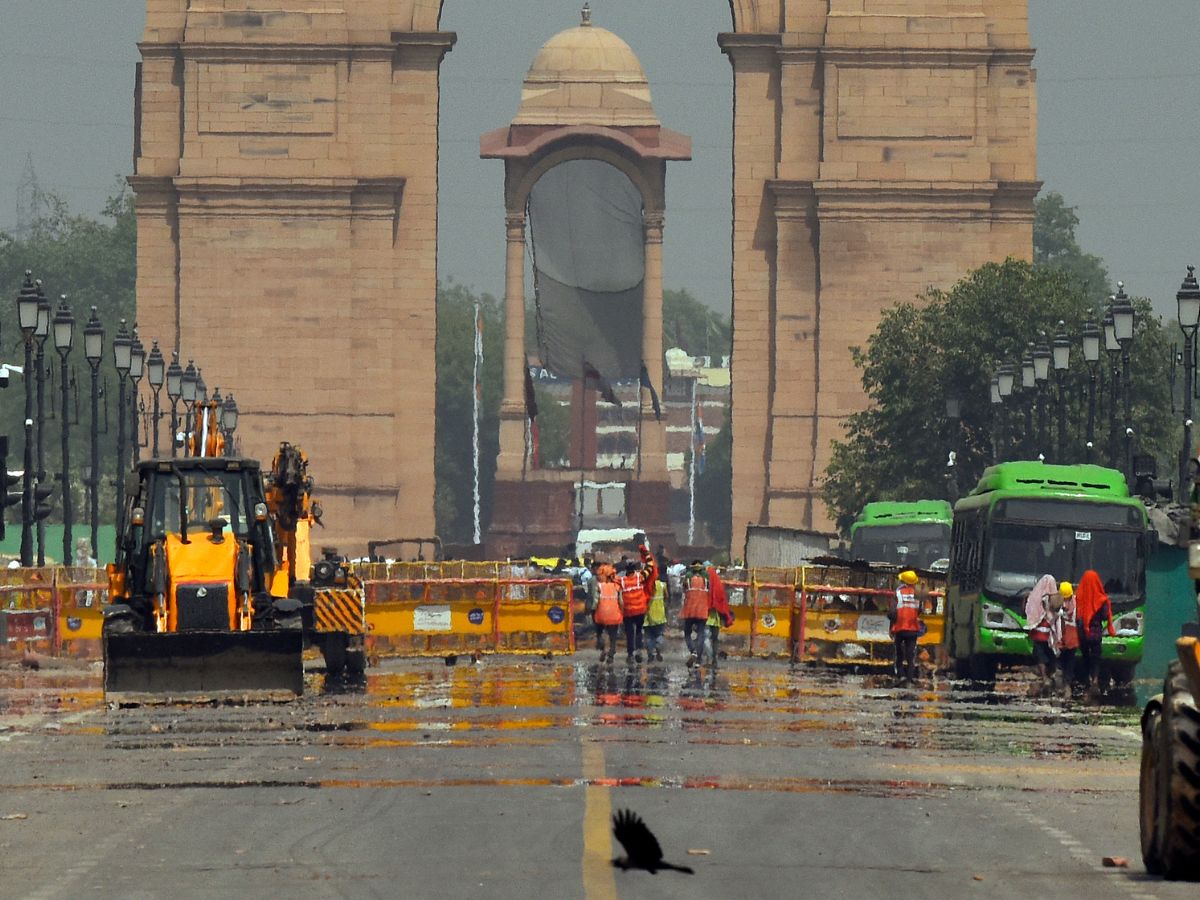

Many people are noticing the soaring temperatures in India as the early onset of summer is upon them, and weather experts have confirmed that this rapid increase in temperature will affect most of India. After experiencing slightly cooler temperatures at the beginning of April, India has very quickly transitioned from those cooler temperatures to much warmer temperatures throughout the country. This sharp rise in temperature is due to the weakening of the Western Disturbances, which had provided cooler air and precipitation through north India.
The Western Disturbances have all but diminished, allowing clear skies to prevail, which in turn leads to an increase in the amount of sunlight hitting the land. With less cloud cover, the temperatures throughout India are rising at a much greater rate than would normally occur. Some of the greatest increases are occurring in parts of central India and peninsular India.
Temperature surge begins across India
The India Meteorological Department has reported that almost 95% of India will be experiencing clear skies in the coming days, which can lead to even more rising temperatures. Many areas in central and southern India will experience daytime maximums of 40-42 degrees Celsius.
Currently, the situation is continuously escalating with temperatures across some areas expected to potentially increase dramatically up to between 39 degree centigrade (39°C) – 45°C. The States of Maharashtra, Telangana, Andhra Pradesh, Madhya Pradesh, Chhattisgarh, Odisha, Gujarat & Rajasthan have been identified as likely areas for this increase in temperature.
The latest weather update from Sunday shows light rain is likely today in parts of Kanyakumari and areas near the Western Ghats. You can expect more of the same through the week, with scattered showers forecasted for Kanyakumari, Tirunelveli, and the Western Ghats from April 13 to April 17.
Temperature in Delhi nearing 40 degrees
Temperatures throughout northern India are also rising steadily, especially in Delhi. Presently, daytime highs are averaging approximately 36 – 38°C; however, this still does not constitute a weather alert from IMD because a weather alert is defined and classified when temperatures reach or exceed a minimum of 40°C OR 10% above region’s annual maximum (as specified by IMD). Nevertheless, this is certainly an indicator that we are approaching the start of the summer heat; therefore; be alert for any future weather alerts issued.
On March 31s, IMD Advisories indicated that by April 15 OR 16 we should expect that Delhi will have exceeded the maximum temperature for 2023 this year, at which point the capital will have officially transitioned into actual summer temperatures and associated weather conditions within just weeks.
Temperature rise linked to clear skies
According to meteorologists, one of the main reasons temperatures are an anomaly to the norm is due to the lack of cloud coverage. The absence of cloud cover throughout India means that the sun is directly heating up land all day long. The result is that these surfaces are being continuously heated, creating higher temperatures in various areas at different times of day.
Dry air means heat will build sooner. Dry air means no moisture or rainy systems to create cooling, so heat is building every hour of every day and not cooling down at night either. The experts say this will continue and create even higher temperatures in the immediate future.
Temperature expected to rise further this week
Over the next 3 to 5 days, one can expect further increases in temperature from 3 to 6 degrees Celsius across the Northwest, Central, and Eastern regions of India. This development will create a greater extent of heat being distributed across the Indian population and impact the everyday life of its citizens.
The IMD issued a warning that we are at the beginning of summer’s warm-up period, therefore, temperatures will continue to increase into April. With primarily clear skies and little to no weather disturbances developing in the near term, India has begun its sustained and aggressive warming trend to all sectors of the economy.
Khalid Qasid is a media enthusiast with a strong interest in documentary filmmaking. He holds a Master’s degree in Convergent Journalism from AJK MCRC. He has also written extensively on esports at Sportsdunia. Currently, he covers world and general news at NewsX Digital.




