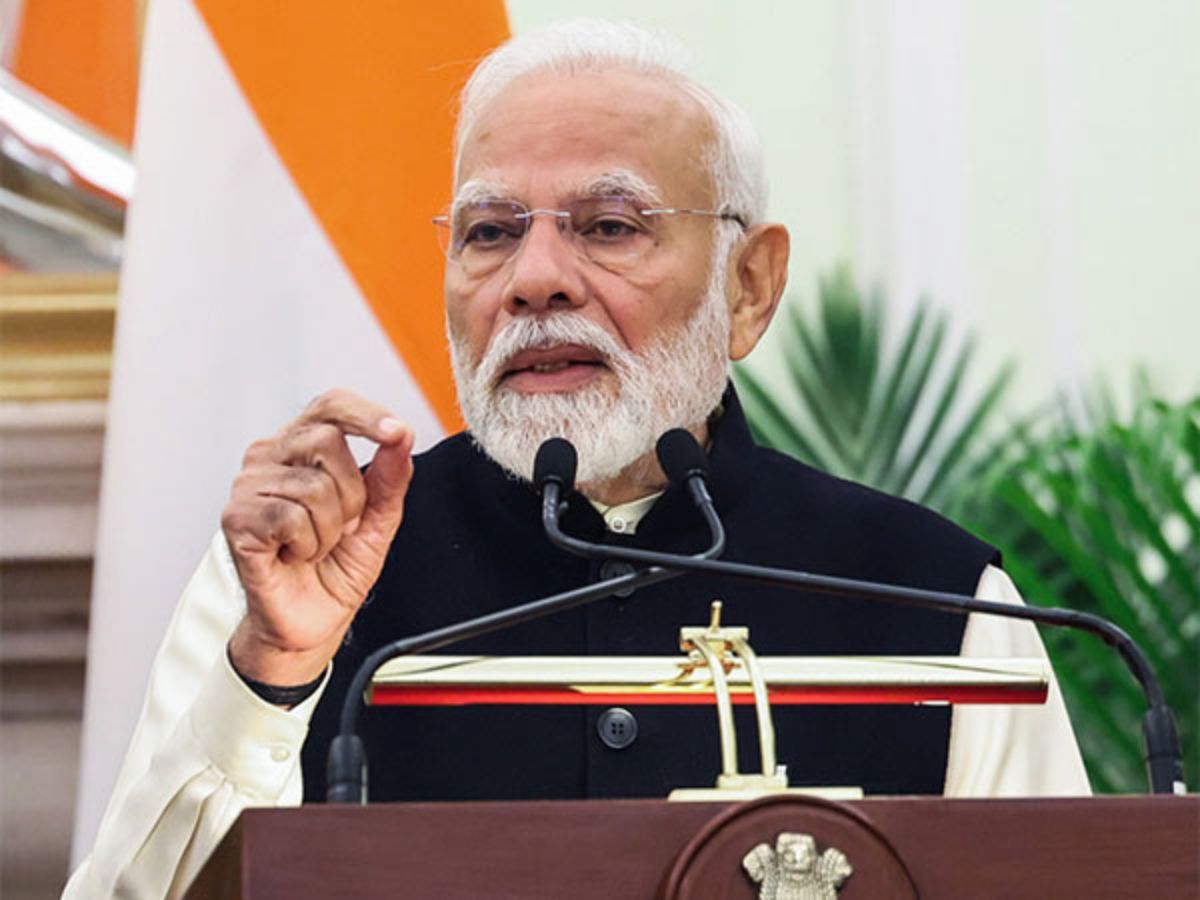

Prime Minister Narendra Modi on November 27 announced one of India’s biggest energy-sector reforms in decades, declaring that the country’s nuclear power sector will soon allow private companies to invest and operate. Speaking at the inauguration of Skyroot Aerospace’s new Infinity Campus in Hyderabad and unveiling India’s first privately built satellite-launch vehicle, Vikram-I, Modi called the move a “historic shift” for the nation.
“For the first time, India is opening the nuclear sector to private players,” Modi said. “This will strengthen opportunities in small modular reactors, advanced reactors, and nuclear innovations.”
The reform marks a major change from the Atomic Energy Act of 1962, which kept nuclear power entirely under government control through the Department of Atomic Energy (DAE).
PM Modi compared the change to reforms in India’s space sector, which flourished after private companies were allowed to participate. “Just as space innovation was opened to the private sector, India is now moving towards opening the nuclear sector as well,” he added.
The government plans to focus on Bharat Small Reactors, advanced modular reactors, and other next-generation nuclear technologies. These systems are crucial for India’s clean energy goals, helping provide stable, round-the-clock power to meet rising industrial demand.
Private investment is expected to accelerate the development and deployment of small modular reactors (SMRs), which are globally recognized as the future of scalable and flexible nuclear energy.
“This reform will give new strength to India’s energy security and technological leadership,” PM Modi said.
Experts say the reform is a game-changer, breaking a six-decade government monopoly over nuclear power. It encourages private investment in high-tech clean energy systems, boosts innovation in SMRs and advanced reactors, strengthens energy security, and enhances India’s position in the global nuclear and space technology landscape.
Shivam Verma is a journalist with over three years of experience in digital newsrooms. He currently works at NewsX, having previously worked for Firstpost and DNA India. A postgraduate diploma holder in Integrated Journalism from the Asian College of Journalism, Chennai, Shivam focuses on international affairs, diplomacy, defence, and politics. Beyond the newsroom, he is passionate about football—both playing and watching—and enjoys travelling to explore new places and cuisines.