
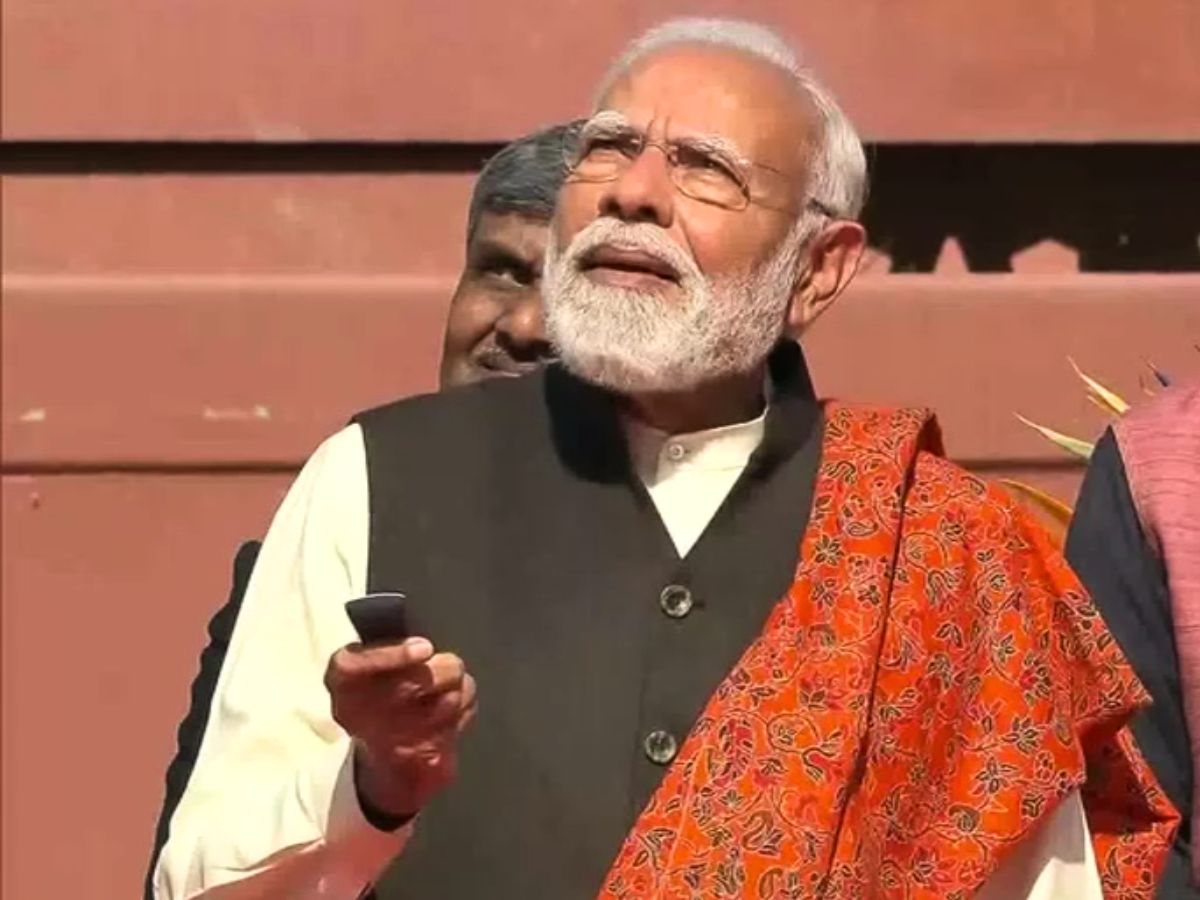

Prime Minister Narendra Modi on Friday unveiled the new name for the complex housing the Prime Minister’s Office (PMO), National Security Council Secretariat (NSCS), and Cabinet Secretariat, now officially called Seva Teerth.
The move is part of a broader effort by the Modi government since 2014 to shift away from colonial-era symbols and create a citizen-centric governance ecosystem.
From South Block to Seva Teerth: A Symbolic Shift
Since 2014, the government has steadily renamed key administrative structures to reflect service, duty, and public welfare. Major changes include:
-
South Block → Seva Teerth
-
Central Secretariat → Kartavya Bhavan
-
Rajpath → Kartavya Path
-
Race Course Road → Lok Kalyan Marg
-
Several Raj Bhavans and Raj Niwas now designated as Lok Bhavan or Lok Niwas
The new names show the government’s aim to create a modern, efficient, and citizen-focused governance system, moving away from colonial nomenclature.
Modern Infrastructure for Efficient Governance
For decades, ministries and government offices operated from fragmented, ageing infrastructure in Central Vista, leading to inefficiencies, high maintenance costs, and coordination challenges. Seva Teerth now consolidates the PMO, NSCS, and Cabinet Secretariat under one futuristic, digitally integrated complex.
Delhi: PM Narendra Modi unveils the name of complex housing PMO, NSCS and Cabinet Secretariat- ‘Seva Teerth’
(Pics Source: DD) pic.twitter.com/eEpEGnO5jG
— ANI (@ANI) February 13, 2026
Meanwhile, Kartavya Bhavan-1 & 2 accommodate key ministries, including Finance, Defence, Health, Education, Culture, Agriculture, Tribal Affairs, Law & Justice, and more. Both complexes feature public interface zones, centralized reception areas, and smart workspaces designed for efficiency, collaboration, and enhanced citizen engagement.
Sustainable Design and Safety at Seva Teerth
Designed to 4-Star GRIHA standards, the complexes incorporate renewable energy, water conservation, waste management, and high-performance building materials. Smart security frameworks, surveillance systems, and emergency response infrastructure ensure the safety of both officials and visitors while promoting a sustainable and modern workplace.
PM Modi’s First Decisions Reflect “Spirit of Seva”
In its first set of actions from Seva Teerth, the Prime Minister signed key decisions targeting all sections of society from farmers to women, youth, and vulnerable citizens. Notable initiatives include:
-
PM RAHAT Scheme: Accident victims to receive cashless treatment up to ₹1.5 lakh, ensuring immediate life-saving support.
-
Doubling Lakhpati Didis Target: From 3 crore to 6 crore by March 2029, empowering women entrepreneurs across India.
-
Agriculture Infrastructure Fund: Outlay doubled from ₹1 lakh crore to ₹2 lakh crore, boosting the entire agriculture value chain.
-
Startup India Fund of Funds 2.0: Corpus of ₹10,000 crore to support innovation, deep tech, advanced manufacturing, and breakthrough technologies.
These decisions reinforce the guiding principle behind Seva Teerth- governance and policymaking that touch every section of society.
What ‘Seva Teerth’ Signifies
The name Seva Teerth, meaning “Abode of Service,” reflects PM Modi’s vision of citizen-centric governance. By shifting the PMO to a modern, centralized, and accessible hub, the government aims to make policymaking more inclusive, transparent, and responsive to public needs.
(With ANI Inputs)
Sofia Babu Chacko is a journalist with over five years of experience covering Indian politics, crime, human rights, gender issues, and stories about marginalized communities. She believes that every voice matters, and journalism has a vital role to play in amplifying those voices. Sofia is committed to creating impact and shedding light on stories that truly matter. Beyond her work in the newsroom, she is also a music enthusiast who enjoys singing.




