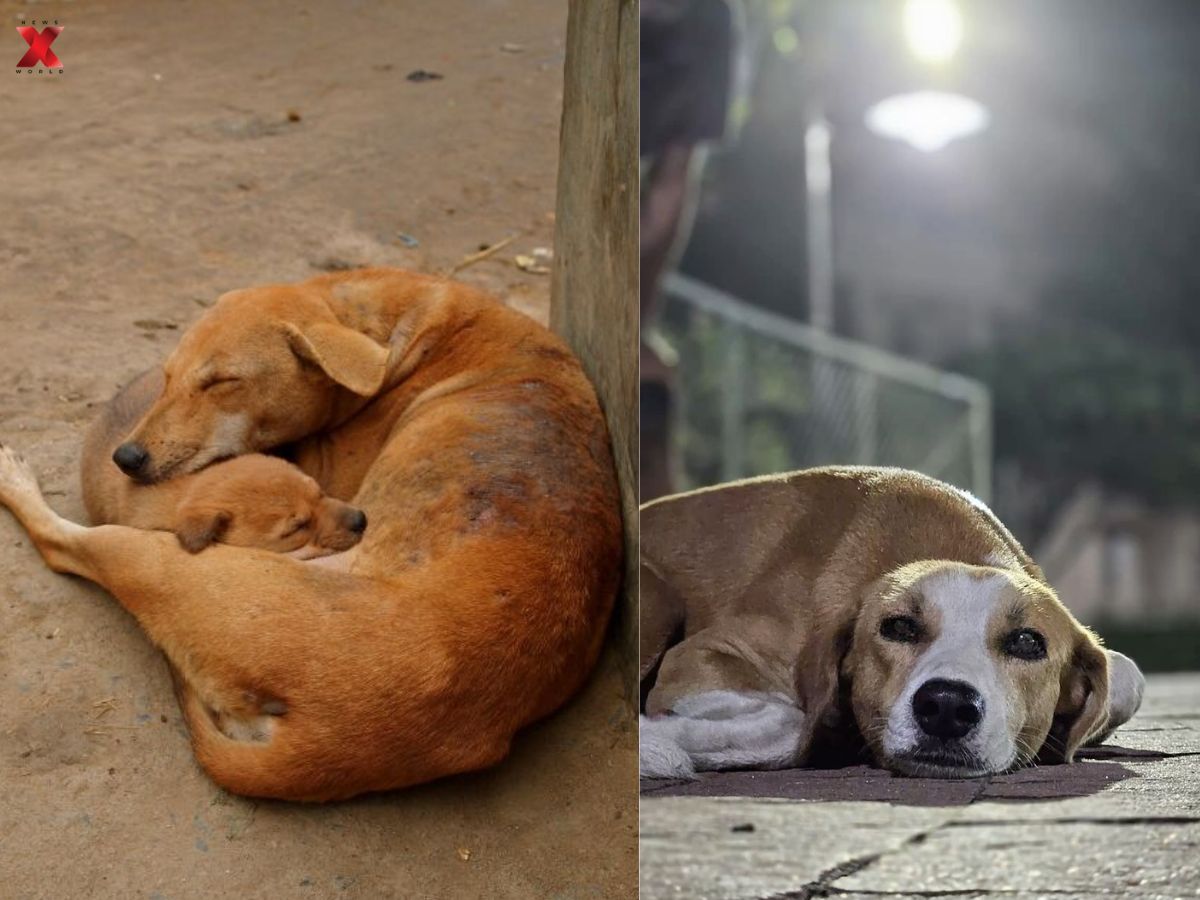

The Supreme Court of India has indicated a major change in the perception of the state and citizens regarding the escalating stray dog crisis. A three-judge bench consisting of Justices Vikram Nath, Sandeep Mehta, and NV Anjaria showed grave concern over the “lifelong” trauma caused by stray dog bites on Tuesday.
The court hinted that it might soon impose ‘heavy compensation’ on the respective state governments for their inability to control the dog menace and went to the extent of saying that feeding stray dogs may put the feeder in a position of legal responsibility regarding the dog’s actions. This move points to the increasing concern over the unsafe conditions in public streets and highways.
Stray Dogs State Liability
The position taken by the judiciary results in a direct financial obligation for the government in the case of every stray animal that injures or kills a person. The court’s ruling makes it clear that states are under pressure to compel local authorities to do more than just talk and put into practice ‘the necessary arrangements.’
This entails the full implementation of the November order, which prohibits the presence of stray packs in places such as schools, hospitals, and bus depots, where they are considered a public nuisance.
The reasoning of the court is quite straightforward: the state is liable to pay for the harm, both physical and psychological, that arises from its inability to provide safe areas for the public if it does not take the necessary actions.
Stray Dogs Feeder Responsibility
In a landmark legal provocation, the judges raised the question of the immunity of those people that feed stray dogs but do not take responsibility for their actions.
To put it another way, the court implied that if the dog is being fed by some certain person or organization, then the organization will have ‘liability to dog feeders’ when an attack happens.
From the perspective of the proponents of animal empathy, they argue that kindness is the only thing that can prevent the escalation of a conflict, but the court, on the other hand, said that it is impossible to tell what a dog’s ‘mood’ is like.
The court is thus asking the feeders to take these dogs into their own cozy shelters instead of letting them “roam around” so as to find a common ground between animal welfare and public safety.
A recent media graduate, Bhumi Vashisht is currently making a significant contribution as a committed content writer. She brings new ideas to the media sector and is an expert at creating strategic content and captivating tales, having working in the field from past four months.