
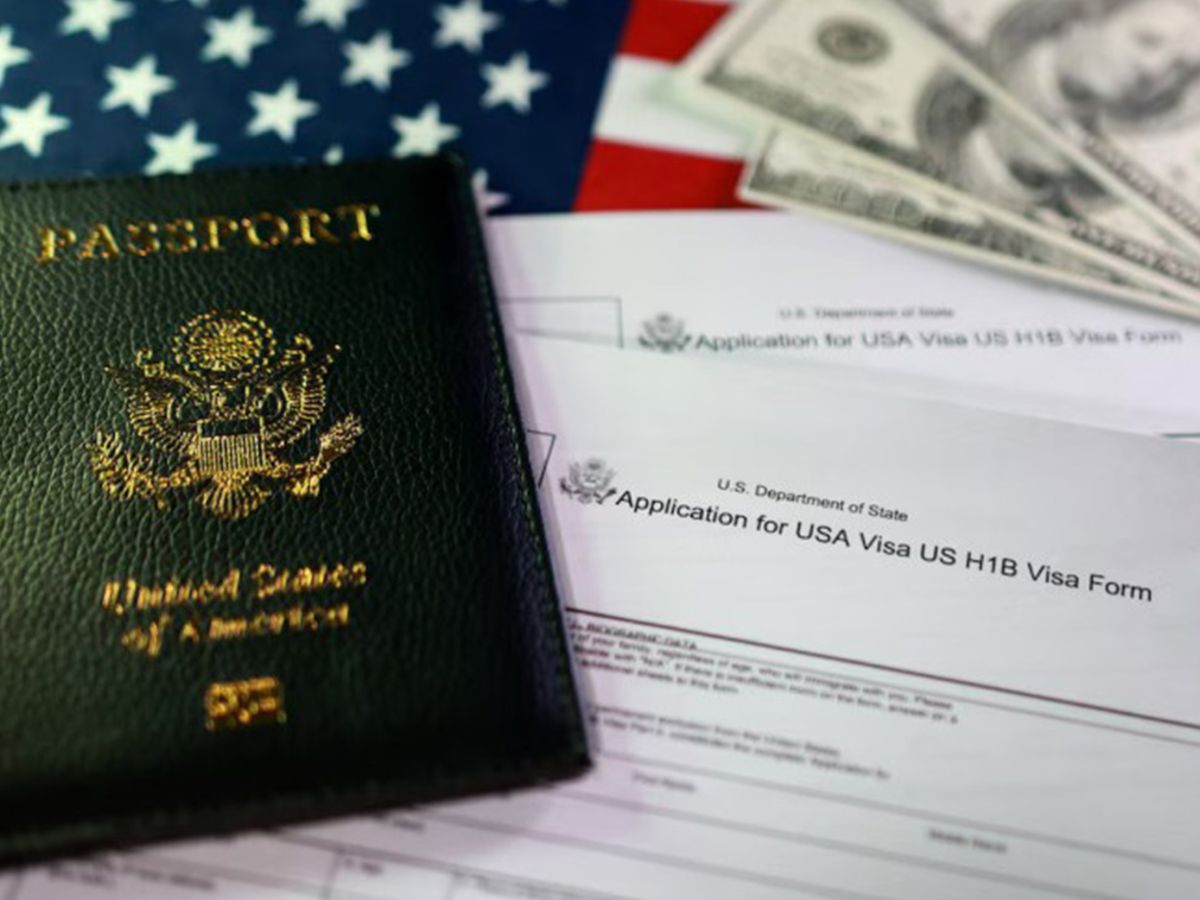

The US Department of State has enacted a new regulation which obliges all persons applying for the H-1B visa (workers) and the H-4 visa (dependents) programs, a great majority of whom are Indian citizens, to make their social media accounts ‘public’ in order to undergo the visa vetting process. The directive that will be in effect starting December 15, 2025, will allow the consular officers to examine the content that is visible to the public on various social media platforms like X, Instagram, and LinkedIn. The considerable increase in the review of the online presence of the visa applicants is based on the previous rules concerning student and exchange visitor visas, and the main objective is to enhance the national security screening process.
Worry Among Indians Nationwide
The revelation has caused a lot of stress and uncertainty among the Indian immigrant communities. Not only that, but also the Indian nationals account for more than 70% of all H-1B visas issuance and nearly 90% of H-4 EAD holders, who largely rely on their stable legal status and employment to live in the US. Immigration attorneys spell out that even content that is harmless or trivial in nature could bring about increased scrutiny or be a reason for denial of visa through the whole range from political opinions to old comments and harmless posts. The tech companies that have big Indian workforce are already asking their employees to check their online presence, remove the posts that might be sensitive, or not to share political memes, as a precaution.
Visa Interviews Unexpectedly Cancelled?
The regulation has brought about instantaneous logistical consequences, visa interviews in several Indian consulates such as Hyderabad and Chennai have been unexpectedly cancelled, and a great number of applicants have had their slots of December 2025 pushed to March 2026. The attendant delay is set to interfere with the employment start dates, dislocate relocation plans, and keep families in uncertainty. Furthermore, the new rules have added another degree of unpredictability for around 200,000 H-4 spouses, whose livelihoods rely on the renewal of work permits, because the new policy has made it more difficult to secure timely visa renewals.




