
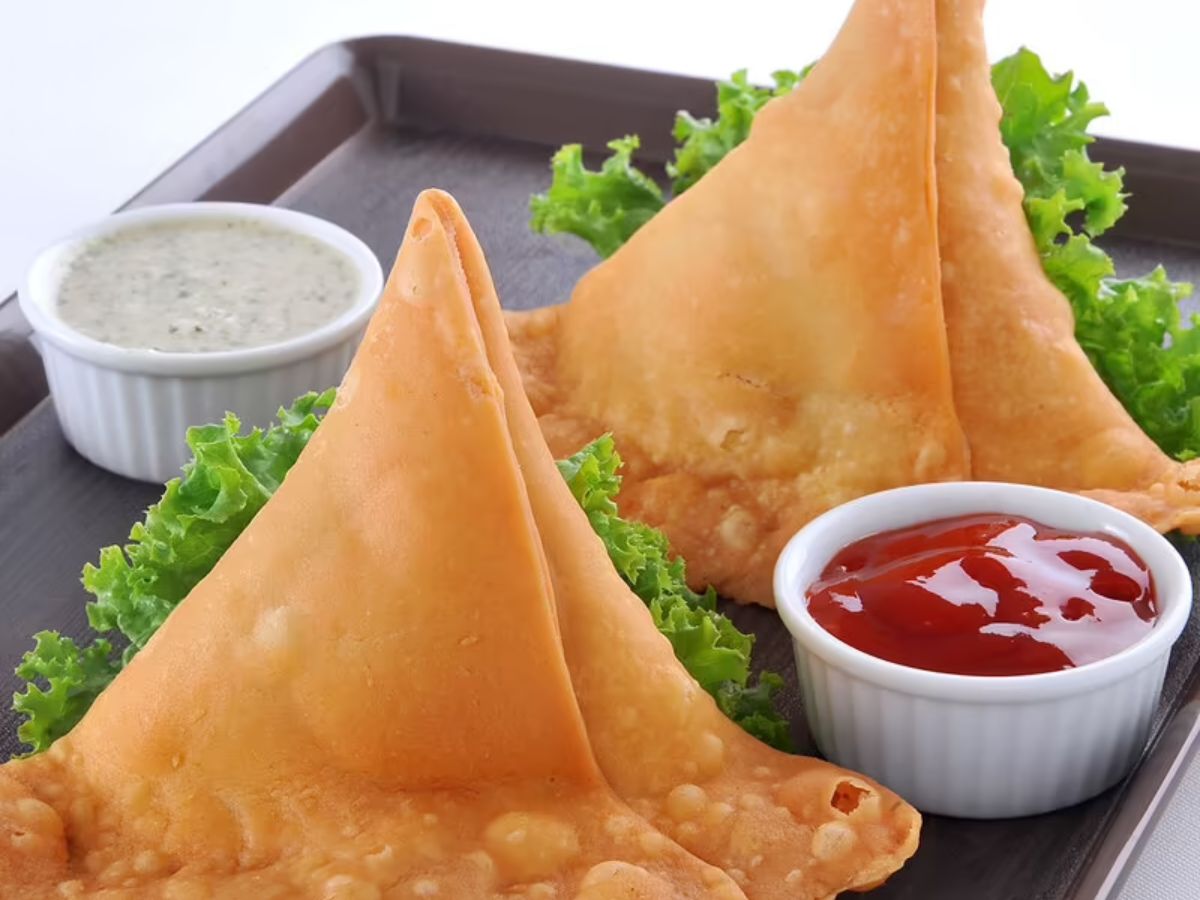

The samosa is a beloved snack that has captured the hearts of food enthusiasts worldwide. This crispy, golden pastry is filled with a Savory blend of spices, potatoes, and peas, making it a delightful treat for the senses. With its origins in the Middle East, the samosa has traveled across cultures and cuisines, becoming an integral part of South Asian cuisine.
The English Name Of Samosa
While some refer to it as a “fried or baked pastry with savory filling” or a “stuffed pastry”, the samosa’s unique identity has made its original name universally recognized. In English conversations worldwide, it’s often simple called a “samosa”, reflecting its global popularity and cultural significance.
A journey of flavors
From its Middle Eastern roots to its widespread popularity in India, Pakistan, and beyond, the samosa has become staple in international cuisine. Its crunchy texture and flavorful filling have won over taste buds in the UK, US, Canada, and many other countries. The word “samosa” has become synonymous with this delicious snack, transcending borders and languages.
Why samosa stands out
The samosa’s strong cultural connection and unique identity have made it retain its original name in English usage. Attempts to translate into generic terms like “Savory pastry” or “stuffed turnover” fall short of capturing its essence. Like pizza or sushi, the samosa has earned global recognition, making its name a household term that needs no translation.
The samosa’s journey from its Middle Eastern roots to global fame is a testament to its irresistible charm. With its crunchy texture and flavorful filling, it has become a staple in international cuisine, known and loved by its original name – samosa. This iconic snack has transcended borders and cultures, bringing people together with its savory goodness. Whether enjoyed as a street food or a gourmet treat, the samosa’s universal appeal lies in its perfect balance of spices, texture, and flavor. As a culinary ambassador of South Asian culture, the samosa continues to delight taste buds worldwide, leaving a lasting impression on all who savor it. Its popularity shows no signs of waning, solidifying its place in the global culinary landscape.




