

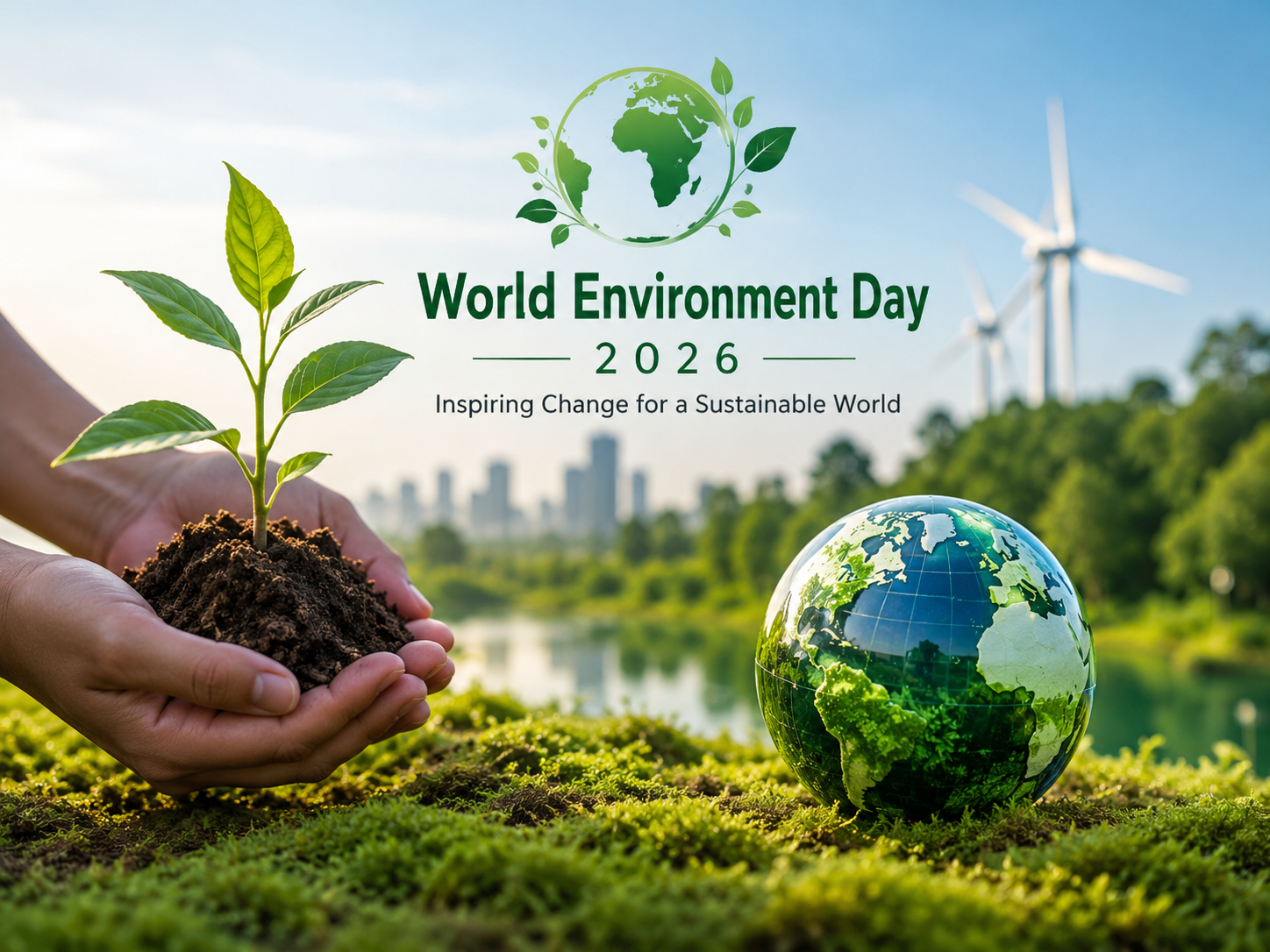
World Environment Day is one of the United Nations’ most important global observances dedicated to protecting the planet. Held every year on June 5, it brings together governments, organisations, communities, and individuals to take action for environmental protection and sustainability. In 2026, the day carries even greater urgency as the world faces accelerating climate change, biodiversity loss, and environmental degradation. It was established by the United Nations in 1972 following the Stockholm Conference on the Human Environment. It has been observed annually since 1973 and is led by the United Nations Environment Programme (UNEP). Today, it stands as the largest global platform for environmental awareness and action, celebrated in more than 150 countries worldwide.
Theme Of World Environment Day 2026
The official focus for World Environment Day 2026 is climate action and environmental responsibility.
The campaign highlights how the planet is sending clear warning signals, such as:
- Rising global temperatures
- Extreme weather events
- Melting glaciers
- Rising sea levels
It also emphasises how human actions can shape the response through renewable energy, sustainable development, and ecosystem restoration. The core message is simple: climate change is no longer a future risk, it is a present reality, and collective action is the only way forward.
How You Can Contribute To A Sustainable Future
Even small actions can create meaningful change. Here are practical ways to contribute:
1. Shift to a Low-Carbon Lifestyle
Reducing carbon emissions starts with everyday habits. Using less fuel, choosing cleaner energy sources, and avoiding unnecessary consumption can significantly lower your personal carbon footprint. Even small changes in daily routines can have a big impact over time.
2. Embrace Renewable Energy Solutions
Solar panels, wind energy, and other clean sources are becoming more accessible. Switching to renewable energy reduces dependence on fossil fuels and helps slow down global warming. Communities and households both play a role in this transition.
3. Build Smarter, Greener Cities
Sustainable urban planning focuses on green buildings, better public transport, and eco-friendly infrastructure. Cities that prioritise trees, clean air, and energy efficiency create healthier living environments for everyone.
4. Protect Biodiversity and Wildlife
Every species plays a role in maintaining ecological balance. Protecting forests, wetlands, and oceans helps preserve habitats and prevent extinction. Conservation efforts are essential for long-term environmental stability.
5. Reduce Waste Through Conscious Living
A sustainable world depends on reducing what we throw away. Choosing reusable products, avoiding over-packaging, and repairing instead of replacing items can greatly reduce waste generation.
6. Support Circular Economy Practices
Instead of the traditional “take, make, dispose” model, a circular economy focuses on reuse, recycling, and regeneration. Products are designed to last longer and return safely to the system after use.
7. Conserve Water as a Shared Resource
Water scarcity is becoming a serious global issue. Efficient irrigation, rainwater harvesting, and responsible household use are essential to ensure water availability for future generations.
8. Promote Sustainable Food Systems
Food production has a major environmental impact. Choosing local produce, reducing meat consumption, and supporting organic farming practices help lower emissions and protect soil health.
9. Encourage Environmental Education
Real change starts with awareness. Teaching environmental responsibility in schools and communities builds long-term habits. When people understand the impact of their actions, they are more likely to act responsibly.
10. Take Collective Climate Action
Individual efforts matter, but collective action creates a bigger impact. Governments, businesses, and citizens must work together to reduce emissions, protect ecosystems, and invest in sustainable technologies.
Sustainability begins with everyday choices.
ALSO READ: World Environment Day 2026: Best Ways To Protect Our Planet
Harshita is a journalist and digital content writer specializing in breaking news, current affairs, travel, education, and trending stories. She is focused on delivering accurate, timely, and engaging content with a strong emphasis on clarity and audience relevance.





