
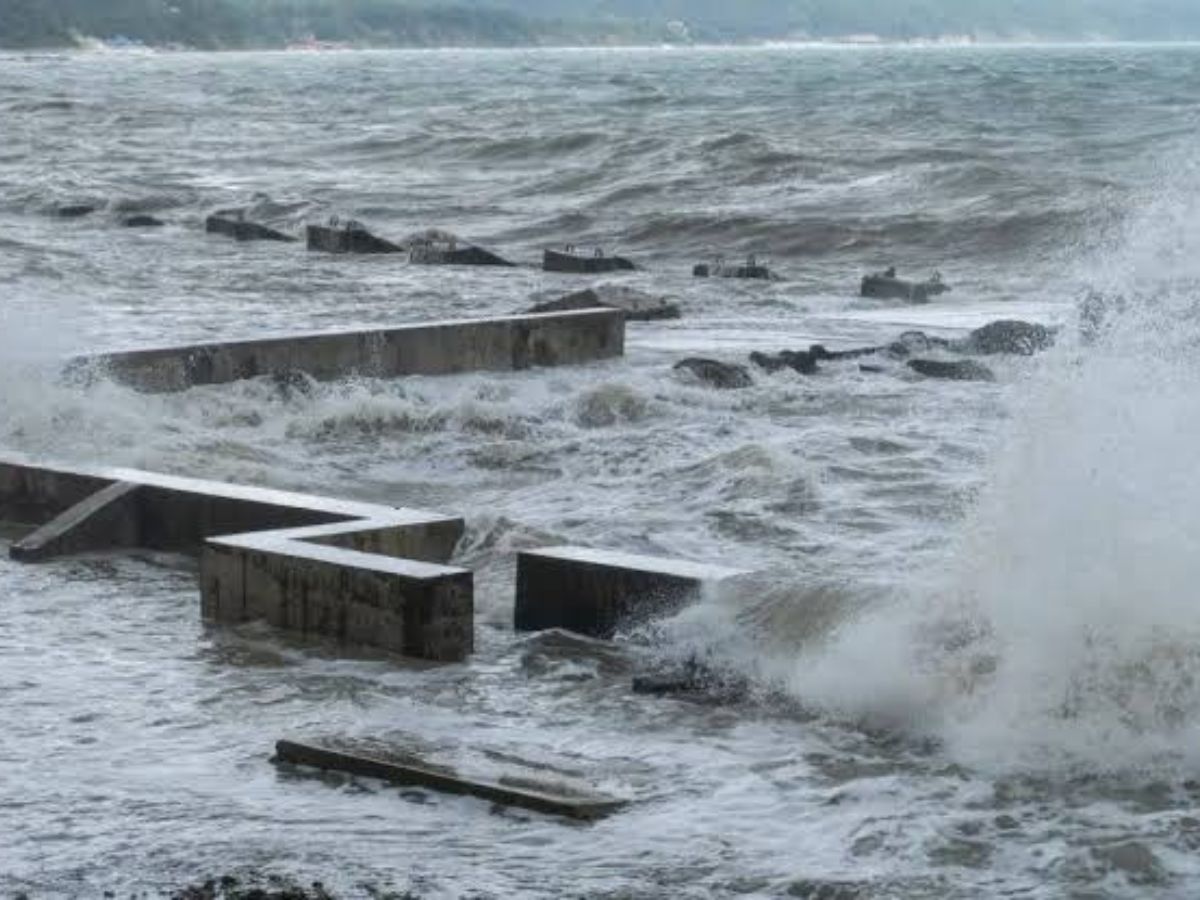

The 8.8-magnitude quake struck off Russia’s Kamchatka Peninsula, triggering tsunami warnings across the Pacific Ocean, prompting evacuations in several parts of the World, including Japan, the United States, Canada, Mexico, and Hawaii.
Amid the emergency, experts continue to stress the importance of being prepared for tsunamis.
What Is a Tsunami?
The word “tsunami” means “harbour wave” in Japanese. It refers to a series of large ocean waves caused mainly by undersea earthquakes, but also by volcanic eruptions, landslides, or meteorite impacts.
Signs of an Upcoming Tsunami:
-
Strong or long-lasting earthquake
-
Sudden rise or fall in ocean water
-
A loud roaring sound from the sea
-
Ocean water is pulling away quickly from the shore
How To Take Precautions Before a Tsunami
-
Know if you live in a tsunami risk zone
-
Learn and plan evacuation routes
-
Identify a safe location on high ground or inland
-
Prepare an emergency communication plan
-
Sign up for local alerts and warnings
-
Keep a disaster supply kit ready
-
Practice evacuation drills regularly
During a Tsunami Warning: Key Safety Measures
As advised by UNESCO (The United Nations Educational, Scientific and Cultural Organisation) and the Red Cross:
-
If there’s an earthquake: Drop, cover, and hold on
-
Once shaking stops, move to higher ground immediately
-
Don’t wait for official alerts if you observe natural warning signs
-
Stay away from beaches, rivers, and coastal areas
-
If in a boat, follow local guidance: head to deep water or inland
After a Tsunami: How to Stay Safe
-
Wait for official clearance before returning home
-
Avoid flooded areas, damaged roads, and unstable structures
-
Stay away from electrical equipment in wet conditions
-
Use text or social media to contact loved ones
-
Take photos of damage for insurance purposes
-
Avoid dirty or contaminated floodwater
What Not to Do During or After a Tsunami
-
Don’t wait at the shore to watch the waves
-
Don’t return until authorities give the “all clear”
-
Don’t assume the danger is over after the first wave
-
Never attempt to surf or swim during a tsunami
ALSO READ: Tsunami Reaches California Coast; NWS Warns of Continued Wave Activity




