
Censored Cinema: 10 Films, Documentaries That Were Banned In India
Cinema has been a medium of entertainment for a very long time, it is, however, not only restrained to being entertaining, but it also acts as a medium for story telling, social critique and a reflection of the culture that surrounds us. India, being a country filled with cinematic heritage, has to be careful about sparking debates, especially when they challenge societal norms, religious beliefs or political ideologies. Over the years, many movies have been banned by the Central Board of Film Certification or by the State Government. The reasons range from having controversial themes to potentially providing a threat to law and order. This list explores 10 such films/movies that faced bans in India.
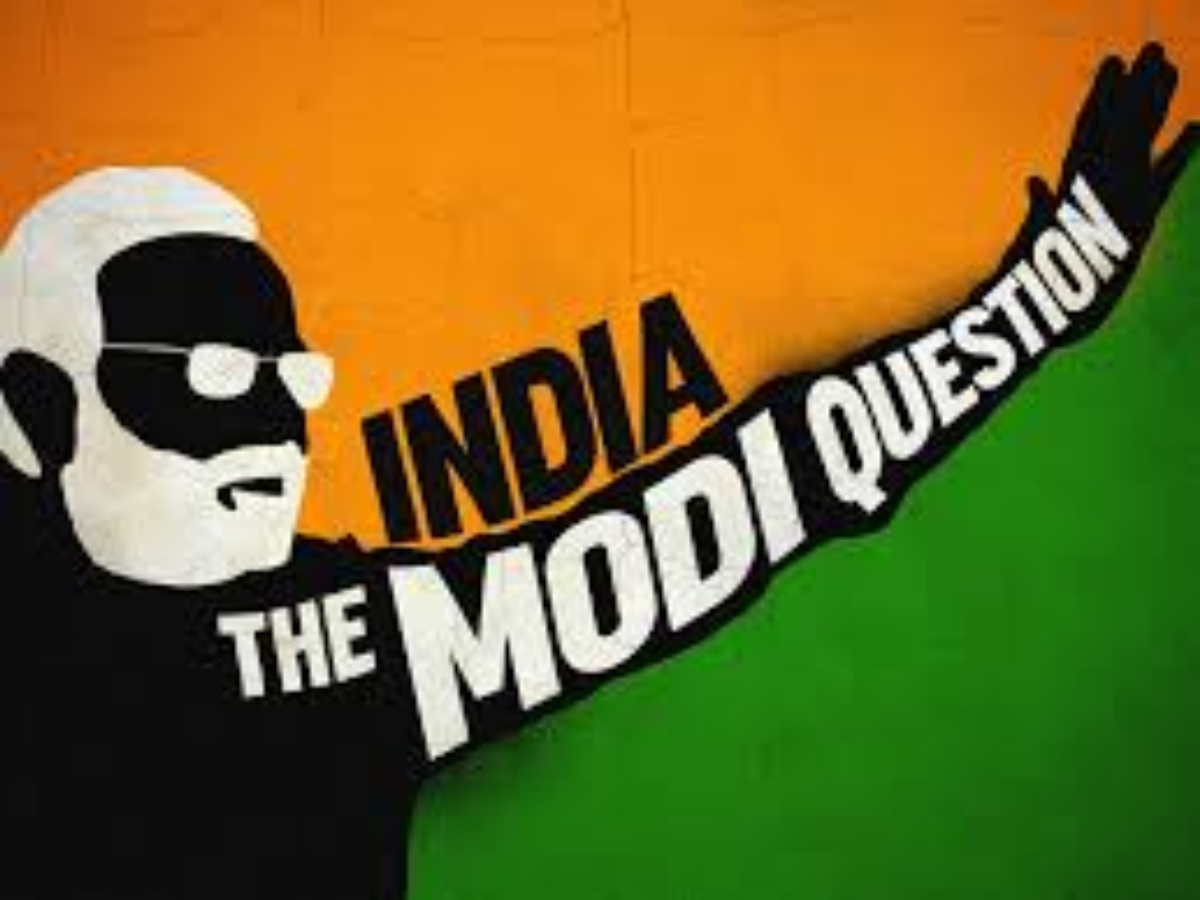
India: The Modi Question
India: The Modi Question was banned for allegedly promoting propaganda, undermining national integrity, and disturbing public order, invoking emergency powers under IT Rules, 2021.
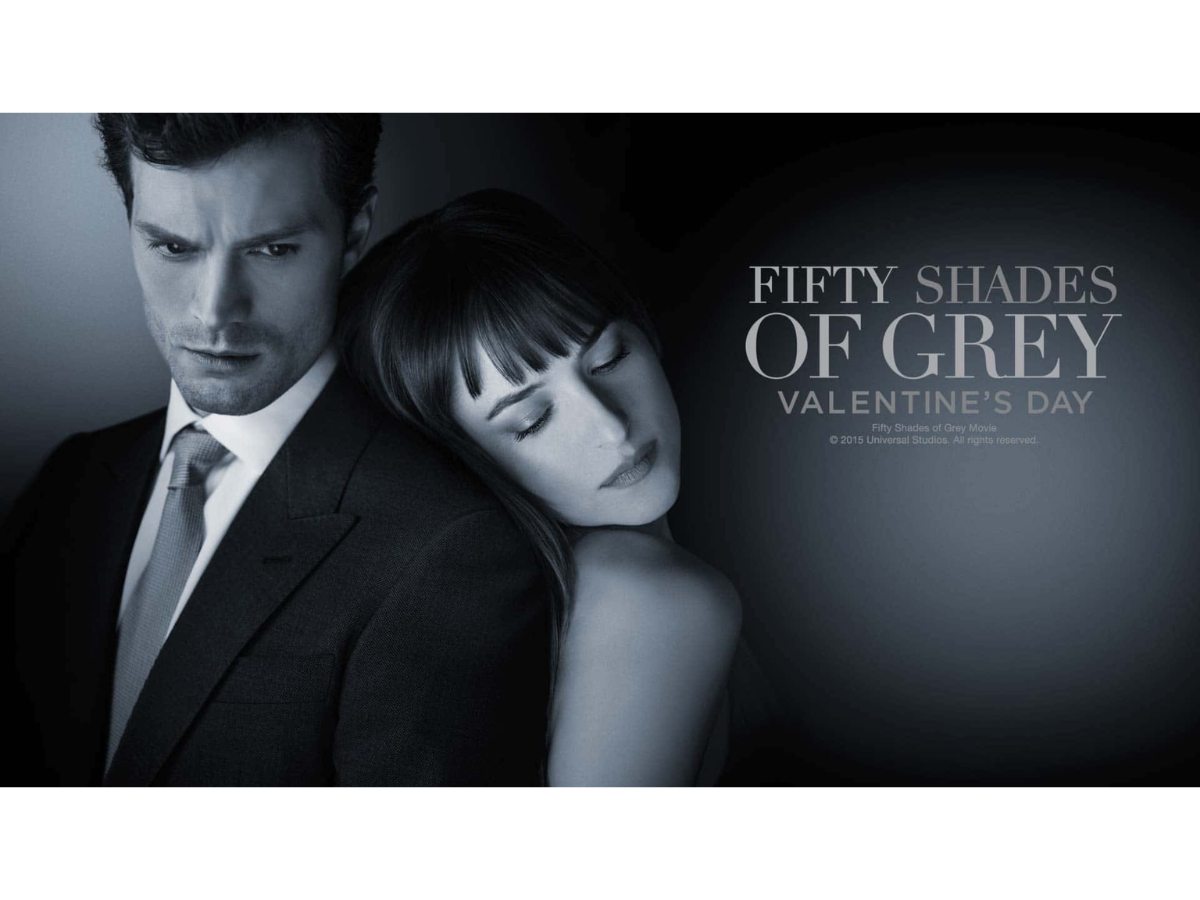
Fifty Shades Of Grey
Fifty Shades of Grey was banned in India because, despite removing nudity, censors deemed its dialogue too sexually explicit and provocative for Indian audiences .
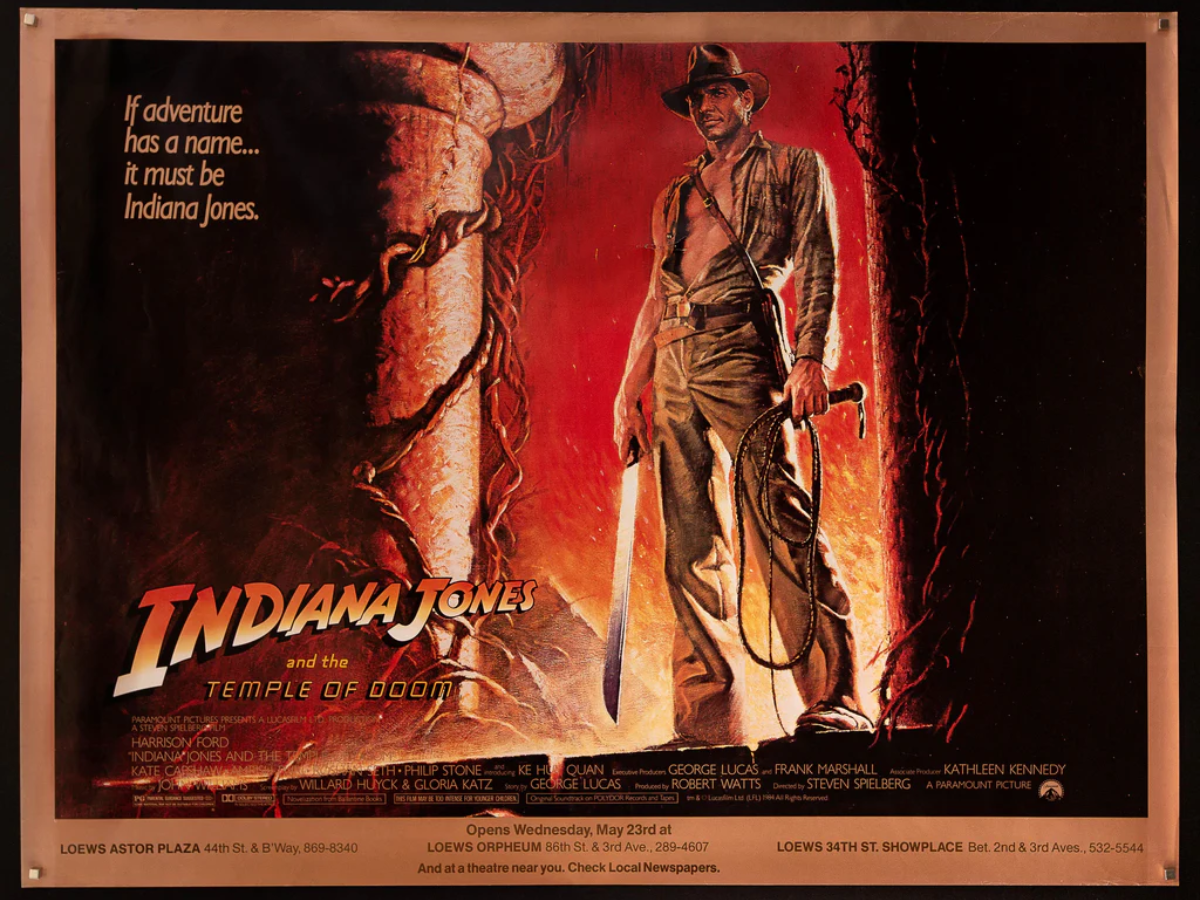
Indiana Jones And The Temple Of Doom
Indiana Jones and the Temple of Doom was banned in India due to its offensive portrayal of Indian culture—ritualistic violence, stereotypical cuisine, and demonizing Hindu deities.
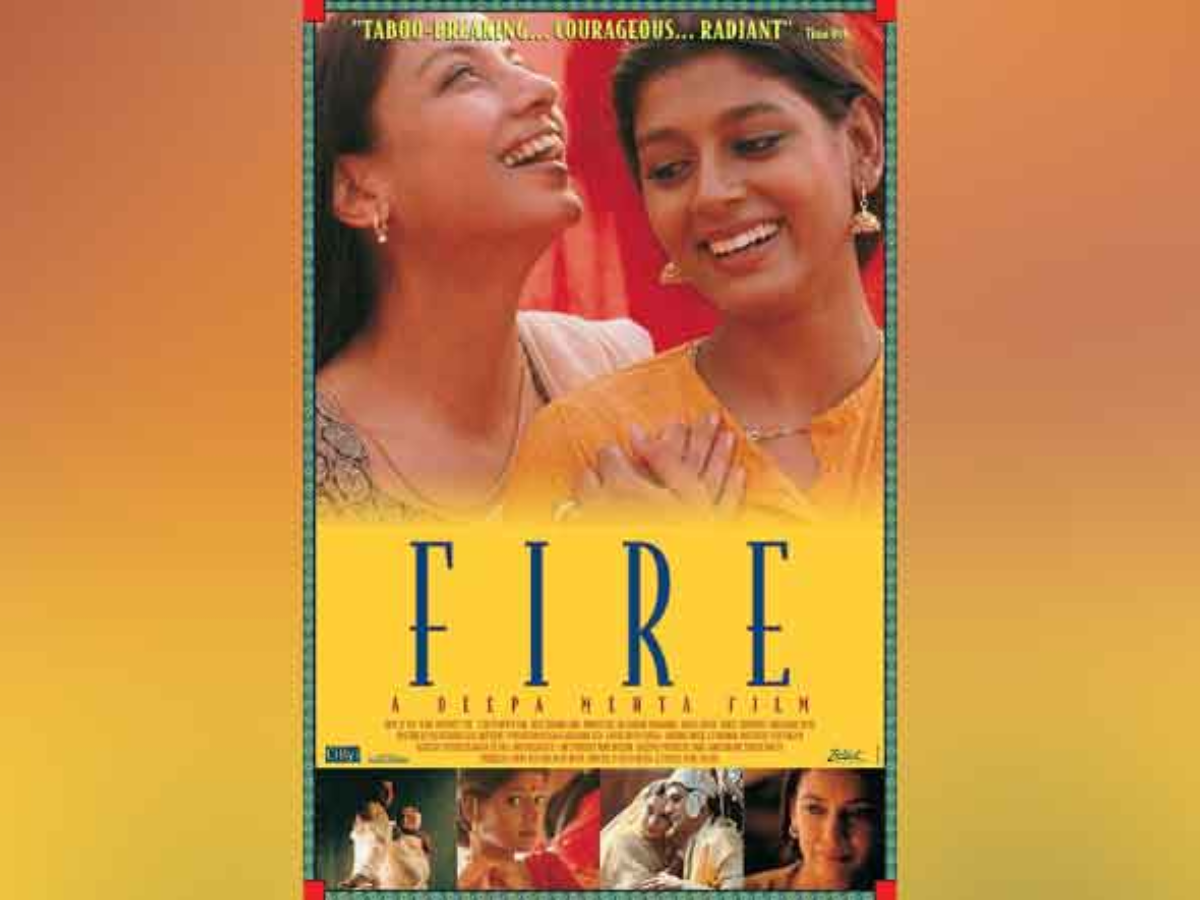
Fire
Fire (1996) was banned or faced protests in India due to its bold portrayal of a same-sex relationship, which outraged conservative and religious groups.

Water
Water (2005) was banned and faced violent protests in India due to its sensitive depiction of the plight of Hindu widows, angering conservative religious groups.
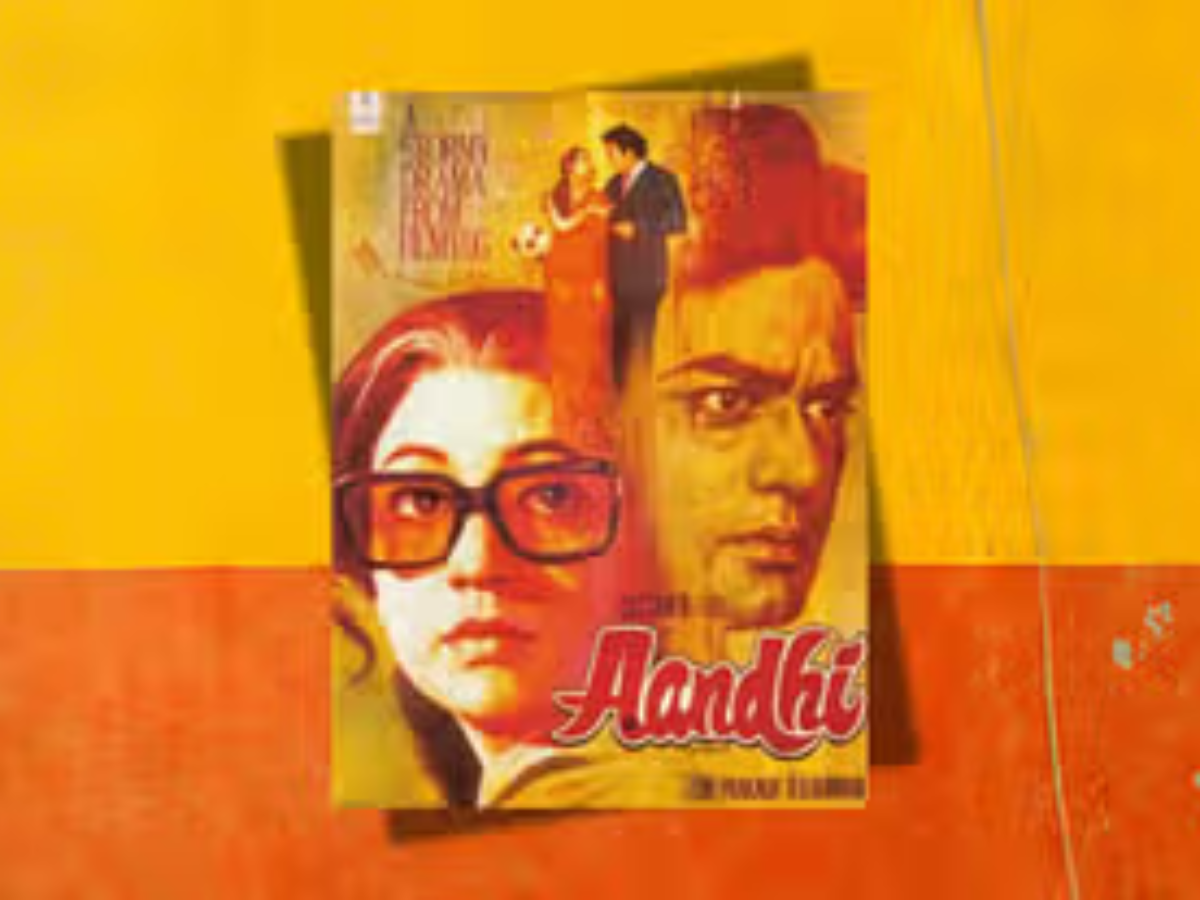
Aandhi
Aandhi (1975) was temporarily banned in India because its lead character was perceived to resemble then-Prime Minister Indira Gandhi, sparking political controversy during the Emergency.
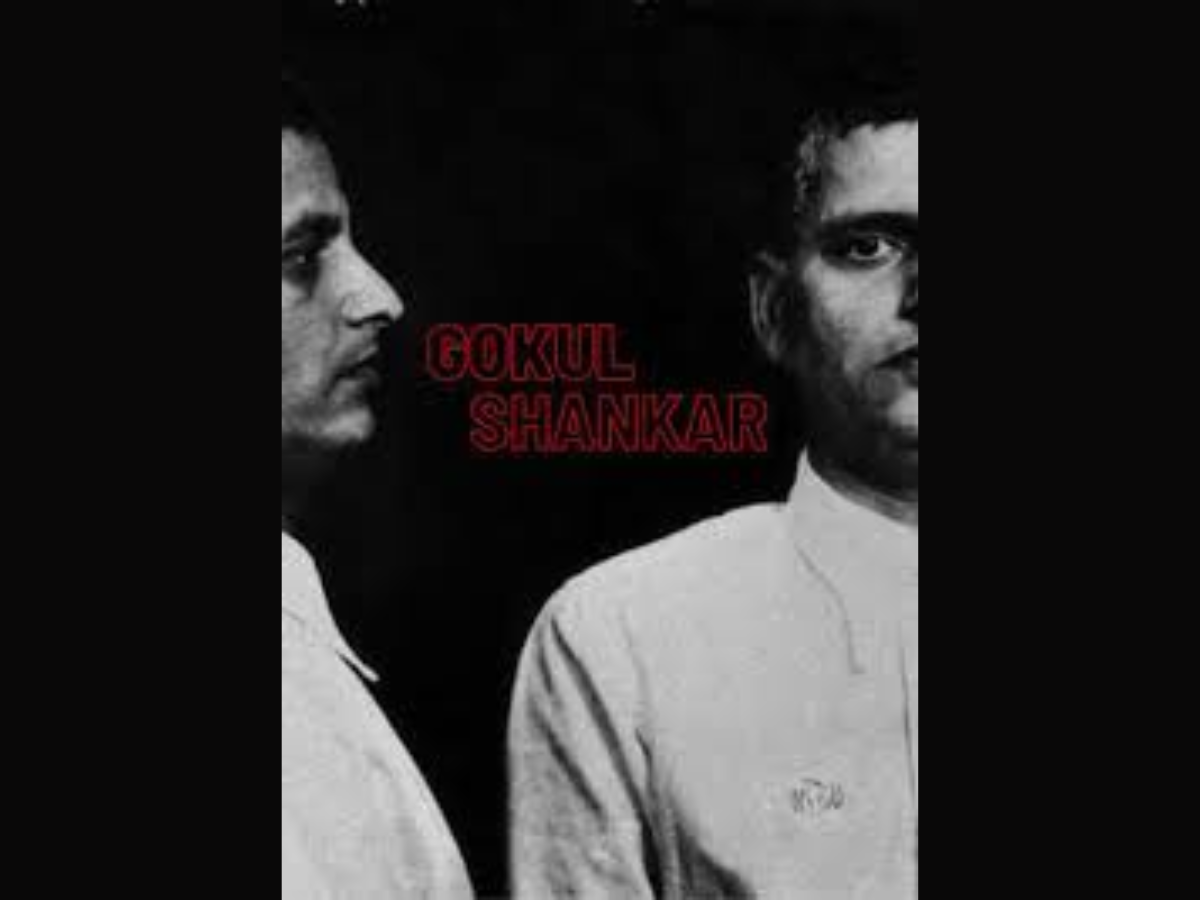
Gokul Shankar
Gokul Shankar (1963) was banned in India for depicting the psychological motivations behind Nathuram Godse, the assassin of Mahatma Gandhi—a subject deemed highly controversial.
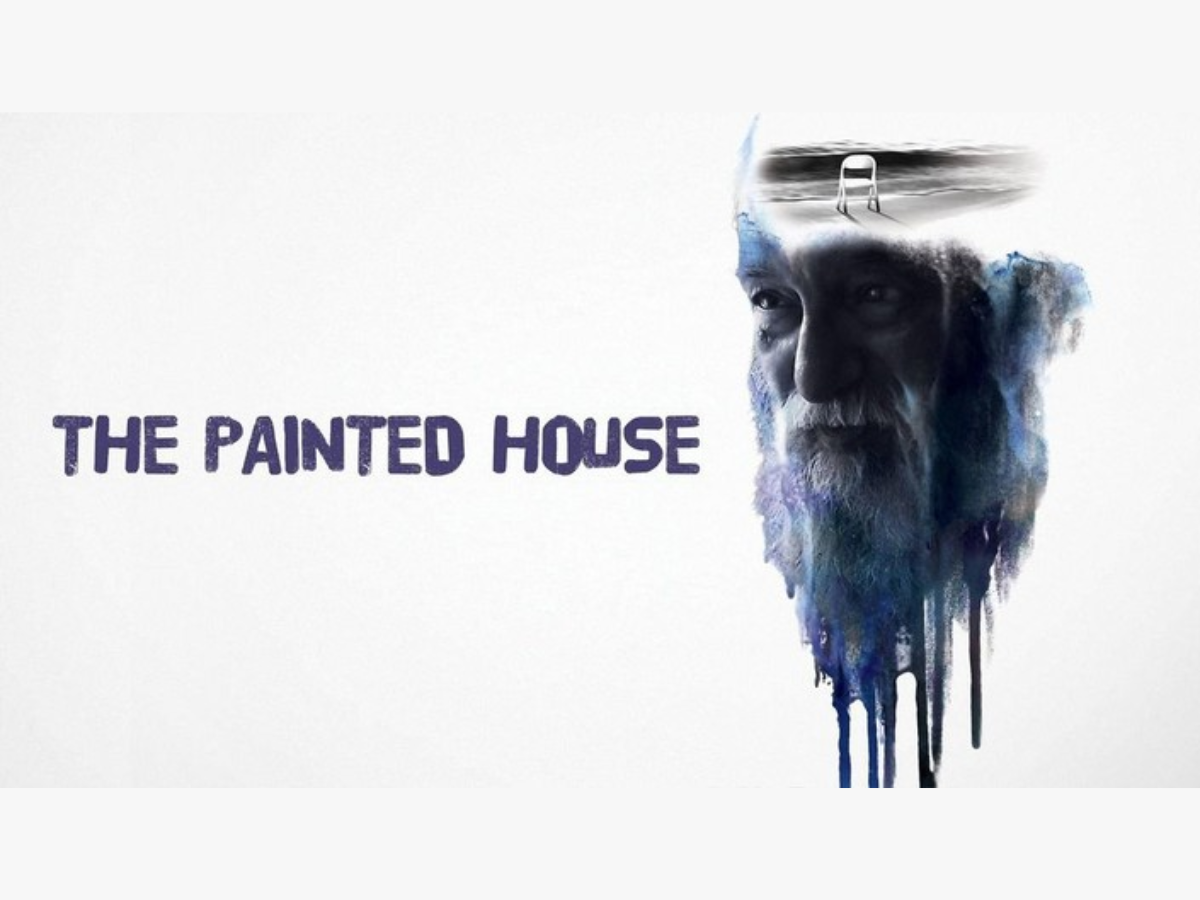
The Painted House
The Painted House (Chayam Poosiya Veedu, 2015) was initially banned in India because the CBFC demanded removal or blurring of three nude scenes. The filmmakers refused, citing artistic integrity. Eventually, the Kerala High Court granted full certification without any cuts.

Neelam
Neelam (2013, Tamil) was banned in India because the CBFC denied certification, fearing it could damage diplomatic relations with Sri Lanka by depicting the LTTE civil war.

Main Hoon Rajnikanth
Main Hoon Rajinikanth (2015) was banned after superstar Rajinikanth filed a legal complaint, arguing that the film misused his name and image without consent.




