
Finance Meets Fashion: On Her Birthday, A Look at FM Nirmala Sitharaman’s Signature Budget Sarees
Budget day has been one such time in the year and Finance Minister Nirmala Sitharaman has been able to use her Budget Day sarees to make cultural, political and symbolic messages. Whether it is the one she wore to make her debut in the pink Mangalgiri saree in 2019 with the iconic bahi-khata, or the one she will sport in 2025, on the Madhubani silk drape by Padma Shri artist Dulari Devi, there is always something that goes beyond fashion. It may be Bomkai weave of Odisha, Pochampally Ikat of Telangana or Kantha embroidery of Bengal, but Nirmala Sitharaman has shone the light on the beautiful spectrum of handloom tradition besides conveying optimism, strength or inclusiveness in her garment. Her sarees have made up a parallel story of cultural pride coupled together in the monetary destiny of the nation.
Budget 2019 – Pink Mangalgiri Debut
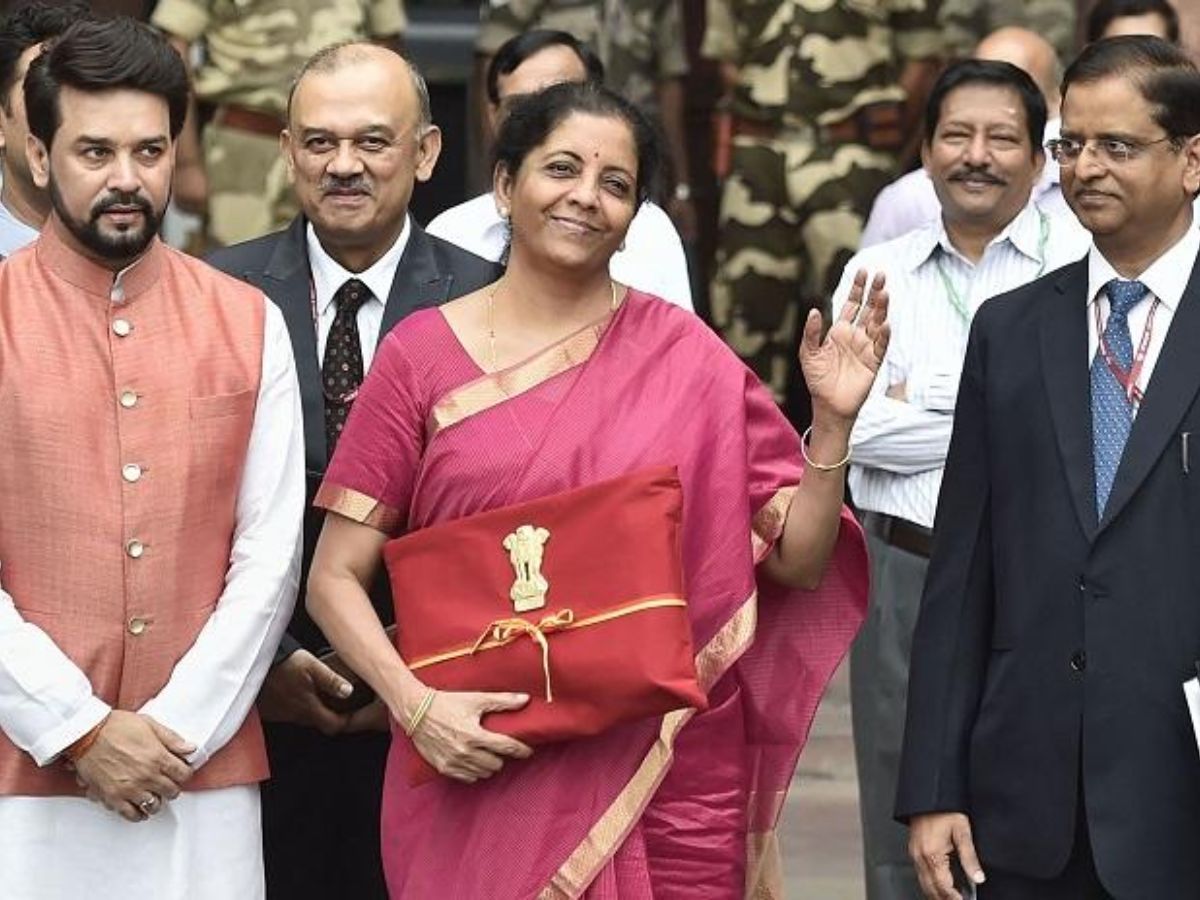
In her first-ever Budget as Finance Minister Nirmala Sitharaman set the tone by wearing a pink Mangalgiri silk saree with a gold border. Mangalgiri, a handloom tradition from Andhra Pradesh, is known for its fine weaving and understated elegance. Pink reflected warmth and approachability, while the golden accents conveyed authority and optimism. Most memorably, she abandoned the colonial-era leather Budget briefcase in favor of the traditional bahi khata (ledger wrapped in red cloth), symbolizing India’s economic independence and cultural pride. This debut look established a fashion legacy that would continue across all her Budgets, merging tradition with reformist zeal.
Budget 2020 – Yellow-Gold Silk for Optimism
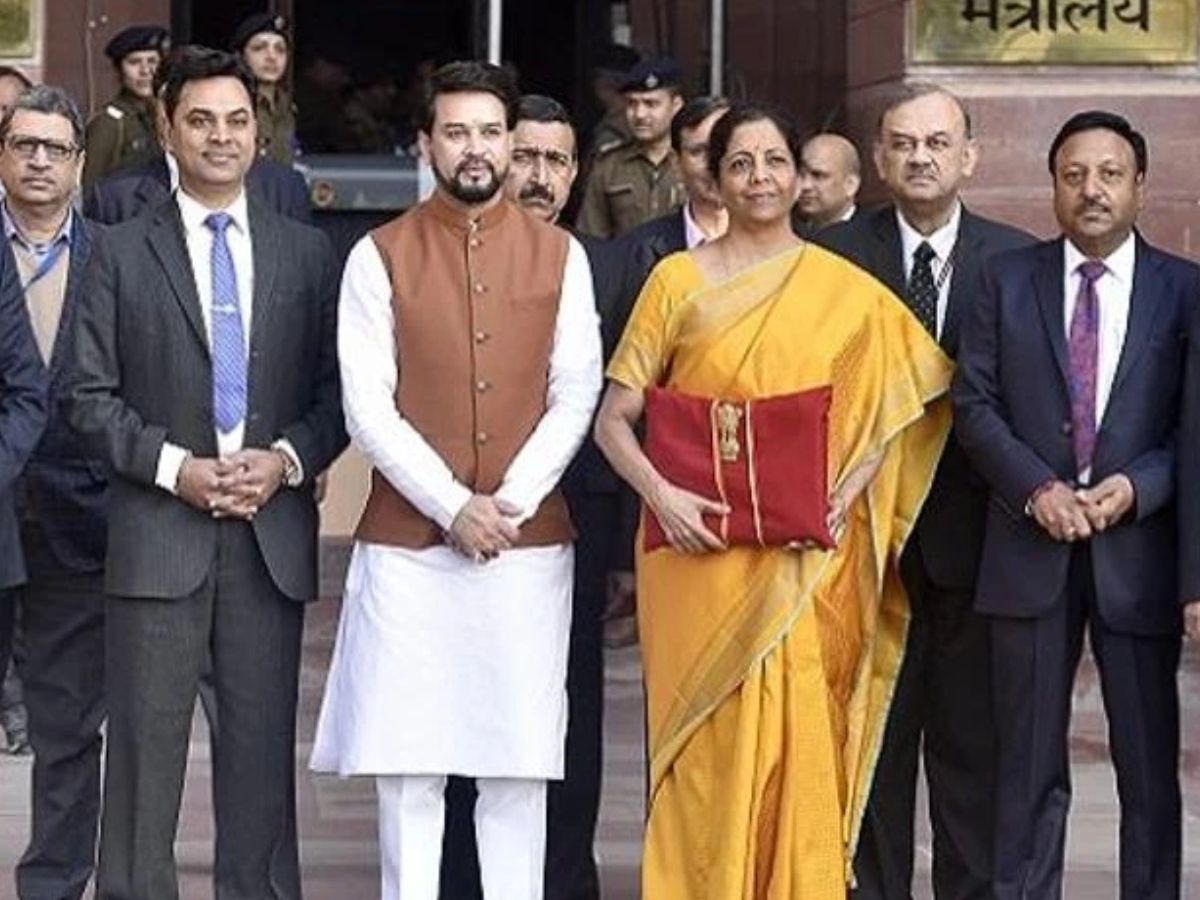
Finance Minister Nirmala Sitharaman was dressed in a warm and bright silk yellow saree with a green edged border on the Budget Day 2020 reflecting her warmth and optimism. The sunny tone of saree came as the COVID-19 crisis threatened to engulf the world. The color itself was symbolic of hope, affirmation, and strength. Indian tradition associates yellow to good fortune and auspicious beginnings, and that is why it is the appropriate option during uncertain times. The emerald-colored border was used with a light touch, to inject balance, indicating growth and rebirth. Her appearance was one of her boldest Budget looks ever, and seemed to echo a sentiment of the government who want to be strong and optimistic in times of crisis. It is a visual symbol of hope against international uncertainty.
Budget 2023 – Red Silk with Kasuti Embroidery
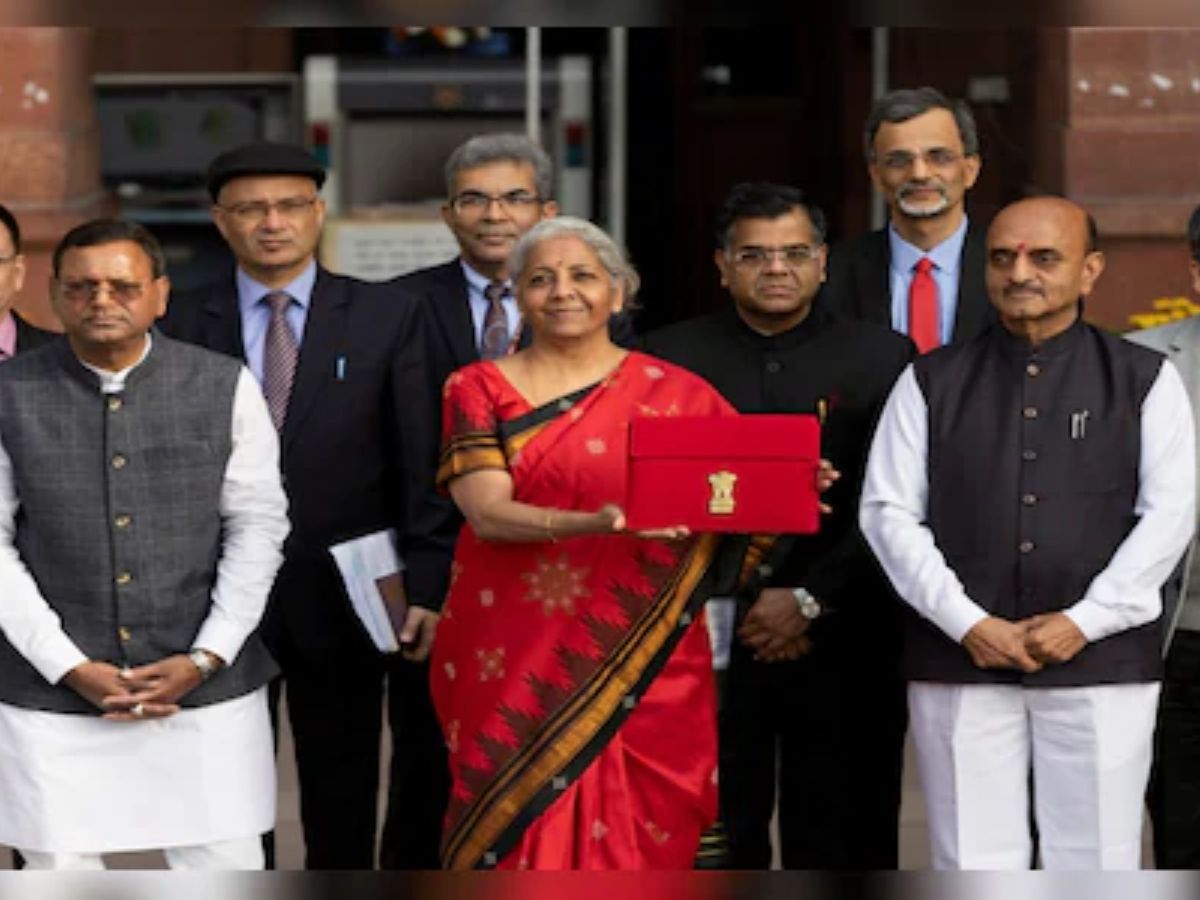
The 2023 Union Budget saw Finance Minister Nirmala Sitharaman in a deep red silk saree accentuated with Kasuti embroidery, an ancient craft from Karnataka. The temple motifs and geometric stitching typical of Kasuti reflected discipline and continuity—values she seemed to project through her Budget. Red, a powerful color often associated with prosperity and energy, gave her a commanding presence. At a time when the economy was navigating global uncertainties, this choice symbolized strength, resilience, and optimism. By selecting Kasuti, she also paid homage to Karnataka’s weavers, subtly aligning her wardrobe with the government’s messaging on supporting local handlooms and self-reliance.
Interim Budget 2024 – Blue Tussar with Kantha Handiwork
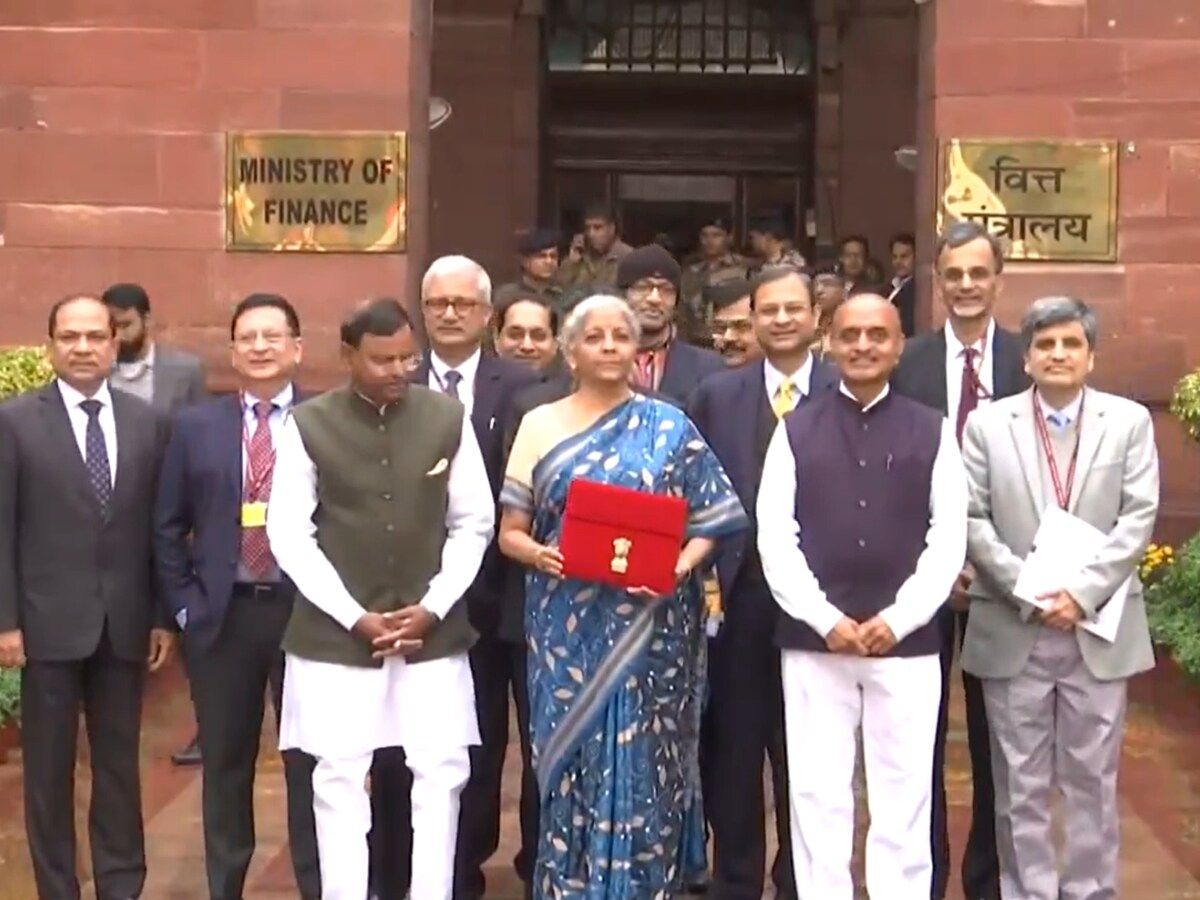
For the interim Budget session earlier that year, Finance Minister Nirmala Sitharaman chose a blue tussar silk saree intricately embroidered with Kantha work, a craft native to Bengal. The muted blue base conveyed serenity, while the detailed Kantha stitching reflected India’s deep artisanal traditions. Tussar silk, known for its textured richness, elevated the saree from simple attire to a statement of cultural diplomacy. By showcasing Bengal’s craft on such a platform, she reinforced the government’s emphasis on “Make in India” and indigenous heritage. The understated tones paired with intricate needlework mirrored her image as a leader—grounded, detail-oriented, and respectful of India’s diverse traditions.
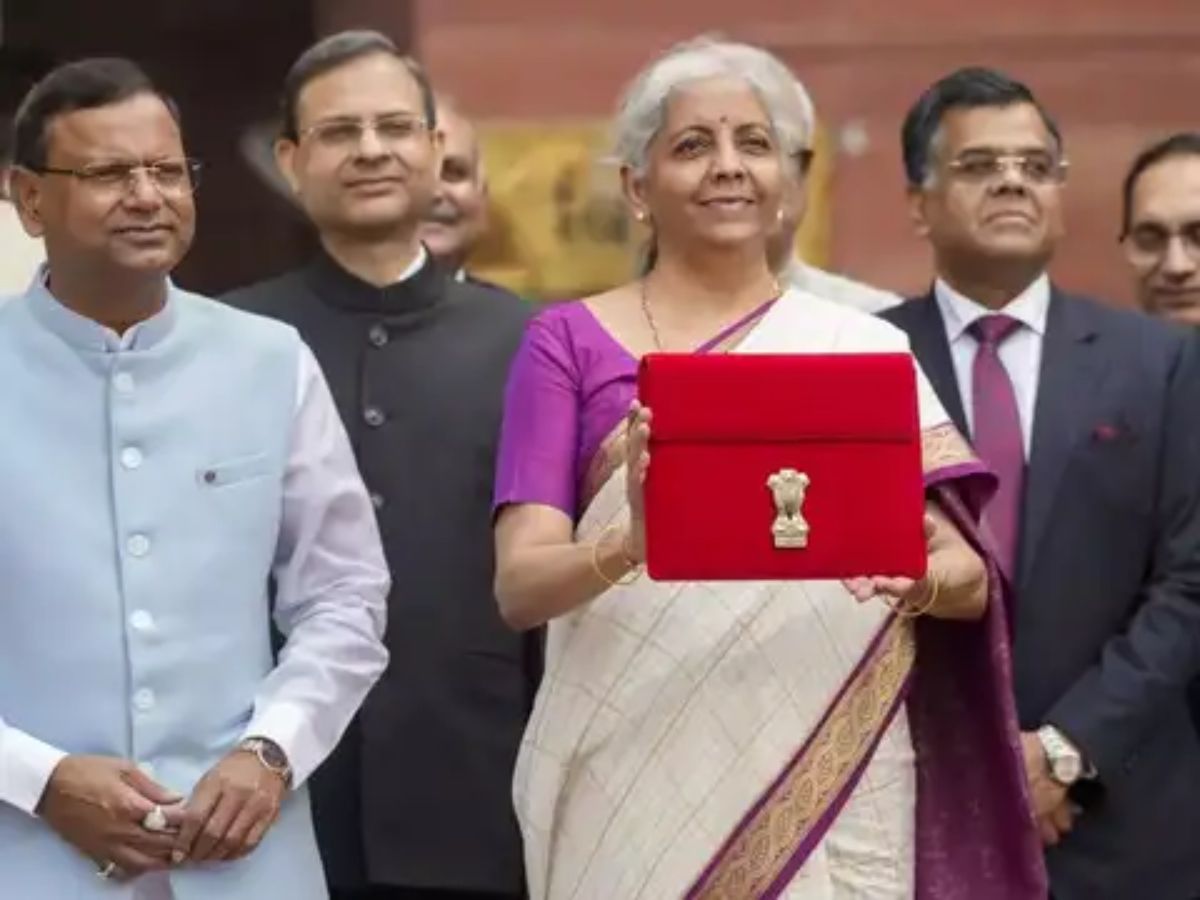
Budget 2024 – Golden Motifs on White Silk
In her seventh Budget, Finance Minister Nirmala Sitharaman opted for a graceful white silk saree adorned with golden motifs and finished with a magenta border. White, often associated with peace and clarity, offered a calm backdrop, while the golden detailing elevated the look with festive elegance. The magenta hints around the border added vibrance without overpowering the outfit. By selecting this saree, she presented an image of poised authority while subtly reflecting balance—a key theme of the Budget itself. Her ensemble also carried symbolic weight, with white signifying transparency and gold evoking prosperity—both qualities expected from the economic roadmap she was presenting.
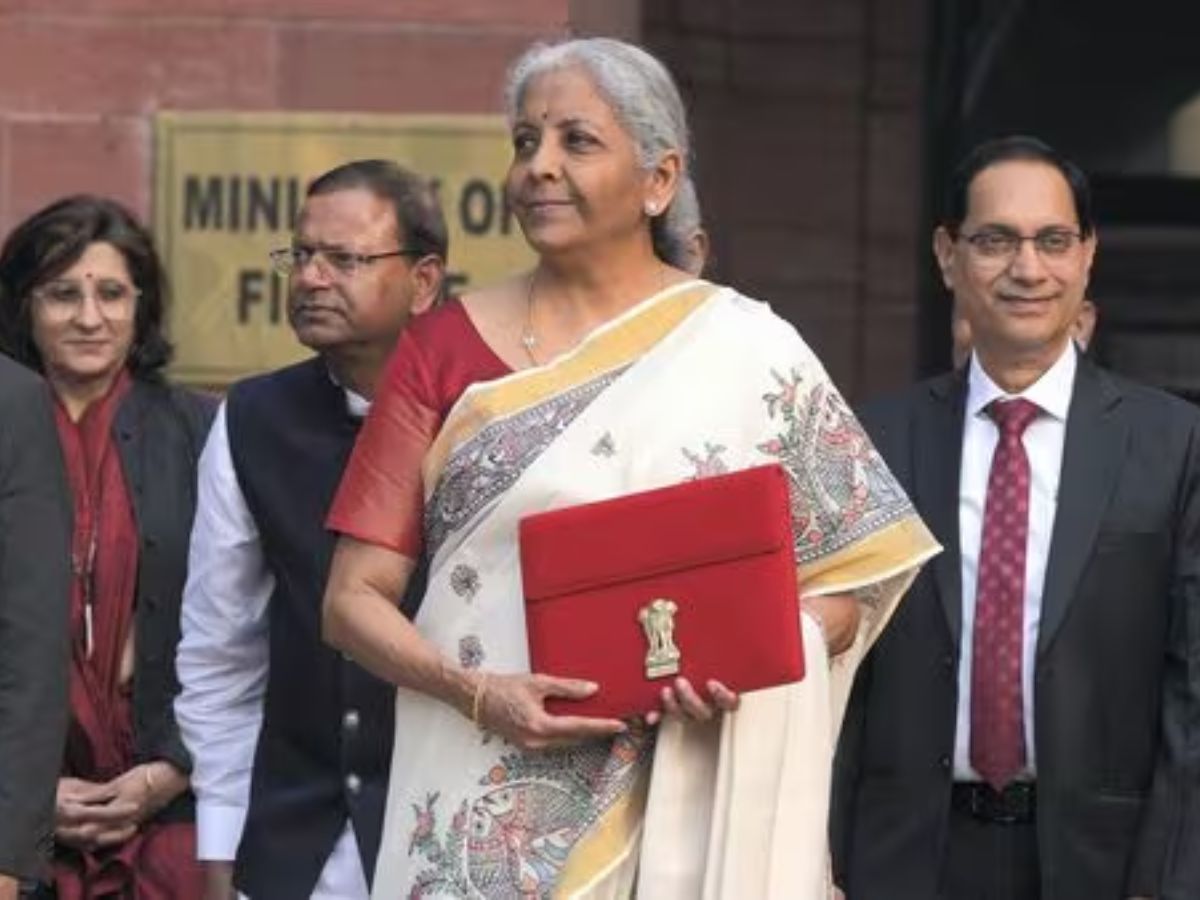
Budget 2025- Madhubani Tribute
For her eighth Union Budget, Finance Minister Nirmala Sitharaman made a striking statement with an off-white saree featuring Madhubani artwork along the borders, highlighted with a subtle golden sheen. Madhubani, a traditional art form from Bihar, is globally known for its intricate motifs inspired by mythology, folklore, and nature. By wearing this weave, the FM not only promoted Indian artisanship but also subtly conveyed a message of inclusivity and cultural pride. The choice of earthy off-white tones paired with golden highlights reflected both dignity and simplicity. Once again, she carried her signature bahi khata instead of a briefcase—now a hallmark of her Budgets—reinforcing her mix of tradition and modern policy-making.




