
Operation Sindoor Explained: Which Are The Nine Terror Camps Destroyed By The Indian Air Force?
Operation Sindoor: A Historic Turn in India’s Counter-Terror Policy
Operation Sindoor, undertaken by India on the night of 6-7 May 2025, was a historic turn in India’s counter-terror policy, being its most definitive and technologically sophisticated military action against cross-border terror since the 1971 war. This multi-theater precision strike campaign was initiated to respond to the horrific terror assault on the tourists in Pahalgam on 22nd April 2025, where 26 innocent civilians were killed. India had held The Resistance Front (TRF), an amalgam of pro-Pakistan terrorist proxies, an associate of Lashkar-e-Taiba (LeT) responsible for the attack.
Operation Success and Aftermath
The operation was a huge success for India, with official briefings asserting the neutralization of more than 100 terrorists, including top terrorists such as Jaish-e-Mohammed leader Abdul Rauf Azhar, who were involved in the IC-814 hijacking. On 10 May 2025, Pakistan’s Director General of Military Operations went up to his Indian counterpart to ask for an end to firing and hostilities, to which India acquiesced. Prime Minister Narendra Modi congratulated Operation Sindoor as a stark warning that no terror-nurturing land is out of India’s reach, terming it the “new normal” in India’s retaliation against terrorism.
Names of Terror Camps Targeted in Operation Sindoor:
1. Markaz Subhan Allah, Bahawalpur
2. Markaz Taiba, Muridke
3. Mehmoona Joya, Sialkot
4. Sarjal Camp, Sialkot
5. Sawai Nala Camp, Muzaffarabad
6. Syedna Bilal Camp, Muzaffarabad
7. Gulpur Camp, Kotli
8. Abbas Camp, Kotli
9. Barnala Camp, Bhimber
Importance of the Targeted Terror Camps
These camps were particularly chosen because they serve critical purposes in terms of terrorist training, acting as shelter for high-profile militants, and carrying out cross-border terror operations. By hitting these significant locations, India aimed to eliminate, if only temporarily, valuable targets toward terror networks and deliver a clear deterrent message against cross-border terrorism.

Markaz Subhan Allah, Bahawalpur, Punjab, Pakistan
This is where Jaish-e-Mohammed’s (JeM) operational headquarters, which spanned 15 acres, was located. It served as the central training and indoctrination site for young recruits, including individuals responsible for the Pulwama suicide attack, as well as senior leadership and family members of top JeM leaders, including Masood Azhar.

Markaz Taiba, Muridke, Punjab, Pakistan
This was founded in 2000 and was the Lashkar-e-Taiba (LeT) headquarters and largest training facility. Spanning 82 acres, it had madrassas, residential complexes, and facilities for arms and physical training, and served as a "terror factory" radicalizing thousands every year. The perpetrators of the 26/11 Mumbai attacks were trained there.
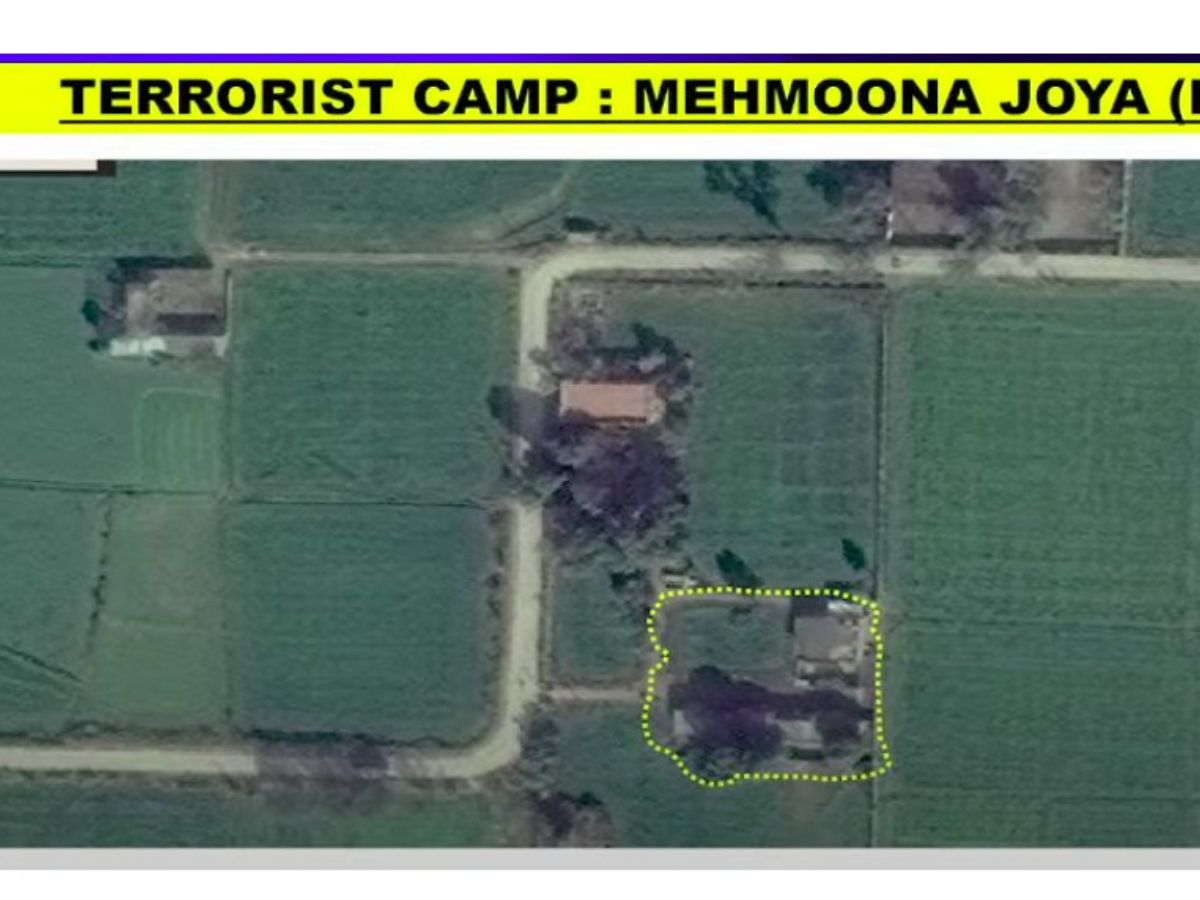
Mehmoona Joya, Sialkot, Pakistan
One of the prime training centers of Hizbul Mujahideen, near the International Border. This camp played a pivotal role in resurgence of terror in the Kathua and Jammu districts, and principal attacks such as the Pathankot Air Force base attack were conceived and conducted from here.
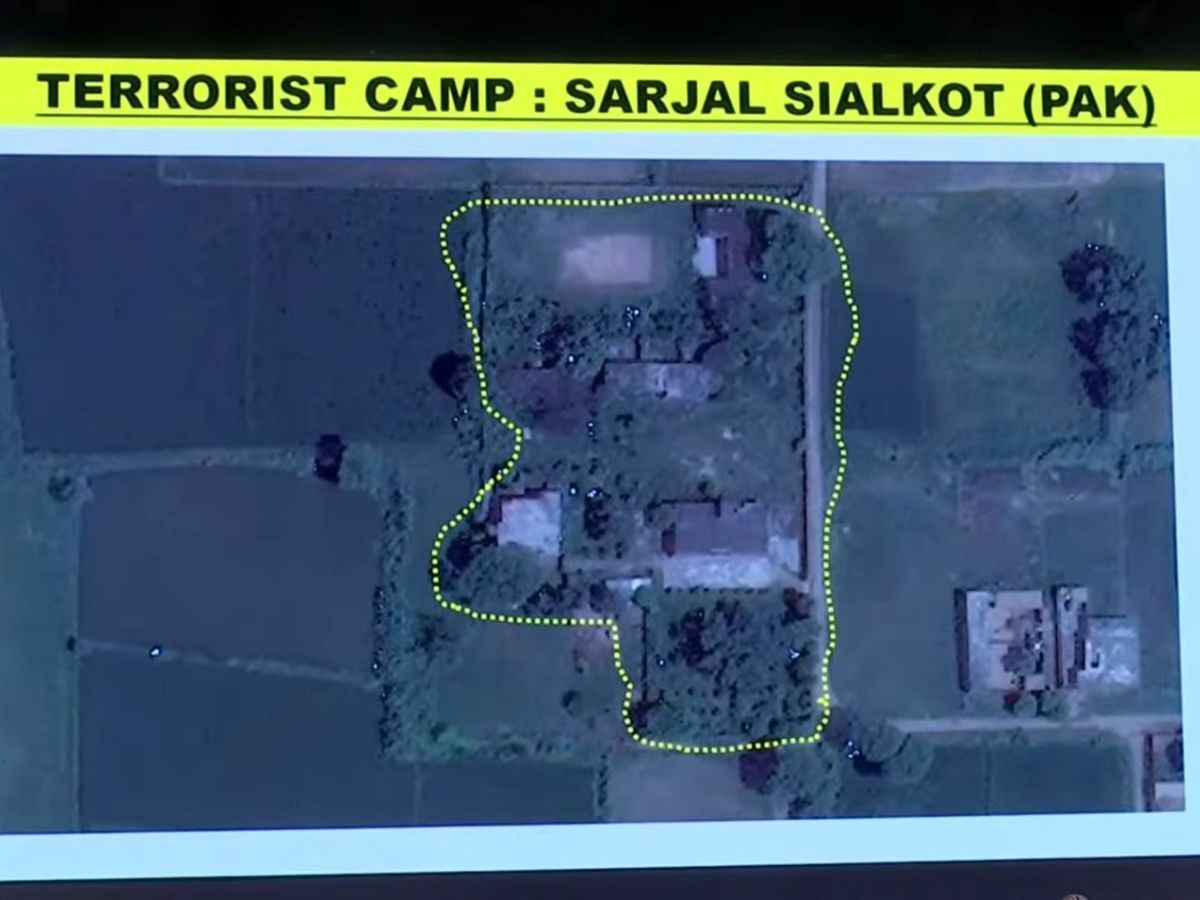
Sarjal Camp, Sialkot, Pakistan
Situated some six kilometers from the International Border, this camp served to train and deploy terrorists into India. The module that carried out the assassination of four Jammu and Kashmir Police personnel in March 2025 branched out from this center.
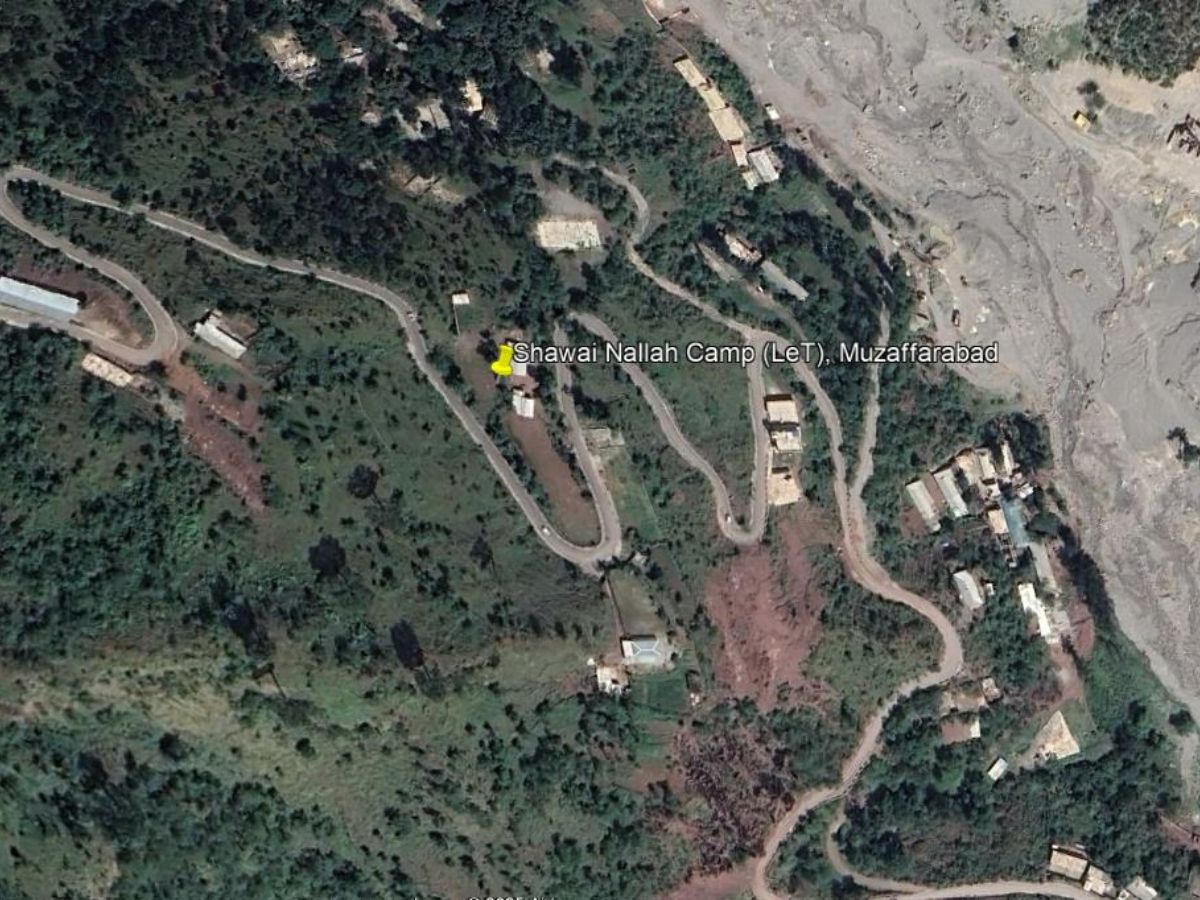
Shawai Nallah, Muzaffarabad, PoJK
This was a central training and launching base of Lashkar-e-Taiba. This terrorist module based in this camp carried out attacks on civilians and security personnel in Sonmarg and the brutal Pahalgam attack that necessitated Operation Sindoor.
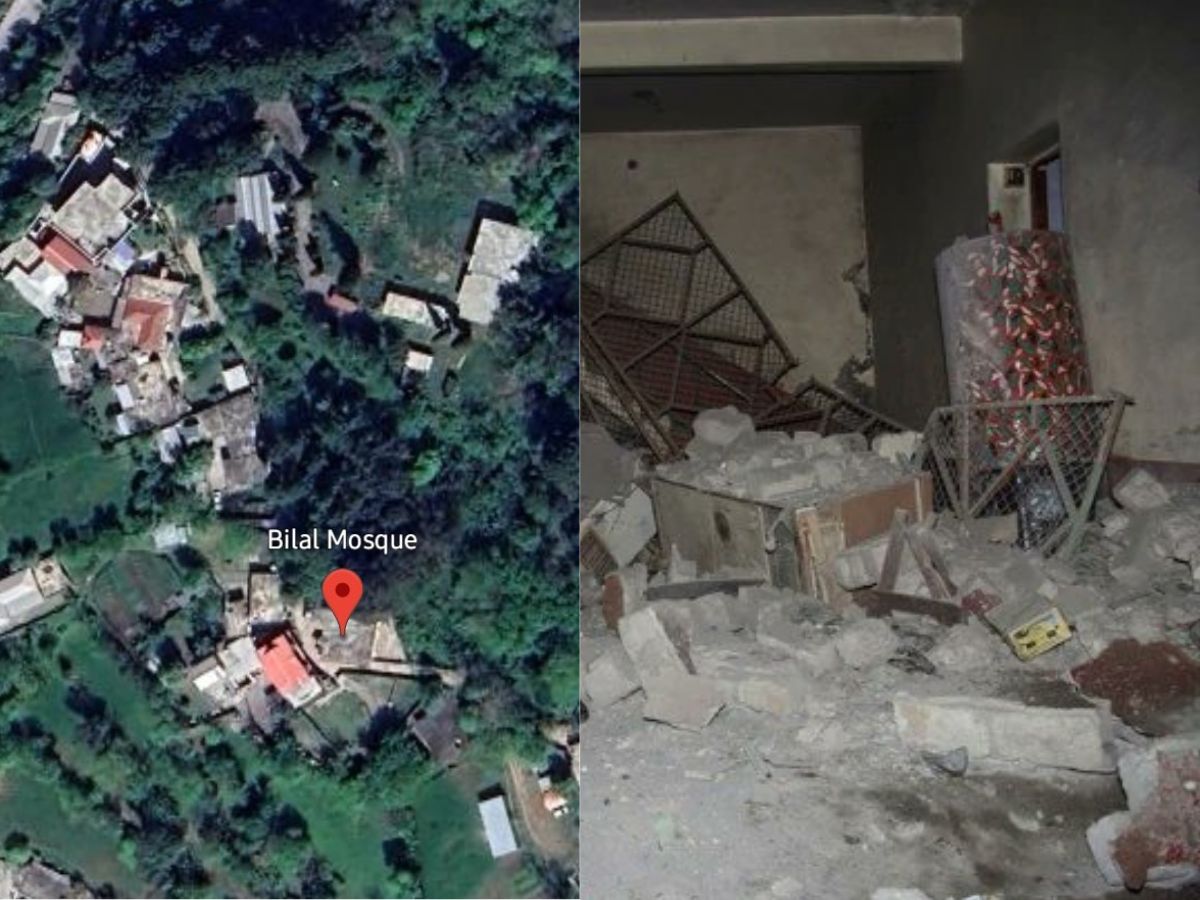
Syedna Bilal Camp, Muzaffarabad, PoJK
Jaish-e-Mohammed camp that serves as a launching point and is used for terrorist training in weapons, explosives, and survival in the jungle, getting them ready for cross-Line of Control infiltrations.
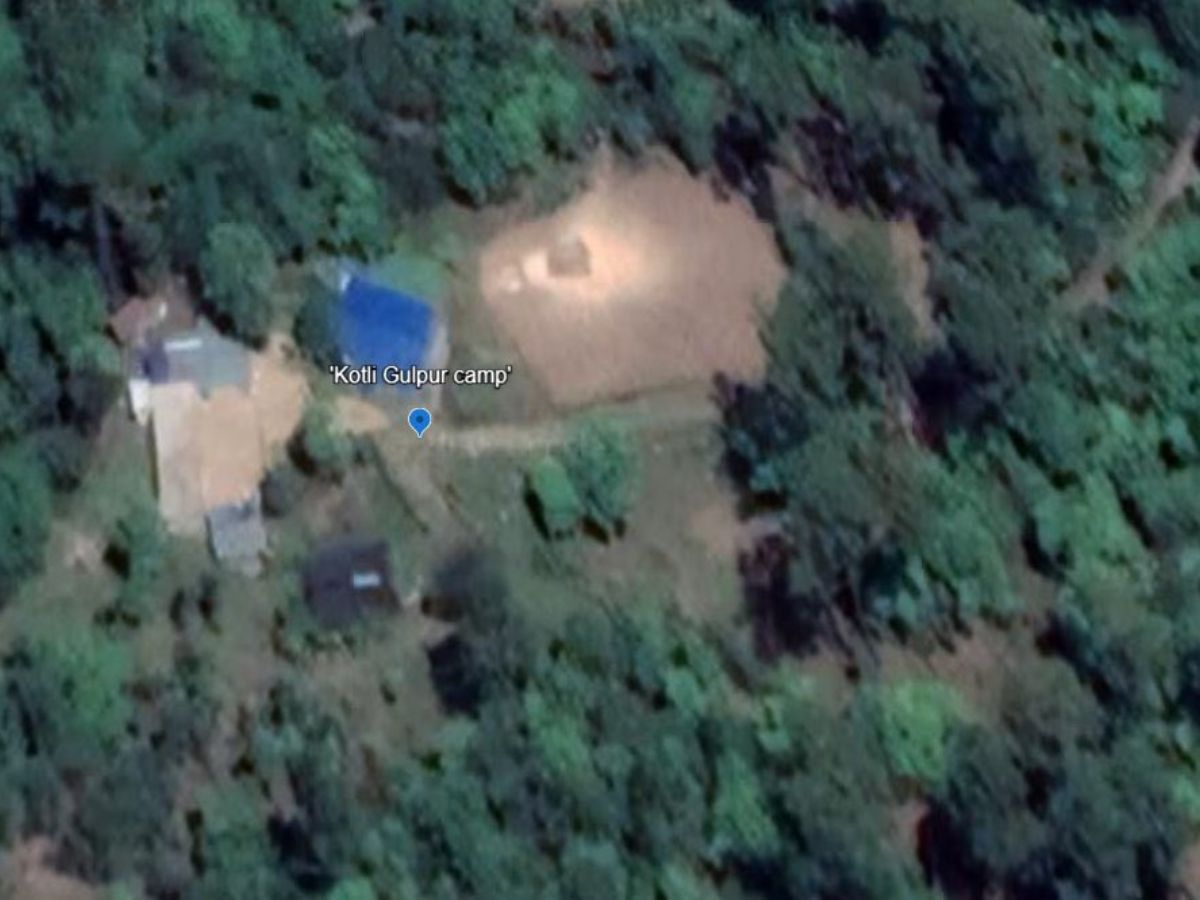
Gulpur Camp, Kotli, PoJK
This camp, located 30 km from the Line of Control, was a hub of LeT terrorists working in the Rajouri-Poonch area. Terrorists trained here were involved in Poonch attacks in April 2023 and an attack on pilgrims in June 2024.
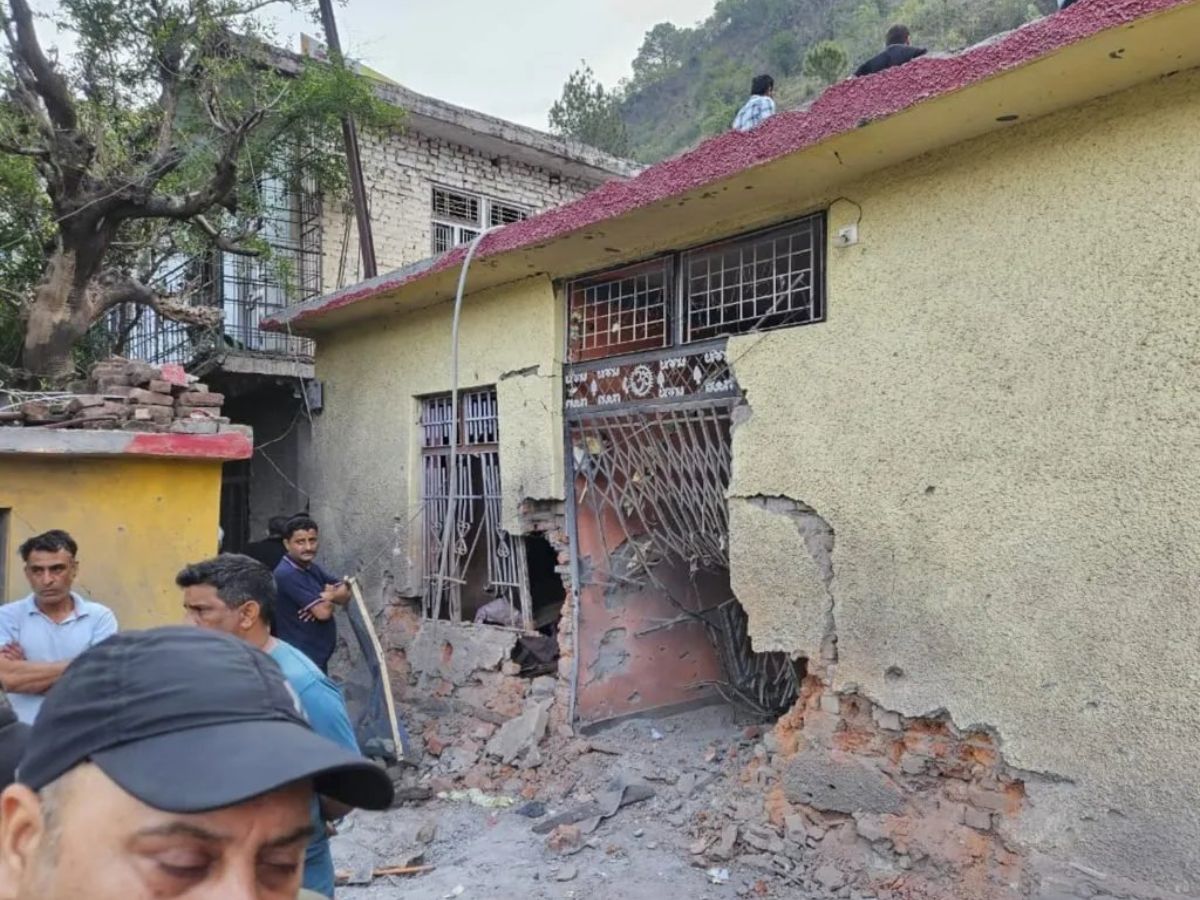
Abbas Camp, Kotli, PoJK
Situated close to the Line of Control, the facility was identified as a nerve center for suicide bomber training of the LeT. It was equipped with infrastructure that could train as many as 50 terrorists simultaneously.
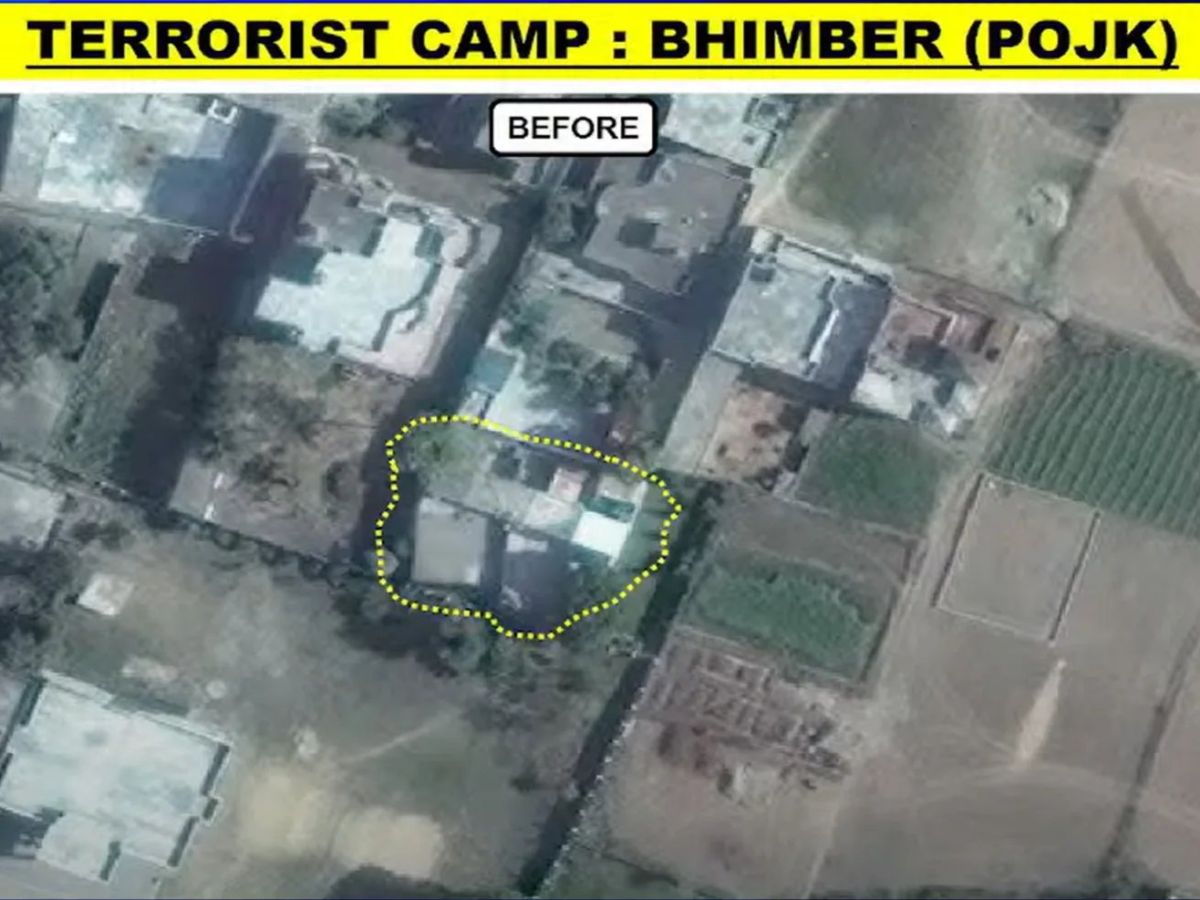
Barnala Camp, Bhimber, PoJK
Around 9 km from the Line of Control, the camp imparted training to terrorists in weapons handling, IED marking, and jungle survival skills for ingress into Indian territory.




