
Top 6 Celestial Events of 2026 You Can’t Miss: From Stunning Supermoons to Rare Solar Eclipses
From bright supermoons in winter skies to a rare total solar eclipse that will turn day into night in parts of Europe and the Arctic, the year will be special for sky lovers, with many exciting space events to watch and enjoy.

Wolf Supermoon (January 3, 2026)
The Wolf Supermoon is a celestial event that occurs on January 3, 2026, when the moon appears 14% larger and 30% brighter, lighting up the early evening sky globally.
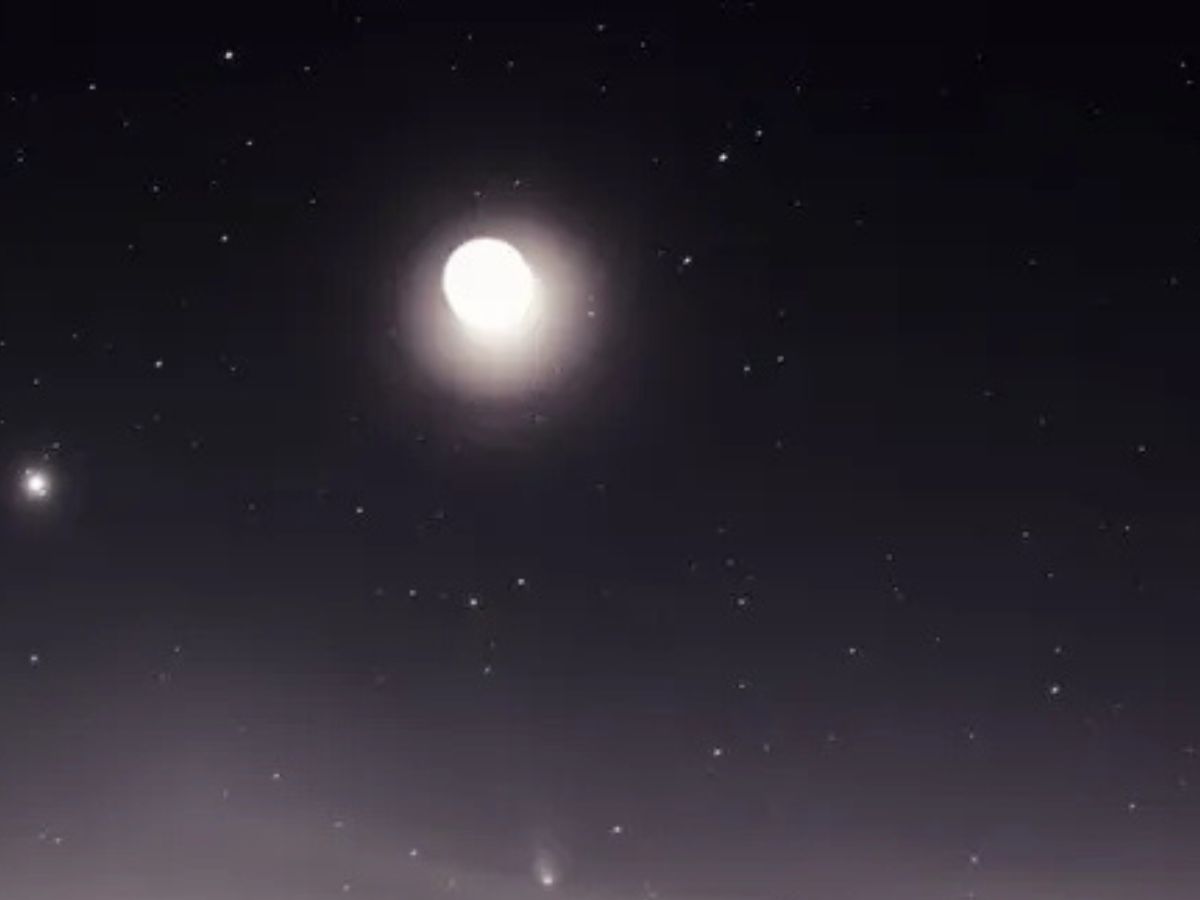
Jupiter at Opposition (January 10, 2026)
On January 10, 2026, Jupiter is in the position of opposition, which means that it is the brightest and the largest planet of the year, and it can be seen throughout the night easily outshining most stars in the world.
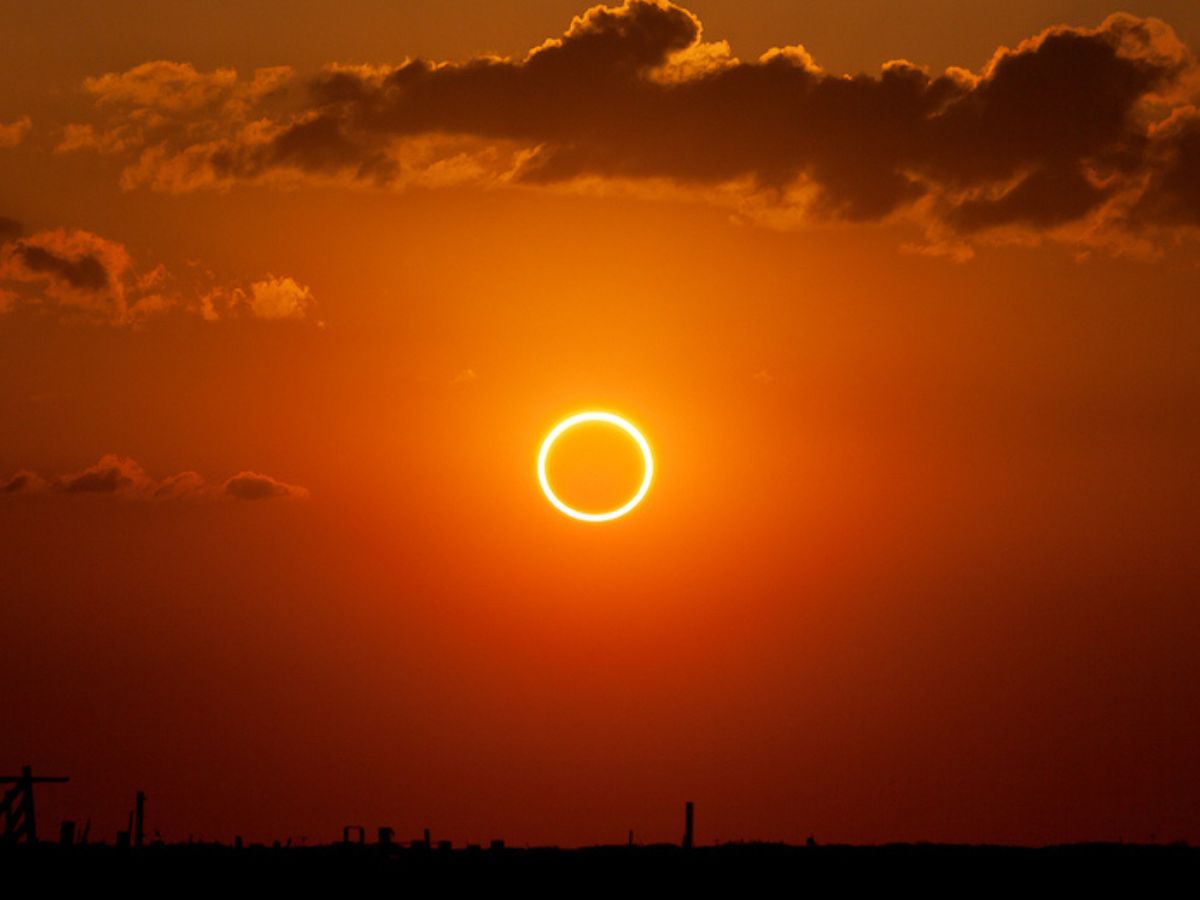
Annular Solar Eclipse (February 17, 2026)
A solar eclipse that forms a ring of fire is what February 17, 2026, has in store for us. The full visibility of the event will be in Antarctica, with partial views available in other locations.
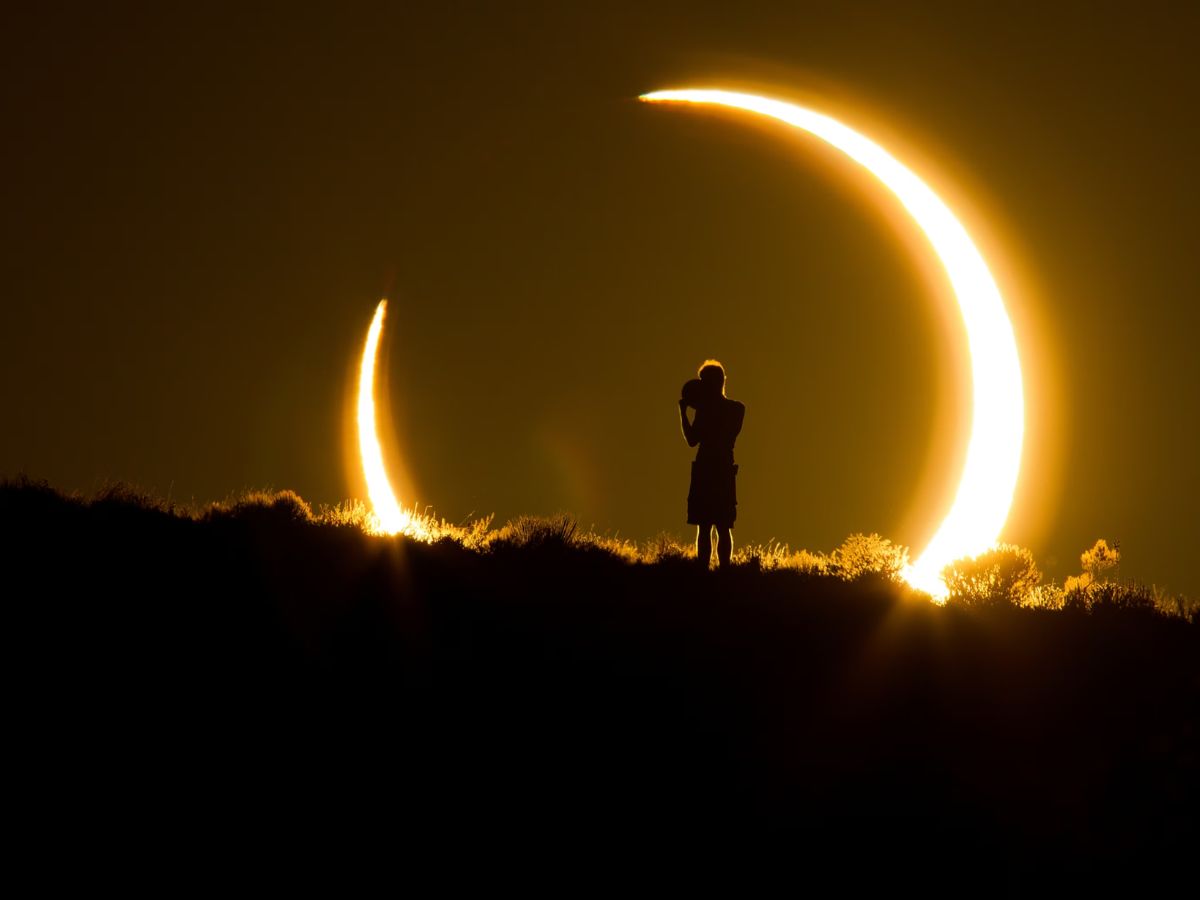
Total Solar Eclipse (August 12, 2026)
On August 12, 2026, the first total solar eclipse of the 21st century will occur, and the path of totality will extend across the Arctic and Europe, marking the first mainland European totality since the 1999 event.
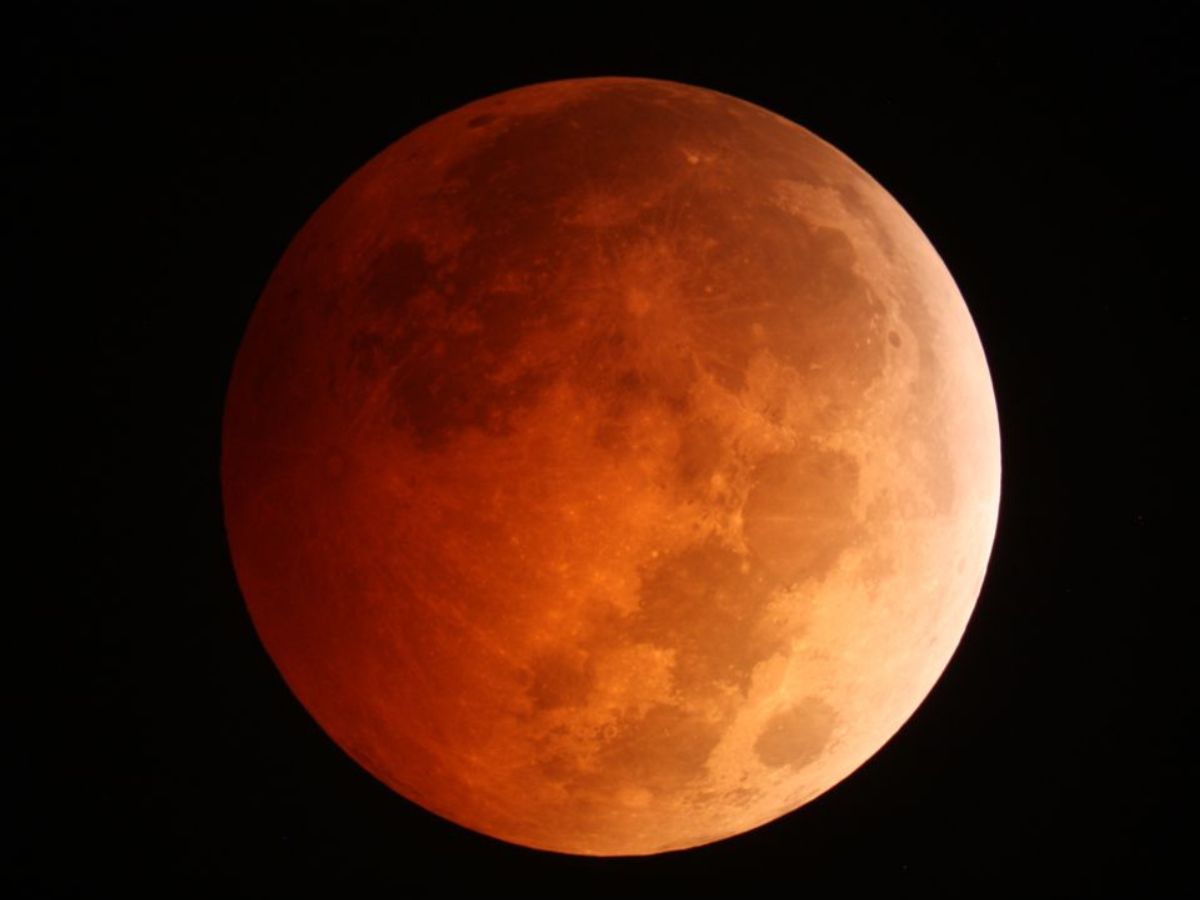
Total Lunar Eclipse ‘Blood Moon’ (March 3, 2026)
On March 3, 2026, a total lunar eclipse will occur, transforming the Moon into a red, blood-like color. The event will be visible in the Americas, Asia, Australia, and across the Pacific.

Finale Supermoon & Meteor Showers (December 2026)
December 24, 2026, may host a rare supermoon, while Perseids and Geminids meteor showers deliver dazzling year-end stargazing displays worldwide.




