
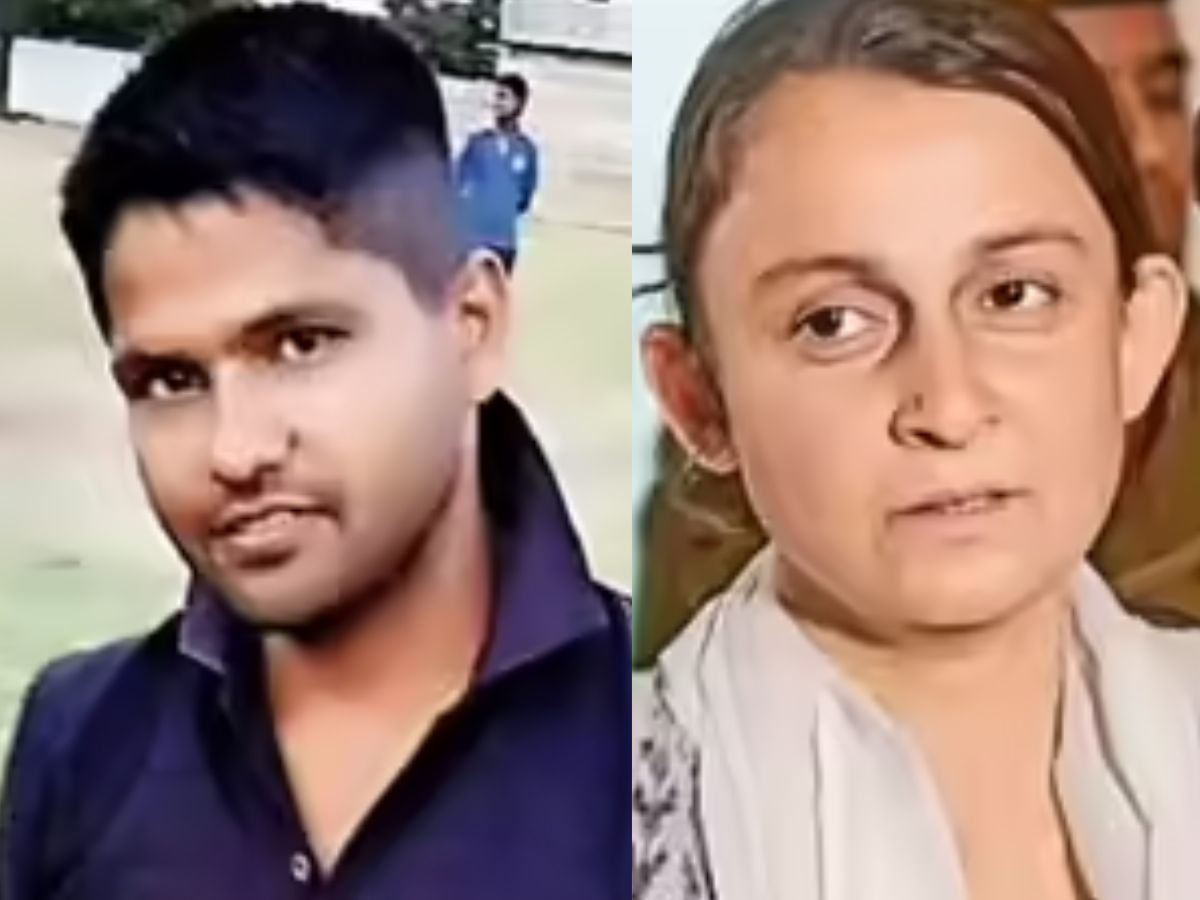

Rajasthan: In an unusual case from Rajasthan, two prisoners serving life sentences in separate murder cases have been granted parole to get married after forming a relationship during incarceration. The wedding is scheduled to take place today, January 23, in Barodamev, Alwar, according to prison officials. A wedding invitation linked to the ceremony has also surfaced.
The decision to allow parole was taken following due administrative procedures, officials said, noting that temporary release for marriage is permitted under specific conditions even for life-term convicts.
Relationship Developed During Incarceration
The bride, Priya Seth, and the groom, Hanuman Prasad, aka Jack, were both lodged at an open prison facility in Jaipur. Open prisons allow inmates greater mobility and interaction compared to conventional jails, often to support rehabilitation and reintegration.
Officials said the two became acquainted during their stay at the open prison, where a relationship gradually developed. They reportedly lived together within the facility for several months before seeking permission to marry.
Both individuals are serving life sentences in separate murder cases registered in Alwar district. Priya Seth was convicted in connection with a 2018 murder case, while Hanuman Prasad was sentenced for his role in a 2017 multiple-murder case. Their former partners in the respective cases are also serving life sentences.
Parole Granted After Due Process
Prison authorities clarified that the parole was granted after reviewing conduct records, legal eligibility and procedural requirements. “Marriage parole is considered a reformative step under prison rules, provided the inmate meets the necessary criteria,” an official said.
The case has drawn public attention due to its unusual circumstances, but officials stressed that the decision aligns with existing prison regulations and does not alter the sentences awarded by the courts.
The wedding will take place under supervision, after which both convicts are expected to return to custody upon completion of their parole period.




