
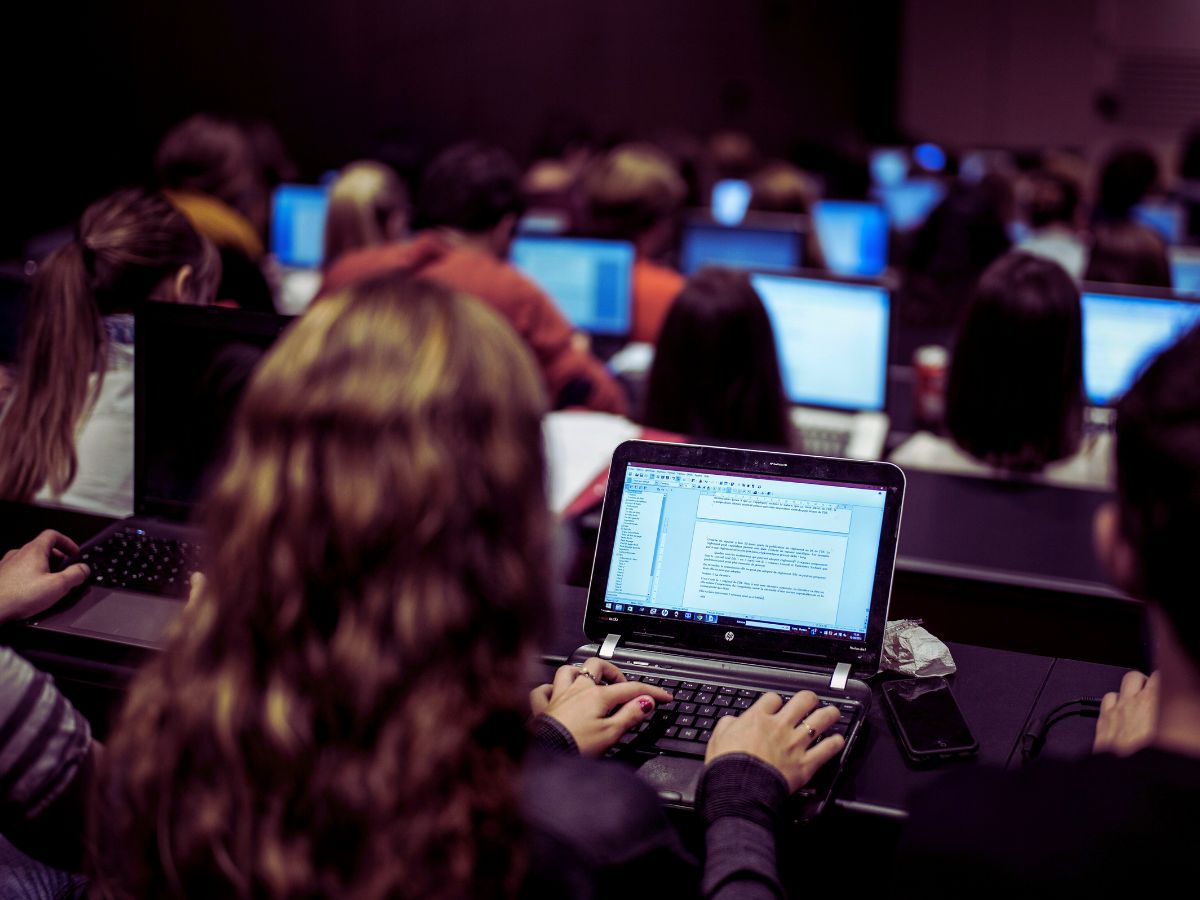

A new study carried out by MIT’s Media Lab shows ChatGPT is forcing students to think. The new study explains the implications on students and human recognition, application of Chatgpt for educational purposes and scholarly activity can reduce human critical thinking and psychological involvement.
For the research purpose researchers have observed around 54 participants who are aged between 18 to 39 from the Boston area, and divided them into three groups. These students were asked to write SAT-style essays using either OpenAI’s ChatGPT, Google Search, or no digital assistance.
In the observation, researchers carefully observed brain activity in users using electroencephalography (EEG). They even scanned 32 regions of the brain to tap psychological engagement. The study indicates that use of ChatGPT may have some effect on human capability to easily access information in a short period of time.
What was the result?
The study’s results were alarming. Results identified that the students “consistently underperformed at neural, linguistic, and behavioural levels.”
The latest study finds that the majority of the ChatGPT users have already gone more passive in nature. They are simply copying and pasting the information provided by AI responses. Actually, they are not responding with their own thoughts.
Scientists have concluded the study by making a decision that AI can support students’ productivity in an instant way. It can have an effect on their brain development as well as their long-term learning process.
Simultaneously, the essay group of students who worked with no tools reported good levels of satisfaction and ownership.
This group of students are associated with primarily deep thinking and also possess creative ideation.
ALSO READ: Meta and Oakley Launch AI-Powered Oakley Meta HSTN Smart Glasses – Everything You Need to Know
Sofia Babu Chacko is a journalist with over five years of experience reporting on Indian politics, crime, human rights, gender issues, and stories about marginalized communities. She believes journalism plays a crucial role in amplifying unheard voices and bringing attention to issues that truly matter. Sofia has contributed articles to The New Indian Express, Youth Ki Awaaz, and Maktoob Media. She is also a recipient of the 2025 Laadli Media Awards for gender sensitivity. Beyond the newsroom, she is a music enthusiast who enjoys singing. Connect with Sofia on X: https://x.com/SBCism




