

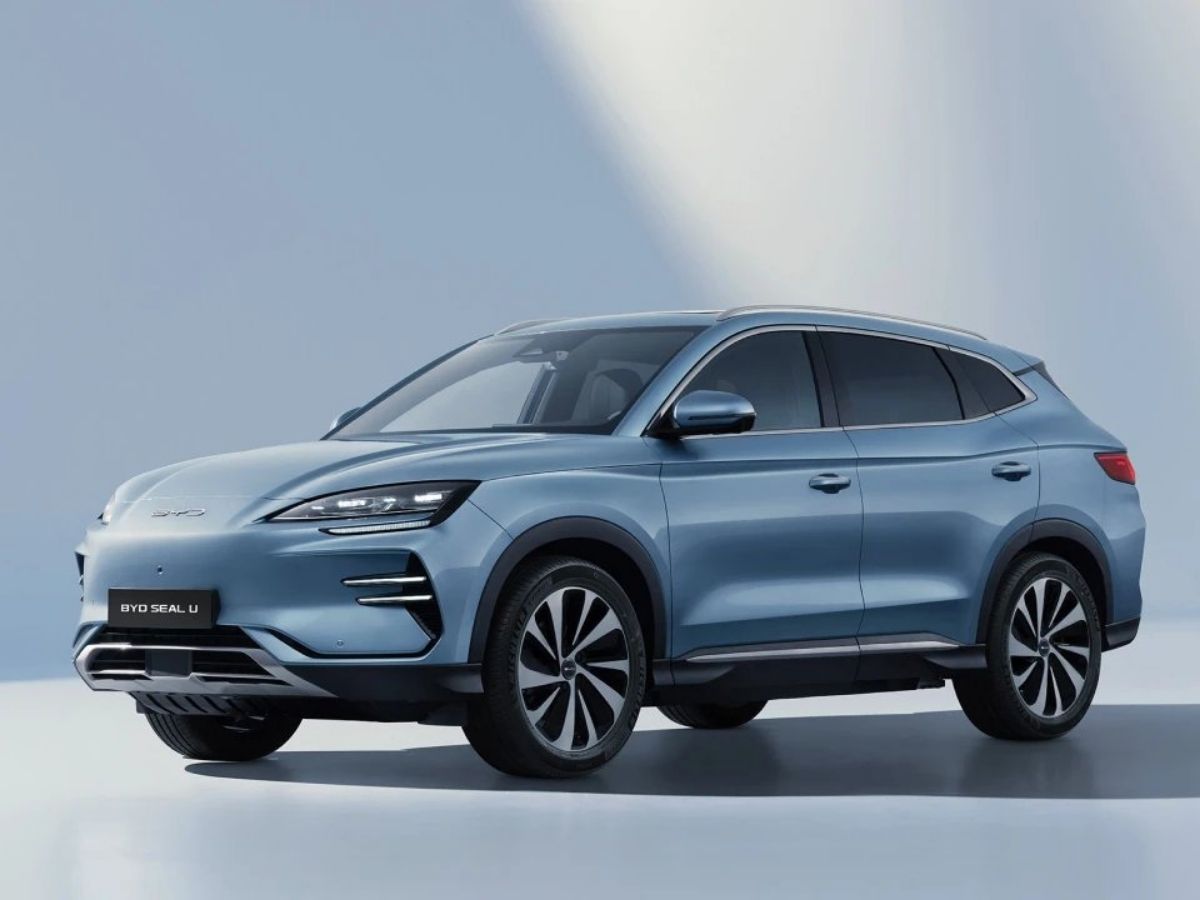
Chinese automobile manufacturer BYD has unveiled its DM-i plug-in hybrid technology in India, and it’s a big deal. This company has spent a long time developing fully electric cars, so the fact that it’s releasing a hybrid shows it just isn’t convinced that every Indian car buyer is ready to step fully into electric vehicles yet. The headline number is 1,200 kilometres of combined range. That number means you’re basically never going to have range anxiety again, which is probably the point.
Electric first, petrol when necessary
DM-i is different from the kind of hybrids you’ll be used to seeing. The petrol engine isn’t really the focus here, it’s the electric motor which does most of the work. The petrol engine just stays in reserve for highway cruising, when you need to really sprint, or to recharge the battery. On the road, you could drive around for days without it ever being started. And even likely without pulling into a petrol station.
There are three modes. Pure EV for daily urban use. Series hybrid, where the petrol engine runs as a generator to charge the battery without touching the wheels. And parallel mode, where both work together when you need the extra push. The 1.5-litre petrol engine claims a thermal efficiency of 43.04 per cent, which is genuinely impressive for a petrol engine in any context.
The practical result is a car that drives like an electric vehicle most of the time but never leaves you stranded on a long highway run.
BYD has been doing this longer than most people realise
The company traces its hybrid work back to 2008, when it showed the F3DM at the Geneva Motor Show. BYD calls it the world’s first mass-produced plug-in hybrid, and there is not much argument on that front. Since then, it has sold over 8 million plug-in hybrids globally and claims around 35% of the worldwide PHEV market. That is not a company experimenting with hybrids. That is a company that has been at this for nearly two decades.
Where BYD stands in India right now
The India story is still being written. BYD currently has 48 shops across 40 cities and about 14,000 customers. It has invested more than $200 million (around Rs 1,906 crore) in two manufacturing sites covering over 140,000 square metres in the country. That is heavy infrastructure for a market where the brand is still a relative newcomer to most buyers.
With DM-i already officially launched, BYD’s 2026 product plans now involve new plug-in hybrid models, of course. The message is simple: you’ll experience all the ease of a full electric car without any anxiety that you’ll run out of charge. For a market where the charging infrastructure is still on the back foot, that is probably exactly the right message to focus on.
Syed Ziyauddin is a media and international relations enthusiast with a strong academic and professional foundation. He holds a Bachelor’s degree in Mass Media from Jamia Millia Islamia and a Master’s in International Relations (West Asia) from the same institution.
He has work with organizations like ANN Media, TV9 Bharatvarsh, NDTV and Centre for Discourse, Fusion, and Analysis (CDFA) his core interest includes Tech, Auto and global affairs.
Tweets @ZiyaIbnHameed





