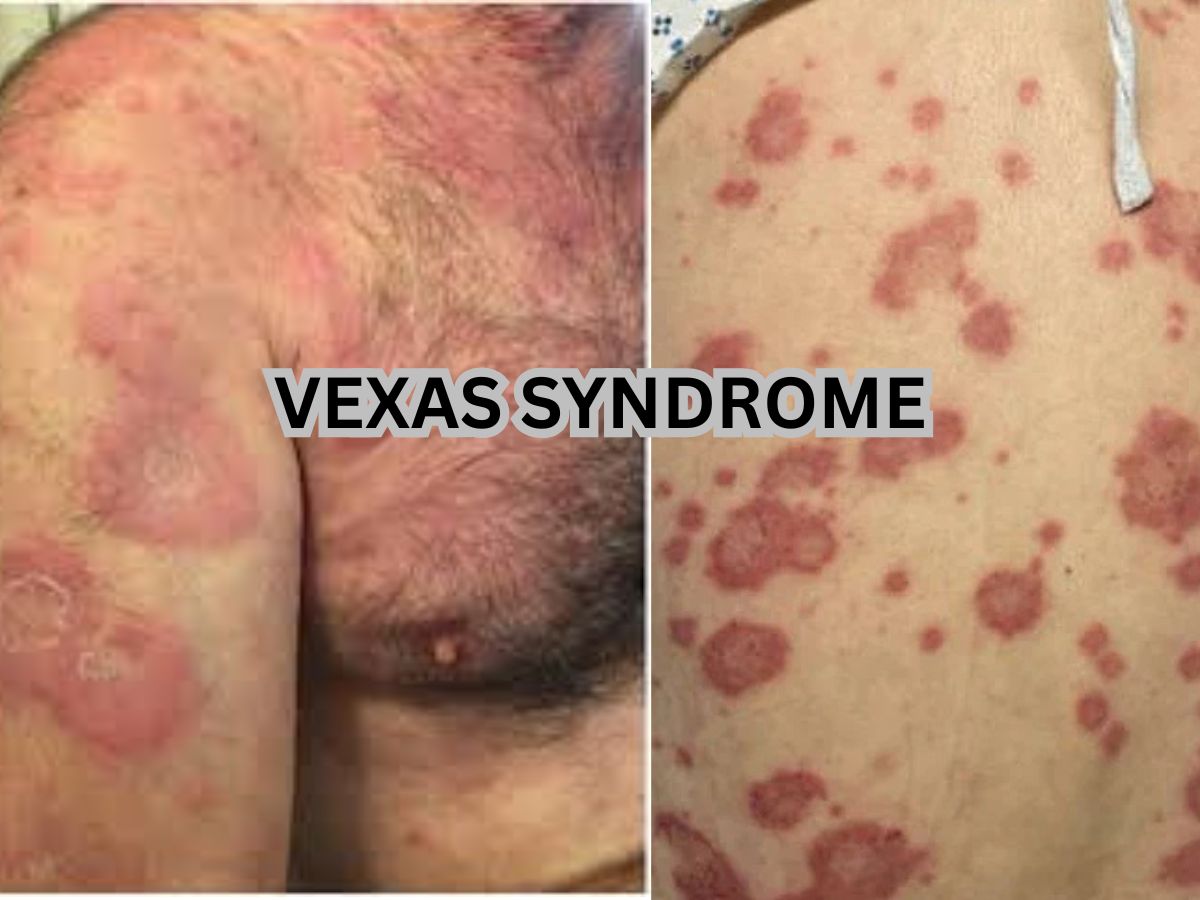

VEXAS syndrome is a newly described adult-onset autoinflammatory disorder, predominantly affecting males (median age, 68), and recognized by somatic mutations in the UBA1 gene in blood-forming cells of the X chromosome. This rare disease causes systemic inflammation and abnormalities in the blood, with high morbidity and mortality when untreated.
Causes
- VEXAS is usually infected by an acquired mutation in the UBA1 gene. This disease is not inherited or passed to children.
- The mutated gene easily disrupts normal immune and blood cell functions. This may also lead to abnormal activation of inflammatory pathways and immune responses.
Symptoms
- Often feeling like having fevers and extreme fatigue.
- You may also feel skin rashes which are painful, swelling, inflammation in the ears, nose, joints, and blood vesels. It can also disesased to people with arthritis.
- People usually feel breathing issues like cough, lung inflammation and shortness of breathe.
- You may also have issues related blood like increase in red blood cells(macrocytic anemia), low blood cells. You may also experiencing the risk of increasing serious condition such as myelodyplastic syndrome or leukemia.
- You may aslo feel enlarged lymph nodes, blood clots, and problems in the bone marrow.
Prevention
- Currently, there is no known way of preventing VEXAS syndrome. It occurs randomly and has nothing to do with lifestyle or family history.
- Due to the overlapping nature of symptoms of VEXAS with those of other inflammatory conditions, early detection is challenging.
- Medical management involves treating symptoms with steroids and immunosuppressive agents and, in some extreme cases, bone marrow transplants; research is in progress to find ways to improve the quality of life.
- Any unexplained fever, rashes, or difficulty in breathing must be treated as an emergency and deserves prompt expert attention.
VEXAS syndrome has been defined by mutations in the UBA1 gene and represents a rare but life-threatening condition affecting mainly men over the age of 50. Thus, early diagnosis of VEXAS is critical, since there is no prevention, and it probably has an overlap with other inflammatory conditions concerning signs and symptoms. Making the diagnosis early on may ease symptoms and ultimately prolong survival with timely diagnosis, appropriate treatment with steroids or immunosuppressants, or definitive therapy with a continued option of allogeneic bone marrow transplant. This is the most exciting area of research with new therapies, so education about this condition and timely interventions for at-risk patients is paramount.
Disclaimer- This information is for educational purposes only and is not a substitute for professional medical advice. Always consult a healthcare provider for diagnosis or treatment of any medical condition.
Shubhi is a seasoned content writer with 6 years of experience in digital media. Specializing in news, lifestyle, health, sports, space, optical illusions, and trending topics, she crafts engaging, SEO-friendly content that informs and captivates readers. Passionate about storytelling, Shubhi blends accuracy with creativity to deliver impactful articles across diverse domains.