
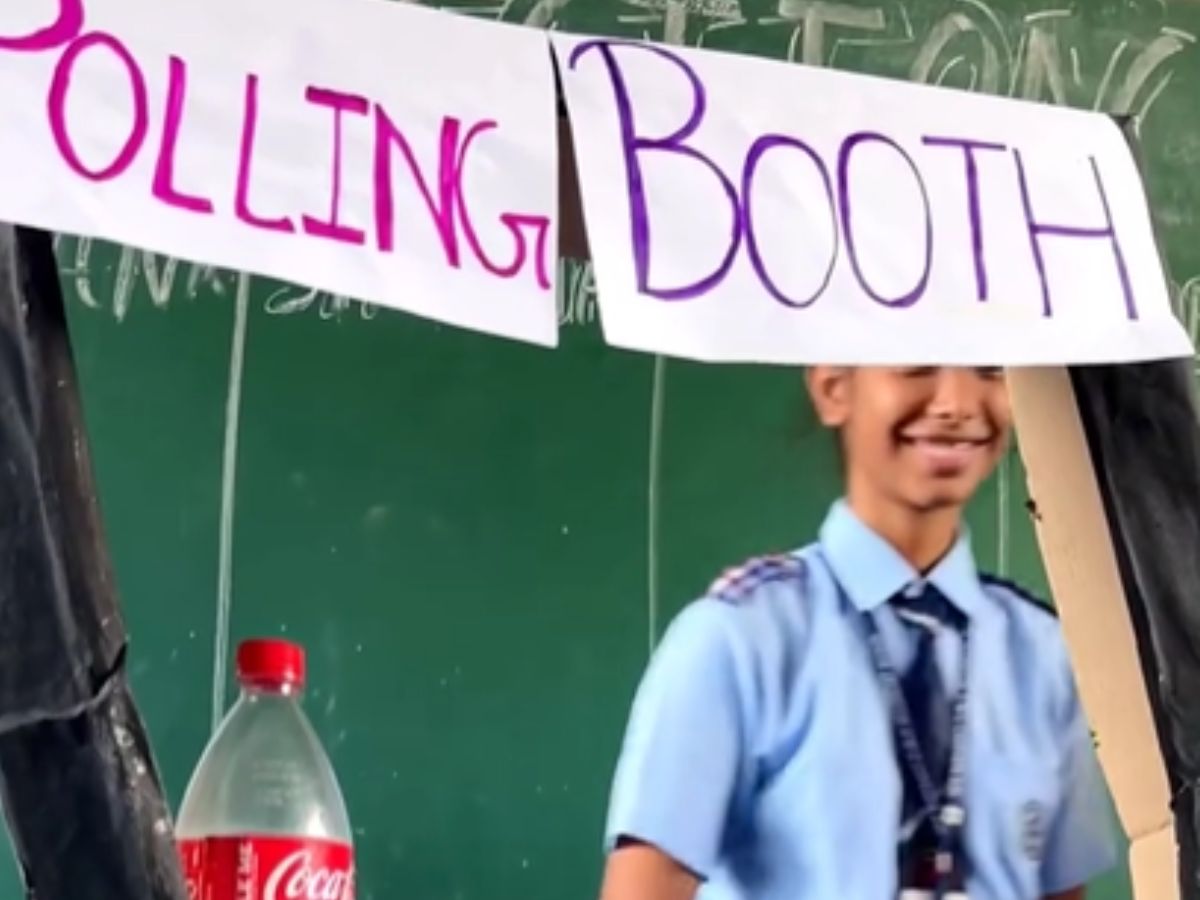

In an innovative attempt to make civics education practical and sporty, a committed teacher in a government school in Delhi has metamorphosed her classroom into a functional ‘mini-democracy’ by introducing regular student polls’. Such pioneering strategies initiated by teacher are to kindle in the young the very buds of governance, preparedness in electoral processes, and responsible citizenship.
The extent to which students engage goes beyond mere theoretical lessons-for students actually go through processes of electing monitors of classes, committing members for such activities as managing libraries and cleanliness, and even electing representatives who’d relay classroom grievances to the authorities.
And so they’ve organized and made cards that are going to enable them to be members of the electoral process, erected mini-ballot boxes for their elections, and established basic procedure for their elections to give them firsthand experiences of what democratic experiences are like.
Student accountability and ownership thus evolve in this active participation instead of passive learning without taking his/her accountability forward into the broader community.
Empowering Young Voters
Youth empowerment is the main aim of this program. During student elections, Ms. Sharma sees to it that students do not have an unfair voice based on their academic performance. Short advertisements precede the elections, where candidates explain their manifestos in debates, discuss issues related to the class, and teach critical thinking as well as respect for other people’s opinions.
Students will be conducting their vote through secret balloting to ensure confidentiality and unbiasedness to simulate the real-world elections to which this activity is likened. This serves not only as a vote lesson but as a lesson on how to choose good leaders.
The purpose is to create a generation that appreciates the power of their vote and the accountability that goes hand in hand with such electoral decisions.
Fostering Civic Responsibility
Besides the ballots, the initiative is managing civic responsibility very well. Student leaders are made to account for their duties and are going through the challenge of being humane with governance, consensus building, and later conflict resolution. There are procedures for inquiry and even recall (a simplified form of parliamentary motions) when a monitor fails to deliver on promises.
This is a real-time feedback loop that teaches students about being accountable and delivering on commitments. Students experience firsthand an idea of democracy while learning invaluable life skills- co-operation, negotiation, and ethical leadership- going beyond the classroom itself to prepare them as active and responsible citizens in the future.
A recent media graduate, Bhumi Vashisht is currently making a significant contribution as a committed content writer. She brings new ideas to the media sector and is an expert at creating strategic content and captivating tales, having working in the field from past four months.




