
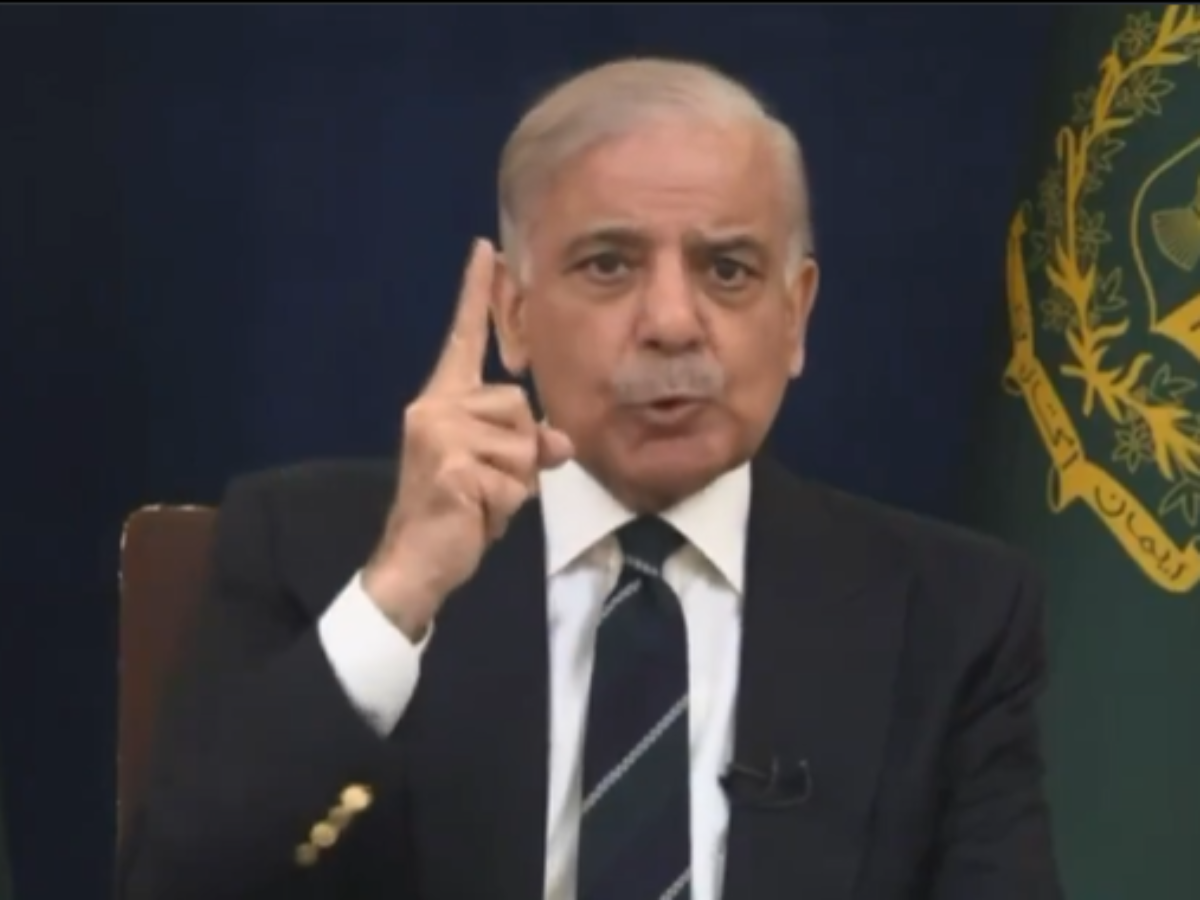

Pakistan’s economy is under extreme pressure as a result of the conflict between the US, Iran, and Israel. Higher oil prices, disrupted energy supplies, and the associated cost increases have forced Pakistan’s fragile economy into additional turmoil as the government implements severe anti-austerity measures. Prime Minister Shehbaz Sharif has ordered major salary cuts in all state-owned companies as one measure to address the rising costs of fuel.
One of the greatest indicators of financial strain in Pakistan is the approval by the government of salary reductions of 5-30% for all employees in state-owned and autonomous companies and institutions to reduce expenses and absorb some of the economic impacts from the war-related fuel crisis.
Heavy Dependence on Imported Oil
Pakistan imports almost all of its oil and the continuing increase in global oil prices due to conflict in West Asia, the government is under tremendous pressure to handle higher costs for importing oil and has almost no foreign exchange reserves available to pay those higher costs. Analysts feel that these austerity measures provide further proof of the fiscal strain on Pakistan’s economy and that there is little ability to absorb the shock of a sudden increase in energy prices.
In addition, the government has taken emergency measures to cut fuel usage and reduce government expenditure. For example, public offices have implemented a four-day working week, many schools have closed down and a number of departments have begun to allow employees to work at home.
Cuts in Government Fuel Use
The government has also ordered that all vehicles registered as part of the Government Vehicle Fleet will only receive 50% of their previous fuel allocation and is removing approximately 60% of total government-owned vehicles from operation as part of this initiative to conserve energy.
The financial impact of this is significant already on The Pakistani consumer, with fuel prices recently rising around 20% to approximately PKR 321 per litre (one of the highest in the history of The Country). This spike in fuel prices has created panic buying and long lines for fuel at service stations in large urban areas such as Karachi and Lahore.
Long-Running Economic Struggles
The economic problem of Pakistan has made it particularly vulnerable to international disruptions of oil supply due to the country’s ongoing financial crisis (the country has been afflicted with high inflation, currency devaluation and balance of payments problems over the last few years), and was even close to a sovereign default earlier in the decade.
The ongoing conflict also affects shipping lanes essential for the shipment of oil into Pakistan, such as the Strait of Hormuz where a substantial amount of Pakistan’s oil imports flow through. Analysts have expressed concern that an energy crisis resulting from escalating international tension and unstable of global energy markets would drive the already overwhelmed economy of Pakistan into a deeper level of financial emergency if oil supply disruptions continue.
Khalid Qasid is a media enthusiast with a strong interest in documentary filmmaking. He holds a Master’s degree in Convergent Journalism from AJK MCRC. He has also written extensively on esports at Sportsdunia. Currently, he covers world and general news at NewsX Digital.




