
US President Donald Trump has unveiled a controversial new initiative, a so-called ‘Board of Peace’ aimed at overseeing governance and reconstruction in postwar Gaza.
While the White House has described it as an unprecedented international effort to stabilise the war-ravaged territory, Israel has raised objections, saying several appointments were made without its consent and contradict its security policy.
What Is Trump’s ‘Board of Peace’ for Gaza?
According to the White House, the plan envisions multiple governing bodies that would temporarily replace Hamas in Gaza and supervise administration, reconstruction and investment following the war.
These include:
-
A main Board of Peace, chaired by Trump himself
-
A founding executive board focused on foreign relations and investment
-
A Palestinian technocratic body, the National Committee for the Administration of Gaza (NCAG), tasked with day-to-day governance
Trump has called the initiative part of his broader 20-point plan to end the Gaza war.
Who Is on the ‘Board of Peace’?
The White House has confirmed several high-profile figures from politics, finance and diplomacy.
Confirmed members include:
-
Donald Trump, US President (Chair)
-
Marco Rubio, US Secretary of State
-
Steve Witkoff, Trump’s special negotiator
-
Jared Kushner, Trump’s son-in-law
-
Tony Blair, former UK Prime Minister
-
Marc Rowan, US billionaire financier
-
Ajay Banga, President of the World Bank
-
Robert Gabriel, Trump aide on the US National Security Council
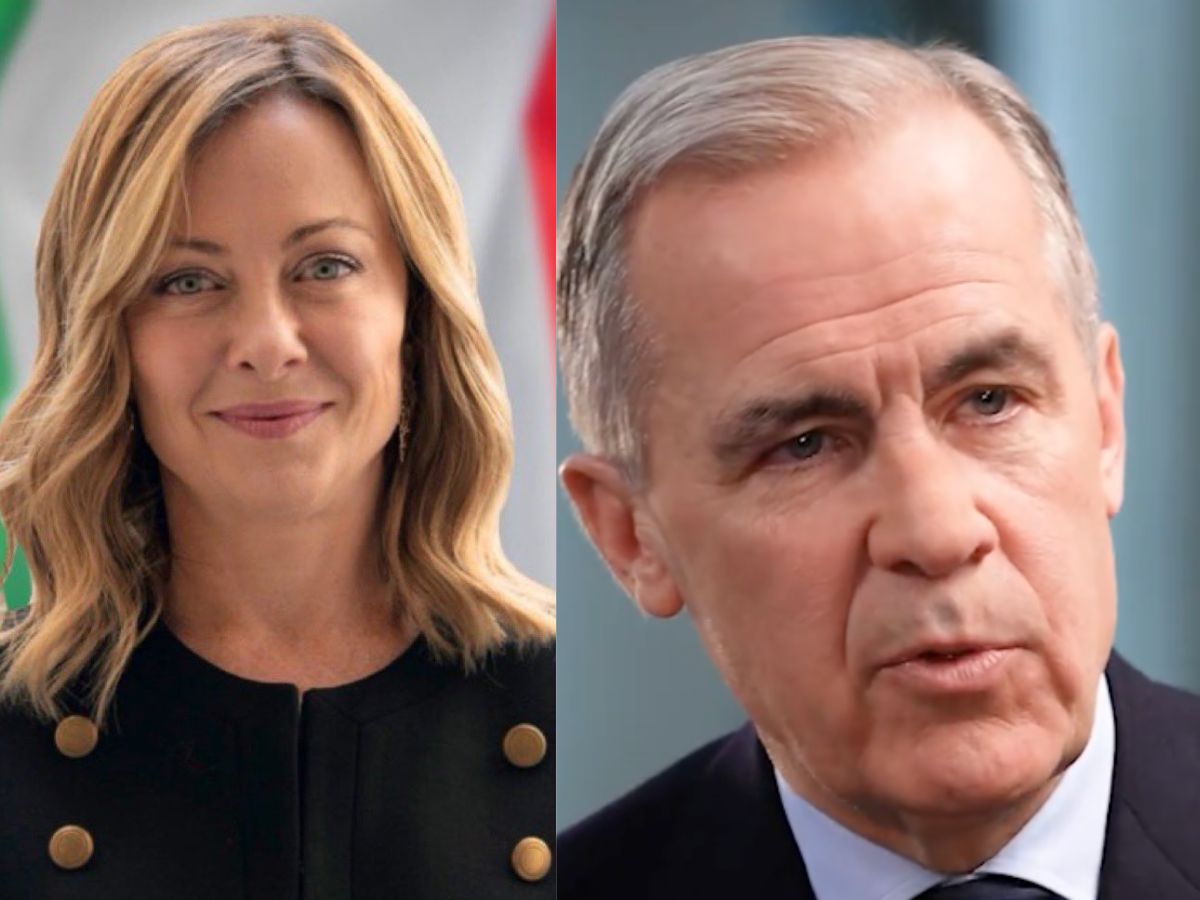
In addition, invitations have reportedly been extended to global leaders, including:
-
Giorgia Meloni, Prime Minister of Italy
-
Mark Carney, former Bank of England governor
-
Recep Tayyip Erdoğan, President of Turkey
-
Abdel Fattah al-Sisi, President of Egypt
-
Javier Milei, President of Argentina
Not all invitees have publicly confirmed their participation so far.
What Is the National Committee for the Administration of Gaza?
The NCAG is expected to function as a technocratic governing authority inside Gaza. According to the White House, it will:
-
Restore core public services
-
Rebuild civil institutions
-
Stabilise daily life for Palestinians
Tony Blair welcomed the move, calling the committee a “massive step forward” and saying it could offer Gazans a future “different from the past.”
Why Is Israel Concerned and Unhappy?
Israel has formally objected to the composition of the board, saying some appointments were “not coordinated with Israel and contrary to its policy.”
Israeli Prime Minister Benjamin Netanyahu has instructed the foreign minister to raise concerns directly with US Secretary of State Marco Rubio. While Israel has not publicly named specific individuals it opposes, officials have previously objected to: Turkey playing any role in Gaza’s future security framework, The inclusion of figures seen as sympathetic to Palestinian political positions.
Israel has also expressed unease about international governance structures that could limit its military or security freedom in Gaza.
Gaza War Context and Ceasefire Challenges
The board’s announcement comes as a fragile US-brokered ceasefire enters its second phase. Key unresolved issues include:
-
The disarmament of Hamas
-
Reconstruction funding
-
Deployment of an international security force
Hamas has not agreed to disarm, and the structure of any security force remains unclear.
Despite the ceasefire, Israeli military operations continue, with hundreds of Palestinians reportedly killed since October. Severe humanitarian conditions persist, with food shortages, destroyed housing and winter-related deaths reported across Gaza.
The final makeup and authority of Trump’s ‘Board of Peace’ remain uncertain. Acceptance from invited leaders, coordination with Israel and Palestinian buy-in will be critical to whether the initiative moves beyond announcement into implementation.
For now, the plan has highlighted deep diplomatic fault lines even among US allies over who should shape Gaza’s postwar future.
ALSO READ: ‘Cannot Be Blackmailed’: How European Countries Reacted To Trump’s 10% Tariff Threat Over Greenland
Sofia Babu Chacko is a journalist with over five years of experience covering Indian politics, crime, human rights, gender issues, and stories about marginalized communities. She believes that every voice matters, and journalism has a vital role to play in amplifying those voices. Sofia is committed to creating impact and shedding light on stories that truly matter. Beyond her work in the newsroom, she is also a music enthusiast who enjoys singing.