
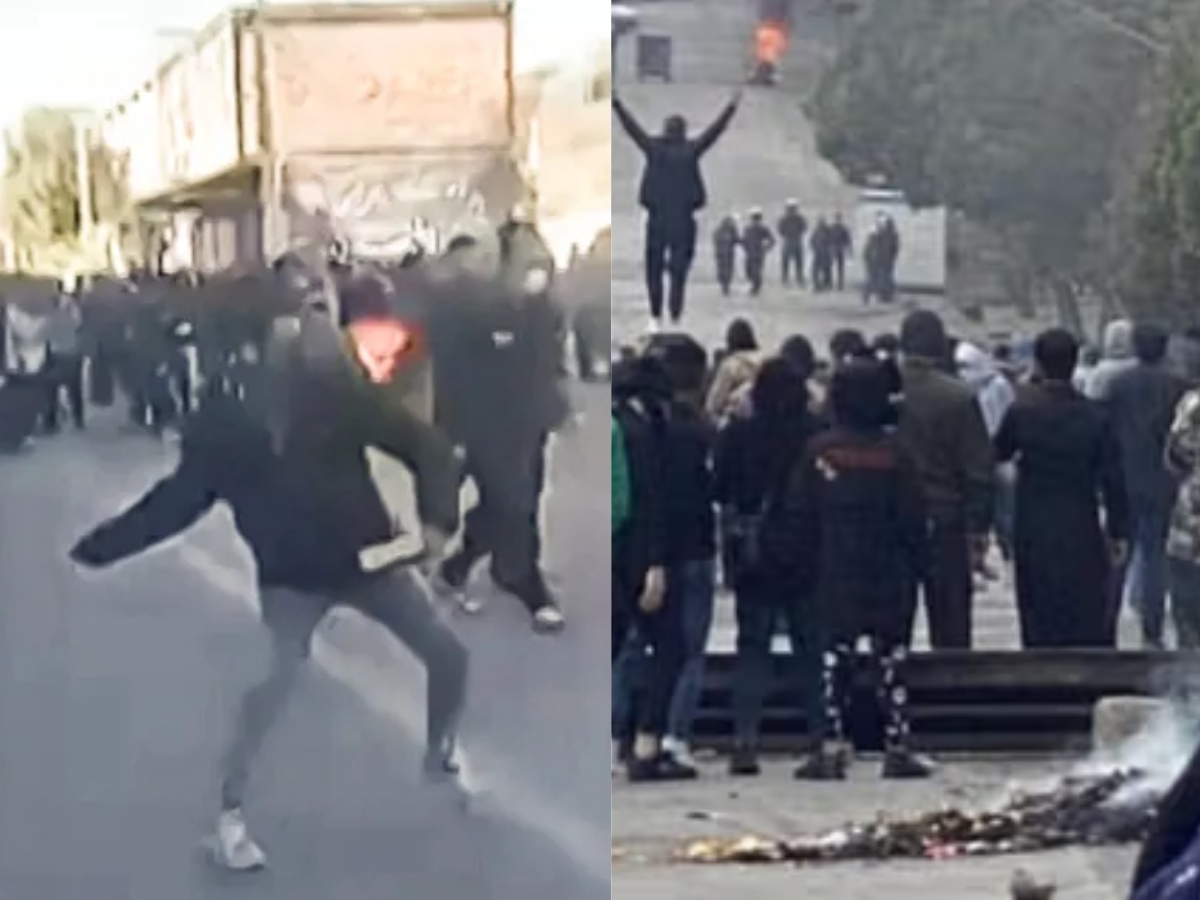

Iran protests are swelling with the death toll rising to 36. On Tuesday, thousands of Iranians poured into the streets again as the country’s largest protests in years entered their 10th consecutive day, fueled by deepening anger over a collapsing economy and a government stimulus plan widely seen as inadequate.
The fresh wave of demonstrations came a day after authorities announced a modest monthly cash assistance program.
Iran Announces $7.70 Monthly Payment
On Monday, Iranian officials said around 80 million eligible citizens would receive 10 million Iranian rials per month, an amount worth approximately $7.70 at real exchange rates.
Government spokeswoman Fatemeh Monajerani announced the measure during a televised address, saying the funds would be distributed through direct deposits in the form of a credit.
She said the assistance could be used to purchase basic household necessities and was intended to help “reduce the economic pressure on the people.”
The plan involves redirecting nearly $10 billion previously spent each year on subsidizing select imports. According to the New York Times, the government hopes the shift will help ease inflation and improve access to food as living costs surge.
Iran Protests: Death Toll Rises Amid Escalating Unrest
The demonstrations have turned increasingly volatile. At least 36 people, including 34 protesters and two members of Iran’s security forces, have been killed since the unrest began, according to the Human Rights Activists News Agency.
More than 1,200 people have also been detained during the crackdown, the agency reported.
Iran Currency Collapse and Inflation Deepen Crisis
Iran’s economic woes have been compounded by a historic collapse of its national currency. On Tuesday, the rial was trading at a record low of 1.46 million to the US dollar. By comparison, the exchange rate stood at around 430,000 rials to the dollar in 2002.
Inflation has also surged sharply. Prices of food and essential goods have soared as the inflation rate climbed to at least 42.2% compared to the same period last year.
Further straining the economy, the United Nations imposed new sanctions on Iran in September, pushing the country deeper into economic distress.
Iran Protests Spread Nationwide Since December
The protests began on December 28 in Tehran and quickly spread to dozens of cities across the country. The demonstrations have been largely led by traders, shopkeepers, and university students, many of whom say daily life has become unaffordable amid soaring prices and a rapidly weakening currency.
In several cities, rallies escalated into fierce confrontations, with demonstrators openly calling for the removal of Supreme Leader Ali Khamenei, who is 86 years old.
Security forces have responded forcefully in some instances, firing tear gas and plastic bullets to disperse crowds.
Donald Trump Issues Warning as Unrest Grows In Iran
As tensions intensified, US President Donald Trump weighed in on the crisis on Friday, issuing a stark warning to Iranian authorities.
“If Iran shots [sic] and violently kills peaceful protesters, which is their custom, the United States of America will come to their rescue,” Trump said.
“We are locked and loaded and ready to go,” the president added, without providing further details.
Zubair Amin is a Senior Journalist at NewsX with over seven years of experience in reporting and editorial work. He has written for leading national and international publications, including Foreign Policy Magazine, Al Jazeera, The Economic Times, The Indian Express, The Wire, Article 14, Mongabay, News9, among others. His primary focus is on international affairs, with a strong interest in US politics and policy. He also writes on West Asia, Indian polity, and constitutional issues. Zubair tweets at zubaiyr.amin




