

Iranian lawmakers have cast doubt on Pakistan’s ability to mediate in the ongoing war in West Asia, with concerns centred on Islamabad’s perceived alignment with the United States.
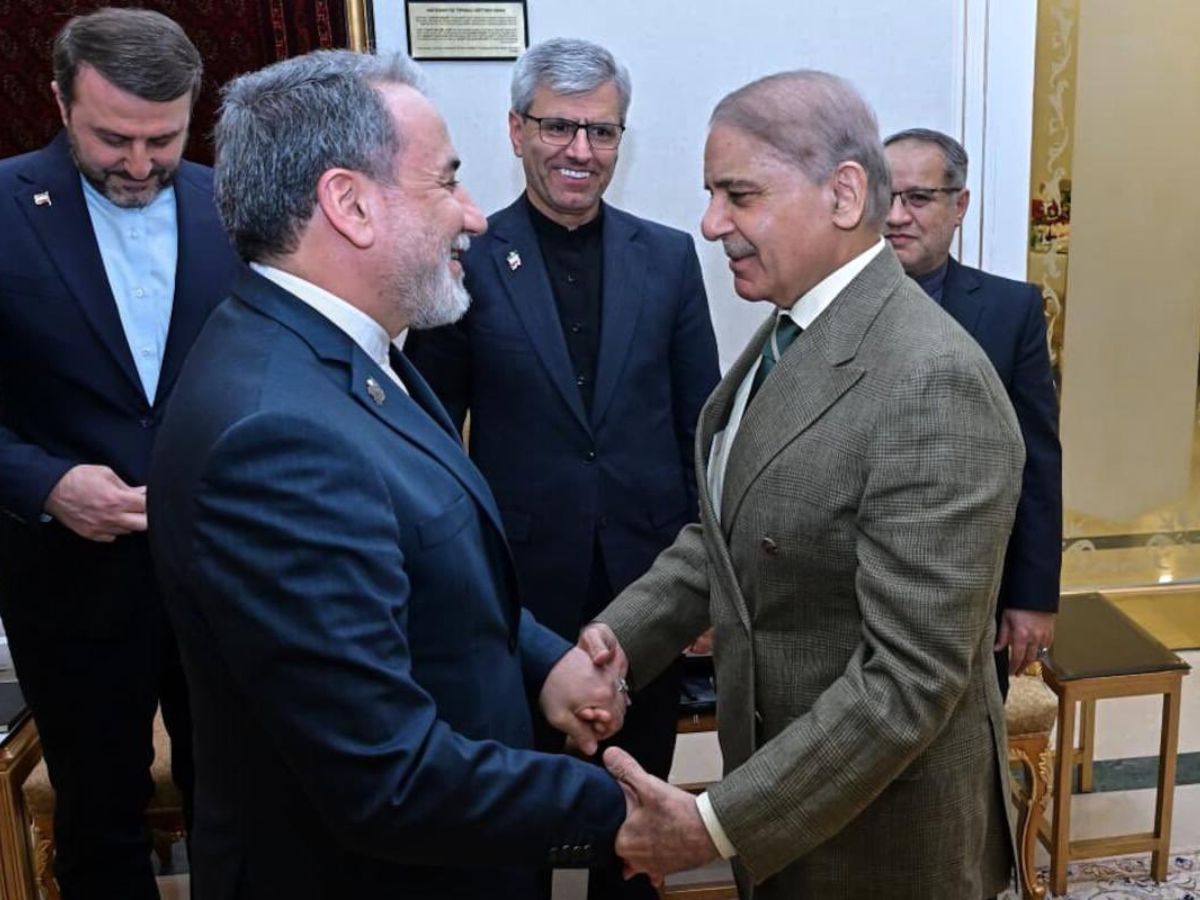
Ebrahim Rezaei, a Member of Parliament from Iran’s Dashtestan, described Pakistan as a “good friend” and “neighbour” but questioned its credibility as a neutral intermediary. Rezaei’s remarks came after Iran did not participate in the second round of negotiations. Despite this, Iranian Foreign Minister Seyed Abbas Araghchi travelled to Islamabad on Saturday, his second visit to Pakistan within three days. During the visit, Araghchi held discussions with Pakistan Army Chief General Asim Munir and Prime Minister Shehbaz Sharif before departing for Oman and Russia.
“Pakistan is a good friend and neighbor of ours, but it is not a suitable intermediary for negotiations and lacks the necessary credibility for mediation. They always take Trump’s interests into account and do not say a word against the Americans’ wishes,” Rezaei wrote in a post on X.
Iran Says Pakistan Works For US, Trump
He further criticised Pakistan for what he described as its reluctance to challenge Washington’s stance.
“For example, they are unwilling to tell the world that America first accepted Pakistan’s proposal but then went back on its word. They do not say that the Americans had commitments regarding the issue of Lebanon or the blocked assets but failed to fulfill them. A mediator must be impartial, not always leaning to one side,” he added.
پاکستان دوست و همسایه خوب ماست اما واسطه مناسبی جهت مذاکرات نیست و اعتبار لازم را برای واسطهگری ندارد. آنها همیشه مصلحت ترامپ را در نظر میگیرند و برخلاف میل آمریکاییها حرفی نمیزنند بطور مثال حاضر نیستند به دنیا بگویند که آمریکا ابتدا پیشنهاد پاکستان را پذیرفت اما بعد زیر حرفش…
— ابراهیم رضایی (@EbrahimRezaei14) April 26, 2026
The diplomatic efforts appeared to lose momentum after Washington cancelled the second round of talks with Iran in Pakistan. In an interview with Fox News, US President Donald Trump said Iran could initiate contact if it wished to resume discussions with Washington.
Key Demands and Disputes Of Iran and US
A central issue in the standoff remains Iran’s demand that the United States lift its blockade in the Strait of Hormuz.
Tehran has also rejected claims made by Trump that it is prepared to sell its enriched uranium to the United States.
Following engagements with mediators in Pakistan and Oman, countries that have facilitated backchannel diplomacy, Araghchi is now heading to Russia for high-level talks with President Vladimir Putin.
According to an Axios report, Iran has proposed a deal aimed at reopening the Strait of Hormuz and ending what it describes as a US war against the country. The proposal also includes delaying nuclear negotiations.
The plan, conveyed through mediators during Araghchi’s recent visits, prioritises lifting the US blockade and restoring maritime shipping routes.
Impact of the Blockade of Strait of Hormuz on Iran
The ongoing blockade has had a significant impact on maritime activity. According to the United States Central Command, a two-week US blockade has prevented 38 ships from entering or leaving Iranian ports.
The command stated that American forces instructed the vessels to turn back or return to port, though it did not disclose the exact locations where these interceptions occurred.
Zubair Amin is a Senior Journalist at NewsX with over seven years of experience in reporting and editorial work. He has written for leading national and international publications, including Foreign Policy Magazine, Al Jazeera, The Economic Times, The Indian Express, The Wire, Article 14, Mongabay, News9, among others. His primary focus is on international affairs, with a strong interest in US politics and policy. He also writes on West Asia, Indian polity, and constitutional issues. Zubair tweets at zubaiyr.amin





