
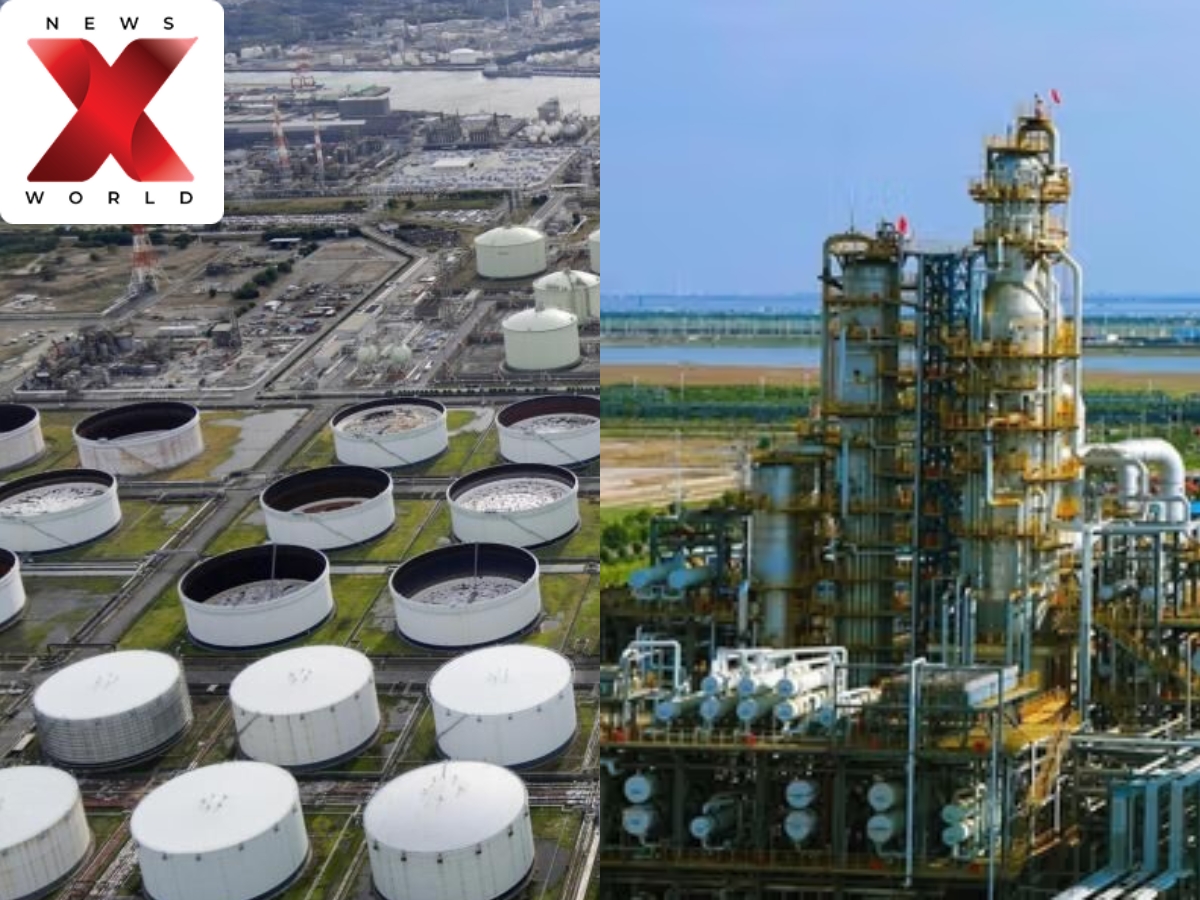

The ongoing war between the United States and Iran has entered its second week, triggering renewed debate over Washington’s strategic objectives in the region, particularly its potential interest in Iran’s oil resources and the security of the vital Strait of Hormuz.
The war began after US and Israeli airstrikes on Iranian targets, prompting retaliatory drone and missile attacks from Tehran. The escalating hostilities have already resulted in the deaths of six US service members and injuries to 18 others. Meanwhile, gasoline prices in the United States have climbed close to $4 per gallon amid mounting tensions in global energy markets.
Will US Seize Iranian Oil Reserves?
Jarrod Agen, executive director of the White House National Energy Dominance Council, said the United States could seek to control Iran’s oil resources as a way to neutralise threats to global energy shipments through the Strait of Hormuz.
Speaking on Fox Business, Agen argued that such a strategy could deliver long-term strategic gains for Washington.
He compared the potential outcome to a previous U.S. operation that captured Venezuelan President Nicolás Maduro in January, describing it as a model for achieving strategic advantage.
The remarks have fueled speculation about whether Washington’s military actions in the region are partly aimed at securing energy assets.
⚡️BREAKING
White House official:
‘US will seize all the oil from Iran’ pic.twitter.com/nI87Hq4gn1
— Iran Observer (@IranObserver0) March 7, 2026
Critics Claim War In Iran Is About Resources
Amid the escalating conflict, critics have argued that the war is driven by resource interests rather than security concerns.
Several voices on social media have echoed this claim. One user on X wrote, “Oil is the target. Always has been. They already did it to Venezuela. Now Iran is next. Anyone without nukes is on the list.”
Speculation about a potential expansion of the conflict has also been fueled by reports from The Washington Post indicating early signs that President Donald Trump may be preparing to deploy US troops against Iran.
According to the report, the US Army abruptly canceled a major training exercise involving the Headquarters Element of the 82nd Airborne Division at Fort Bragg in North Carolina.
Soldiers trained in ground combat and other specialised missions could potentially be sent to the Middle East as the conflict intensifies.
However, the White House has dismissed suggestions of a full-scale invasion.
Oil Prices Surge As Tanker Traffic Stalls
The war has already disrupted energy markets significantly.
US oil prices have surged 28 percent this week, climbing above $86 per barrel as Iranian attacks on tankers have effectively halted shipping through the strait. Brent crude prices have also risen sharply, jumping 22 percent to $89 per barrel.
Analysts on Wall Street warn that if the Strait of Hormuz remains closed for an extended period, global oil prices could rise above $100 per barrel. Such a spike, they say, could push the global economy toward recession.
Energy markets have already been rattled by the slowdown in shipping through the strait, with businesses worldwide feeling the ripple effects.
Zubair Amin is a Senior Journalist at NewsX with over seven years of experience in reporting and editorial work. He has written for leading national and international publications, including Foreign Policy Magazine, Al Jazeera, The Economic Times, The Indian Express, The Wire, Article 14, Mongabay, News9, among others. His primary focus is on international affairs, with a strong interest in US politics and policy. He also writes on West Asia, Indian polity, and constitutional issues. Zubair tweets at zubaiyr.amin




