
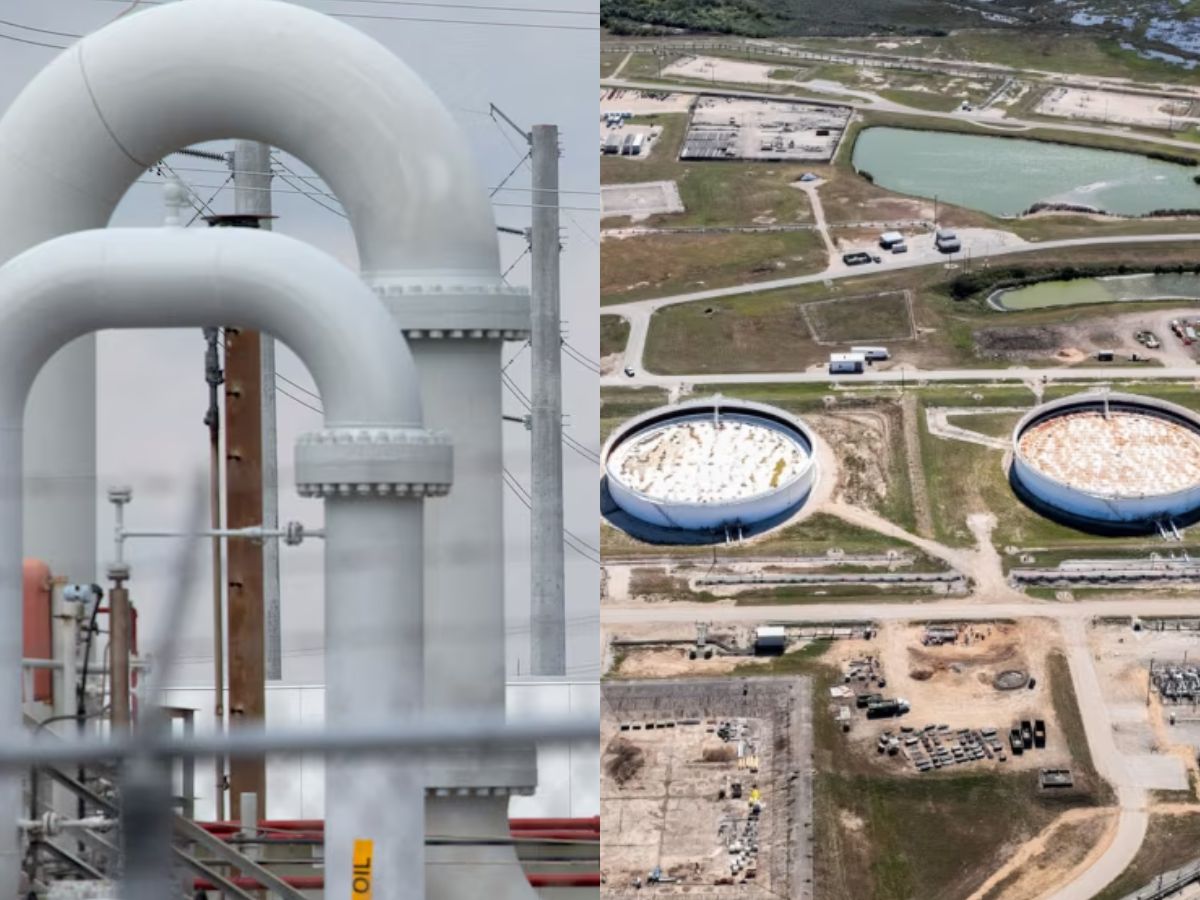

The United States announced it will release 172 million barrels of oil from its strategic petroleum reserve to curb rising prices triggered by the ongoing U.S.-Israeli conflict with Iran, officials said on Wednesday.
Energy Secretary Chris Wright confirmed that the release is part of a larger 400 million-barrel plan coordinated by the International Energy Agency (IEA), which includes 32 member nations.
Release Timeline And Delivery
The oil release is scheduled to begin next week and is expected to take about 120 days to deliver. Wright emphasized that this coordinated move is intended to stabilize global oil markets that have been shaken by disruptions caused by the conflict.
President Donald Trump also addressed the situation, noting that Washington would adjust the reserve levels slightly while assuring that the strategic stockpile would be replenished. “The United States has arranged to more than replace these strategic reserves with approximately 200 million barrels within the next year,” Wright added.
🚨 BREAKING: President Trump has just ordered the Department of Energy to release 172 MILLION BARRELS (5.4B gallons) from the Strategic Petroleum Reserve, per DOE
Trump is using the Reserve for what it was ACTUALLY meant for — preventing hostile nations from blackmailing us… pic.twitter.com/UwpRji2b55
— Nick Sortor (@nicksortor) March 11, 2026
BREAKING: Trump admin. to release 172 million barrels of oil from Strategic Petroleum Reserves pic.twitter.com/XdlaRRWx6O
— BensonNewsHub (@BensonNewsHub) March 11, 2026
Global Impact Of The U.S.-Israeli Attacks On Iran
The U.S. and Israel initiated military strikes on Iran on February 28, prompting retaliatory attacks by Tehran on Israeli and Gulf targets hosting U.S. bases. The escalating conflict has significantly affected energy markets, with fears that Iran’s Islamic Revolutionary Guard Corps could block Gulf oil shipments unless the attacks cease, raising concerns about long-term supply disruptions.
The release from the strategic reserve is aimed at offsetting these market shocks and providing a buffer to protect economies heavily reliant on oil imports.
Strategic And Economic Implications
Analysts say that while the release may provide short-term relief to global oil prices, the ongoing conflict continues to pose risks to energy security and supply chains. Coordinated international efforts through the IEA are intended to reassure markets and prevent further price spikes as tensions persist in the region.
Officials stressed that the combination of U.S. reserves and future production is sufficient to stabilize the market, but close monitoring will continue as the conflict evolves.
(Via Agency Inputs)




