
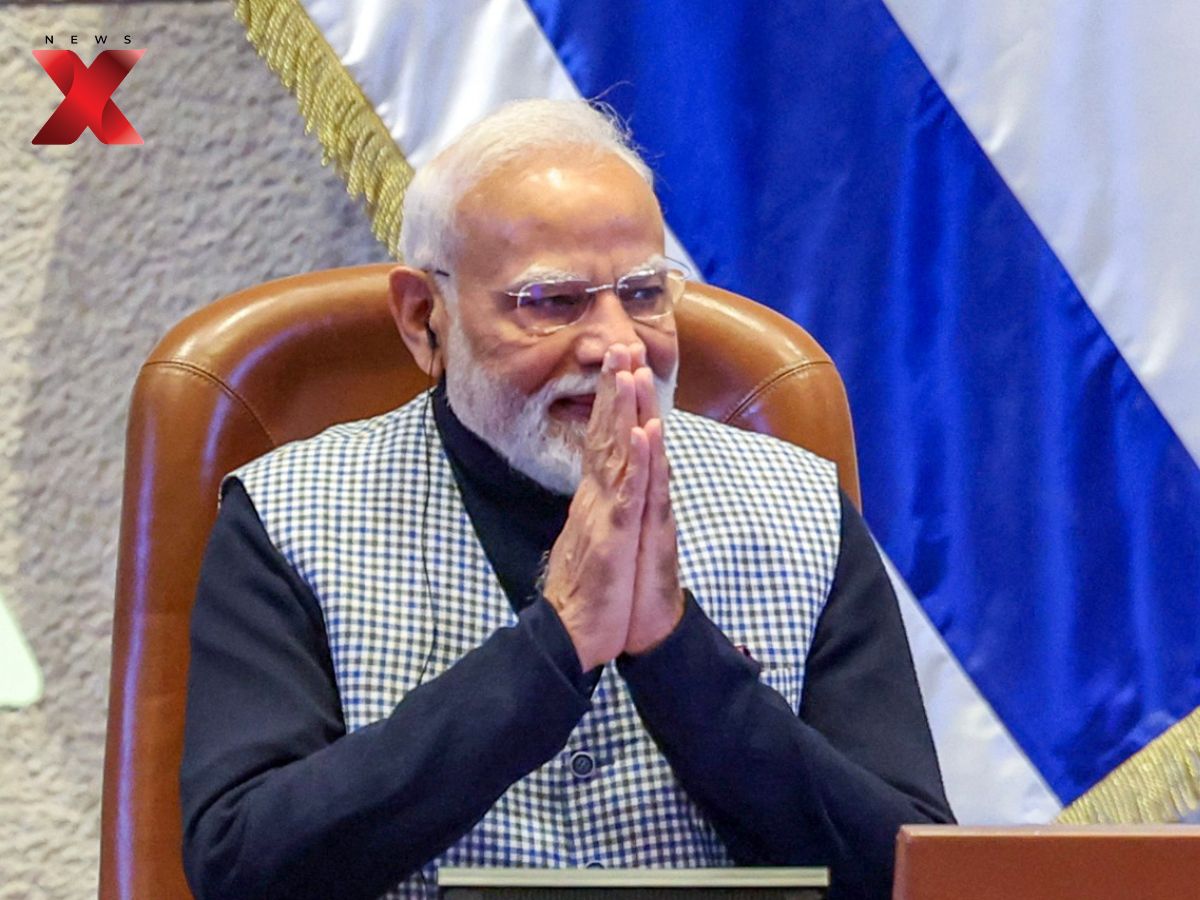

Prime Minister Narendra Modi on Monday held separate phone calls with Saudi Arabia’s Crown Prince Mohammed bin Salman Al Saud and Bahrain’s King Hamad bin Isa Al Khalifa, as tensions in the Middle East escalate following recent attacks.
In these discussions, he strongly condemned the strikes on both countries and highlighted the urgent need for regional stability.
During the conversations, PM Modi also inquired about the safety and well-being of the large Indian community living in Saudi Arabia and Bahrain. His outreach underscores India’s commitment to safeguarding its diaspora amid growing unrest and reflects ongoing diplomatic efforts to address the crisis.
These calls build on PM Modi’s ongoing diplomatic outreach since the conflict erupted involving the United States, Israel, and Iran. On Sunday, he held a telephone conversation with Israeli Prime Minister Benjamin Netanyahu, where he reiterated India’s call for an early cessation of all hostilities in the region to restore peace.
In a parallel engagement that day, PM Modi spoke with United Arab Emirates President Sheikh Mohamed bin Zayed Al Nahyan. He condemned Iranian attacks on Gulf countries and urged immediate de-escalation, while expressing appreciation to the UAE leader for ensuring the safety and well-being of the Indian community there.
These high-level engagements underscore India’s consistent diplomatic push for stability in West Asia and protection of its citizens abroad, even as the situation remains volatile.
The diplomatic efforts follow a critical review by the Cabinet Committee on Security (CCS), chaired by Prime Minister Narendra Modi, on Sunday at his official residence.
The CCS was briefed on the air strikes in Iran on February 28 and the subsequent escalation, including retaliatory attacks in several Gulf countries. The Committee expressed serious concern over the safety and security of the large Indian expatriate community in the region.
It also assessed the difficulties faced by Indian travellers transiting the area, students appearing for scheduled examinations, and the broader implications for regional security, as well as economic and commercial activities.
The CCS directed all concerned departments to take necessary and feasible measures to assist affected Indian nationals. It emphasised the importance of an early cessation of hostilities and a return to dialogue and diplomacy as the path forward.
PM Modi returned to Delhi shortly before the CCS meeting, following a two-day visit to Puducherry and Madurai, where he participated in National Democratic Alliance (NDA) election campaign events ahead of the upcoming Tamil Nadu Assembly elections and inaugurated key central government infrastructure projects in Tamil Nadu focused on national highways and railways to enhance connectivity and drive economic growth.
The CCS deliberations came against the backdrop of coordinated US and Israeli airstrikes across multiple Iranian cities on February 28, targeting military command centres, air-defence systems, missile sites, and key regime infrastructure. These strikes resulted in the death of Iranian Supreme Leader Ayatollah Khamenei and four senior military and security officials, with large explosions reported in Tehran and other major cities.
US President Donald Trump described the strikes as necessary to “ensure that Iran does not obtain a nuclear weapon”.
In response, Iran retaliated by launching ballistic missiles and drones at US assets and allies across the region, including Israel, Bahrain, Kuwait, Qatar, the United Arab Emirates, and Jordan, further widening the conflict in the Middle East and heightening risks for civilians and expatriates alike.
(With ANI Inputs)
Sofia Babu Chacko is a journalist with over five years of experience covering Indian politics, crime, human rights, gender issues, and stories about marginalized communities. She believes that every voice matters, and journalism has a vital role to play in amplifying those voices. Sofia is committed to creating impact and shedding light on stories that truly matter. Beyond her work in the newsroom, she is also a music enthusiast who enjoys singing.




