
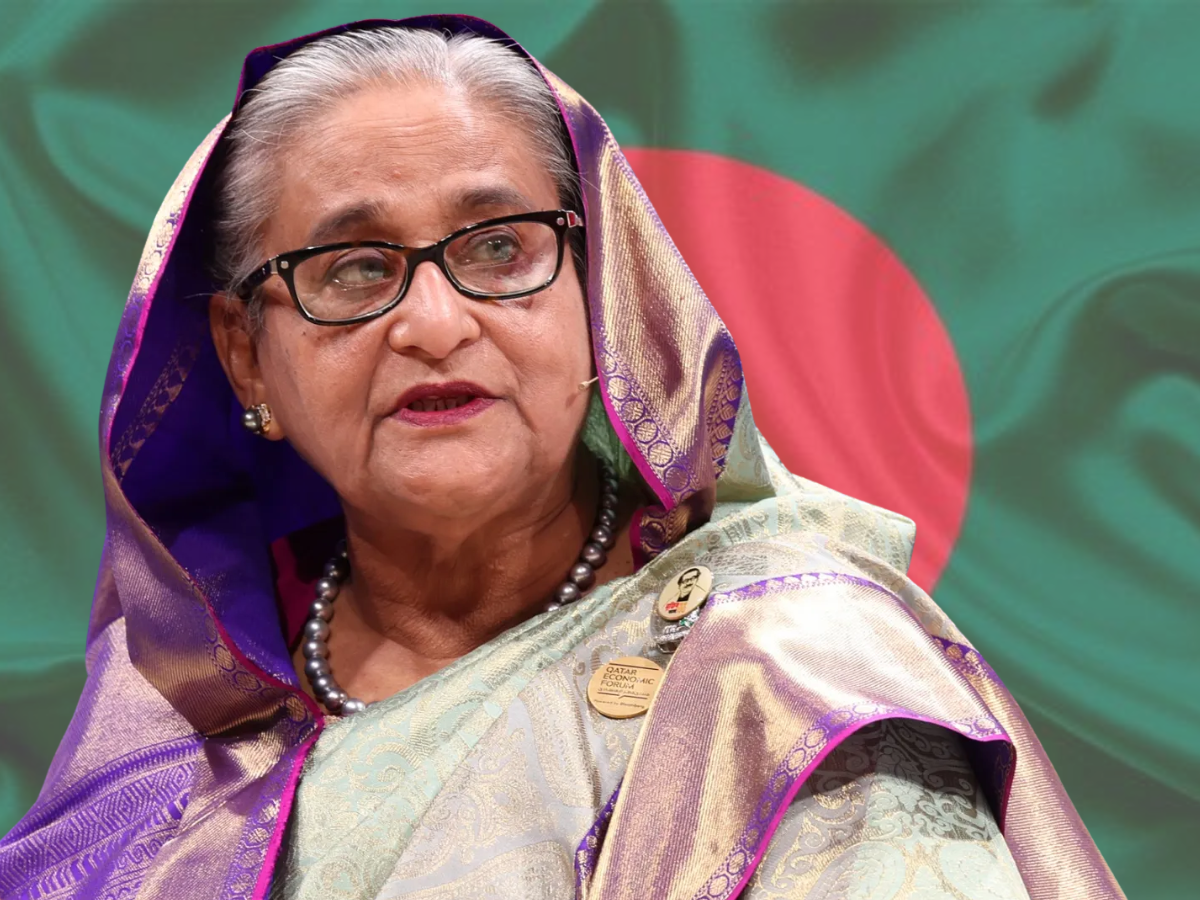

Sheikh Hasina, the former Prime Minister of Bangladesh, was on Monday sentenced to death by the International Crimes Tribunal-1 (ICT-1) for her role in the violence and killings during the July-August 2024 agitation. The verdict also involved two co-accused: former Home Minister Asaduzzaman Khan Kamal and former Inspector General of Police Chowdhury Abdullah Al-Mamun, who faced charges of crimes against humanity.
Sheikh Hasina: Charges and Conviction
Sheikh Hasina was found guilty on three counts:
Preventing justice
Ordering killings
Failing to take measures to stop punitive killings
The tribunal’s judgment highlighted evidence suggesting that Hasina had personally ordered the use of helicopters and lethal weapons against protesters in Dhaka. Reports also noted that her administration allegedly denied medical treatment, admitted victims under false names, concealed bullet injuries, and pressured a doctor to alter the post-mortem report of Abu Sayed.
The sentencing, conducted by the ICT and led by Justice Md Golam Mortuza Mozumder, was broadcast live. The judges read selected portions of the 453-page judgment, divided into six sections, to substantiate Sheikh Hasina’s guilt in the crimes against humanity case.
Will India Extradite Sheikh Hasina? All About India-Bangladesh Extradition Treaty
MEA released a statement on Monday regarding the recent verdict in Bangladesh and stated, “India has noted the verdict announced by the “International Crimes Tribunal of Bangladesh” concerning former Prime Minister Sheikh Hasina. As a close neighbour, India remains commited to the best interests of the people of Bangladesh, including in peace, democracy, inclusion and stability in that country. We will always engage constructively with all stakeholders to that end.”
Notably, Bangladesh Interim Government has asked New Delhi to hand over Hasina to Dhaka as part of extradition treaty between India and Bangladesh.
India and Bangladesh signed an extradition treaty in 2013. The treaty was later revised in 2016 to jointly address insurgency and terrorism concerns along their shared border. The agreement covers the extradition of fugitives and criminals, especially those posing national security risks.
Under the treaty, both countries must extradite individuals charged with or convicted of offences carrying at least a one-year jail term. The principle of dual criminality applies, requiring that the offence be recognised as punishable in both jurisdictions.
The 2016 amendment removed the requirement for evidence, allowing extradition based solely on an arrest warrant issued by a competent court in the requesting state. However, the treaty permits rejection of a request in specific circumstances, including political offences. Crimes such as murder, terrorism-related acts and kidnapping are explicitly not considered political.
Can India Refuse to Extradite Sheikh Hasina?
Although India is legally obligated to honour the treaty, it can deny extradition on valid grounds. According to foreign policy analysts, Bangladesh needs to present solid evidence that Hasina is guilty of the crimes they are accusing her of, as extradition is essentially a judicial process.
The clauses of the bilateral extradition treaty between the two countries, which emphasise on fairness and safety, must also be honoured, observers say.
India can choose to reject the request if it determines that the charges against Hasina were not made in good faith.
Zubair Amin is a Senior Journalist at NewsX with over seven years of experience in reporting and editorial work. He has written for leading national and international publications, including Foreign Policy Magazine, Al Jazeera, The Economic Times, The Indian Express, The Wire, Article 14, Mongabay, News9, among others. His primary focus is on international affairs, with a strong interest in US politics and policy. He also writes on West Asia, Indian polity, and constitutional issues. Zubair tweets at zubaiyr.amin




