
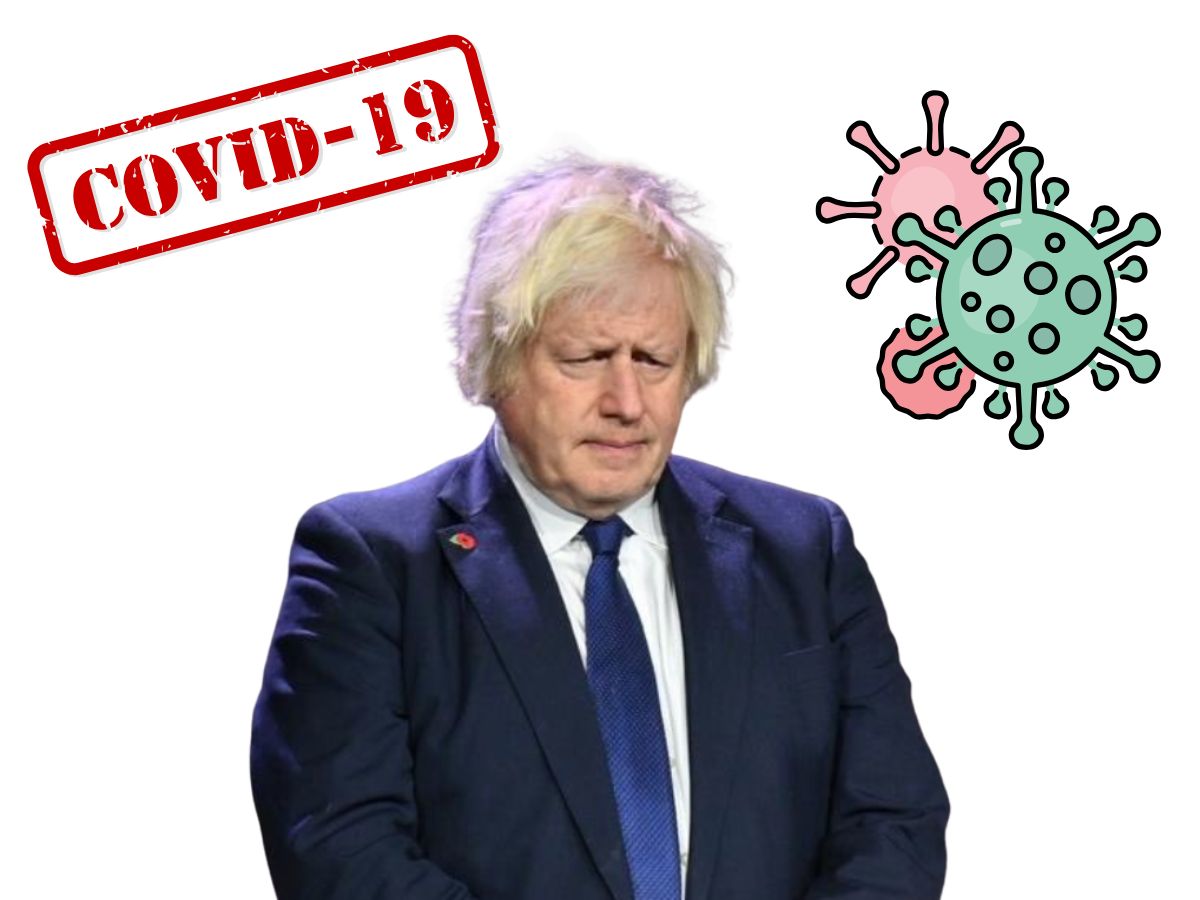

Former British Prime Minister Boris Johnson oversaw a chaotic, indecisive and “toxic” response to the COVID-19 pandemic, leading to delays in imposing lockdowns that resulted in an estimated 23,000 additional deaths, a public inquiry has concluded. The report found that Britain, which recorded more than 230,000 COVID deaths, fared worse than much of western Europe and continues to grapple with the economic fallout.
Launched in May 2021 at Johnson’s own direction, the inquiry delivered a scathing verdict on his leadership, sharply criticising his hesitation, the rule-breaking culture inside Downing Street, and the conduct of his chief adviser Dominic Cummings. It said these failures compounded the crisis and undermined public trust at a critical moment.
Toxic and chaotic culture in government
“There was a toxic and chaotic culture at the centre of the UK government during the pandemic,” the inquiry chair, former judge Heather Hallett, said in her report.
Hallett said if earlier action had been taken to prevent the spread of the virus, lockdown might have been avoided altogether. But she said the failure to act made it unavoidable.
Hallett said Johnson had failed to appreciate the seriousness of the virus after it emerged at the start of 2020, believing it would amount to nothing and was distracted by other government business, with Britain at the time bogged down in talks over its departure from the European Union.
She said he had “reinforced a culture in which the loudest voices prevailed and the views of other colleagues, particularly women, often went ignored, to the detriment of good decision-making.”
When he appeared before the committee in 2023, Johnson said his government had been too complacent and had “vastly underestimated” the risks. He apologised and said he understood the public’s anger.
Johnson did not offer any immediate comment.
A campaign group for bereaved families said “it is devastating to think of the lives that could have been saved under a different Prime Minister”.
Hallett said by the time Johnson announced a lockdown on March 23 it was “too little, too late”, a repeated criticism she levelled at the British government and the devolved administrations of Scotland, Wales and Northern Ireland.
Had Britain locked down just a week earlier on March 16, as the consensus of evidence said it should, the number of deaths in the first wave up to July would have been reduced by about 23,000 or 48%, the report concluded.
A failure to act sooner again as cases rose later in the year also led to further national lockdowns, it added.
Hallett said the inquiry recognised Johnson had to wrestle with profound decisions, but said he repeatedly changed his mind and failed to make timely decisions.
‘Partygate’ scandals
Johnson was forced from office in July 2022, with revelations of parties at Downing Street during COVID lockdowns among the many scandals that ended his premiership.
Both he and Rishi Sunak, the finance minister during the pandemic who later became prime minister, were fined for breaking lockdown rules.
Then health minister Matt Hancock also quit after photos emerged of him kissing and embracing an aide in his office in breach of restrictions. His “truthfulness and reliability” in meetings had also been a cause for concern, the inquiry found.
Some of the harshest language was directed at Cummings, who quit his job in November 2020.
While acknowledging his “commendable” role in helping change policy at the start of the pandemic, he was “a destabilising influence” who “used offensive, sexualised and misogynistic language” and strayed far from his proper role as an adviser.
Cummings told the inquiry that the Cabinet Office, which supports the running of government, had failed during the pandemic. Neither he nor Hancock made any comment on its findings.
Thursday’s report, which included 19 recommendations to improve the country’s response in a future pandemic, is the second tranche of findings by the inquiry. Its first module gave a damning assessment of Britain’s readiness, saying had preparation been better, the financial and human cost might have been less.
(With Reuters Inputs)
ALSO READ: Afghanistan Hit by 4.3-Magnitude Earthquake on November 21 Amid Series of Recent Tremors
Sofia Babu Chacko is a journalist with over five years of experience covering Indian politics, crime, human rights, gender issues, and stories about marginalized communities. She believes that every voice matters, and journalism has a vital role to play in amplifying those voices. Sofia is committed to creating impact and shedding light on stories that truly matter. Beyond her work in the newsroom, she is also a music enthusiast who enjoys singing.




