

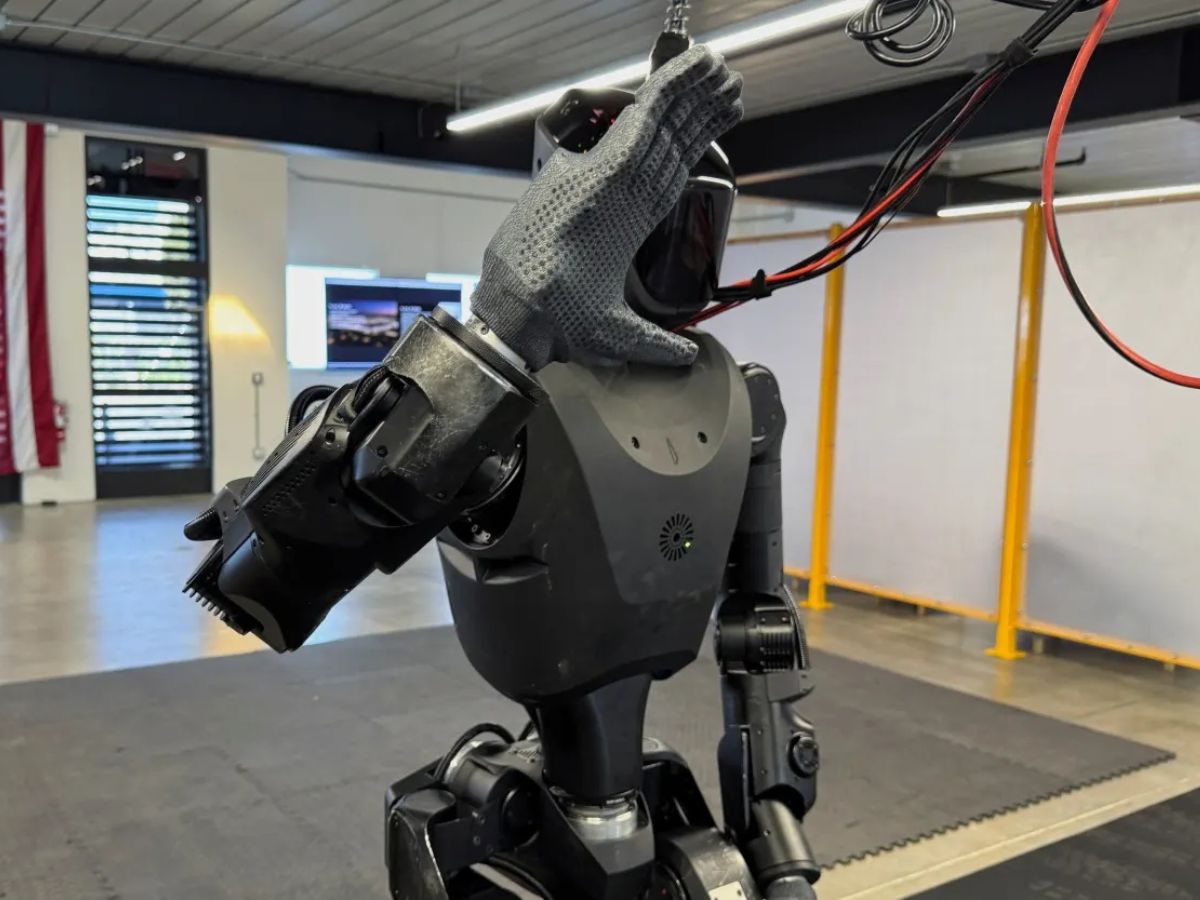
The war in Ukraine is entering a new phase, with machines taking over jobs previously done by soldiers. Ukraine is increasingly relying on advanced technology for its military operations, from explosive-carrying ground robots to remotely operated combat systems, to reduce risks to its troops. Former front-line combat commanders today are directing attacks from secure locations, using live drone feeds and digital control systems. Advances in technology are allowing Ukrainian forces to strike enemy positions without putting personnel in some of the most dangerous areas of the battlefield.
Ukraine’s Shift Toward Robotic Warfare
RT wartranslated “Ukraine is testing humanoid combat robots on the front line. The robots come from Foundation Future Industries, a Trump-linked US startup, and are being trialed against Russian attacks, CNBC reports. pic.twitter.com/cbSyK2QXPd“
— GMan | GMan’s Chronicle (@FAB87F) May 30, 2026
Why Ukraine Is Relying More on Drones and Robots
Ukraine’s growing reliance on automation is primarily a matter of necessity. After more than four years of conflict, the country has suffered heavy military losses and is struggling to maintain troops on the battlefield. Ukraine is looking to boost its use of drones and robotic systems to lower the risks to its soldiers while still keeping pressure on Russian forces. The strategy means that military operations can continue in dangerous frontline areas where the cost of sending troops would be prohibitive.
According to Ukrainian troops, captured Russian soldiers have reportedly given these robotic bomb carriers a grim nickname: ‘silent death.’ The machines move quietly enough that Russian troops often hear them only when they are about 10 meters away, already within the blast zone. For commanders who once fought house-to-house battles in eastern Ukraine, the transformation in warfare has been remarkable.
‘I couldn’t even imagine such a thing, back then,’ said Bar, a deputy commander who previously fought in Donbas. ‘But I realise that if such equipment had been available at the time… more of my comrades would have survived.’
Technology Is Changing the Nature of War
Reflecting on how warfare has evolved, Bar described the dramatic shift from traditional combat to technology-driven operations. ‘Back then, war was somehow more, shall we say, masculine. It was your skills that mattered there – how well you’d trained, how disciplined you were, and so on. Now, technology decides everything. There is no going back.’
His comments highlight how military success increasingly depends on technological capabilities rather than the size of conventional infantry forces.
Ukraine Targets 35,000 Russian
Ukrainian officials reportedly aim to inflict around 35,000 Russian casualties every month, a target they say has been achieved this year. The strategy is intended to put pressure on the Kremlin by forcing it to recruit more people from Russia’s urban centers and middle class. Britain’s intelligence agency GCHQ put out a recent estimate that Russia’s overall military deaths are around 500,000 since the start of the conflict.
What was once considered experimental technology has rapidly matured into a standard tool on the battlefield. Ukrainian forces now use robots and drones for a wide range of activities beyond direct attacks. The systems are being deployed to evacuate wounded soldiers, ferry supplies to frontline positions, conduct reconnaissance missions, and carry out combat operations. Their increasing use shows how quickly warfare has evolved in Europe’s largest military conflict in decades.
Future of battlefield technology
The Ukraine-Russia war has become a testing ground for modern military technology. As both sides continue to adapt, the role of drones and robotic systems in future operations is expected to grow. Ukraine’s goal is simple: use technology to offset shortages of personnel, safeguard troops, and retain combat effectiveness against a bigger foe. As robotic warfare emerges, the future of battle may rest more with machines than soldiers on the ground.
ALSO READ: Watch: Viral ‘Donald Trump Buffalo’ Gets TV Interview, Internet Can’t Stop Laughing
Harshita is a journalist and digital content writer specializing in breaking news, current affairs, travel, education, and trending stories. She is focused on delivering accurate, timely, and engaging content with a strong emphasis on clarity and audience relevance.





