

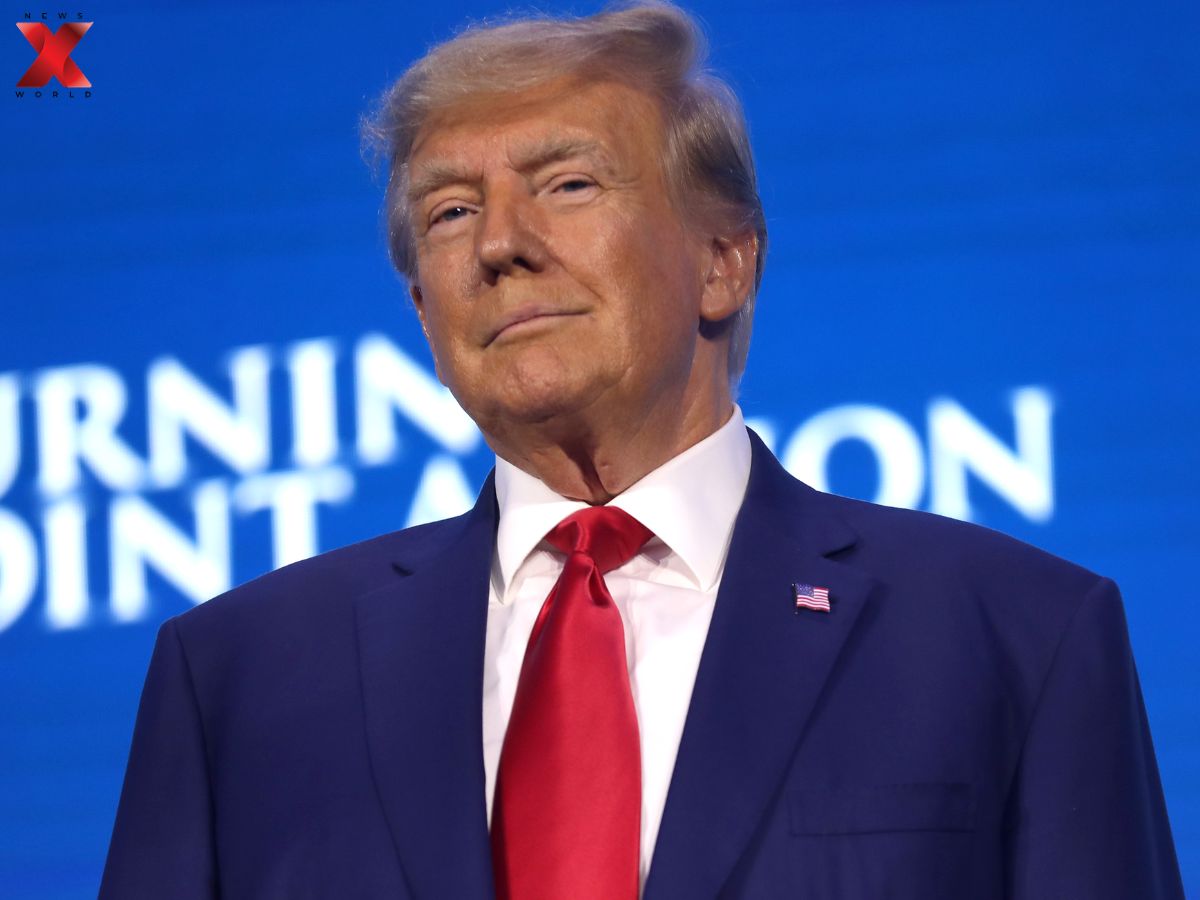
A US federal judge has blocked a proposal by President Donald Trump to impose a USD 100,000 fee on employers hiring foreign workers under the H-1B visa programme. The ruling halts a controversial policy that would have significantly raised costs for companies seeking skilled talent from abroad. According to Politico, US District Judge Richard Stearns ruled that the proposed payment system, introduced through a September 2025 proclamation and quickly enforced by the US State Department and the US Department of Homeland Security, violated the constitutional principle of separation of powers. The decision effectively stops the fee from being implemented as planned.
Trump’s justification and national security argument
Trump and his allies have argued that the H-1B programme misuses American workers and suppresses wages. They claim employers have used the system to hire foreign workers at lower pay, bypassing domestic talent.
‘Abuses of the H-1B programme present a national security threat by discouraging Americans from pursuing careers in science and technology, risking American leadership in these fields,’ Trump contended in his proclamation.
Court reasoning and legal background of the case
Judge Stearns’ ruling came months after a separate federal court decision in Washington, D.C., which had initially sided with the Trump administration in a similar challenge brought by the US Chamber of Commerce. That earlier ruling held that Congress had granted the president authority to impose such fees, though it preceded a later Supreme Court tariff decision in February that influenced the current judgement.
The updated ruling reflects a shift in legal interpretation, with the court finding that the executive branch had overstepped its authority in attempting to impose the fee unilaterally.
How the H-1B visa programme works
The H-1B visa allows US employers to petition for highly skilled foreign professionals in specialised occupations that typically require at least a bachelor’s degree. Employers must submit certified applications confirming that hiring an H-1B worker will not negatively affect wages or working conditions for American employees, according to the State of California Department of Justice.
The programme is capped annually by Congress at 65,000 visas, with an additional 20,000 reserved for individuals holding a US master’s degree or higher. It has been repeatedly adjusted over time to balance employer demand for skilled labour with protections for US workers.
Policy concerns and implementation issues
Congress has periodically strengthened enforcement measures, increased penalties, and regulated H-1B petition fees to prevent misuse of the system. Certain nonprofit and government-related organisations remain exempt from the annual cap to meet public service needs.
Trump’s September proclamation introduced an unprecedented USD 100,000 fee for new H-1B petitions, which critics argued could worsen labour shortages in sectors such as healthcare and education. The policy, implemented through directives from the Department of Homeland Security, applied to applications filed after September 21, 2025.
Concerns were also raised over the broad discretion granted to the Homeland Security Secretary in determining fee applicability or exemptions, with critics warning it could lead to selective enforcement against disfavoured employers.
(Inputs From ANI)
ALSO READ: 6.2 Strong Earthquake Hits Cuba, Shaking Felt In Florida And Mexico Regions
Harshita is a journalist and digital content writer specializing in breaking news, current affairs, travel, education, and trending stories. She is focused on delivering accurate, timely, and engaging content with a strong emphasis on clarity and audience relevance.





