

The United States has taken a fresh step to strengthen restrictions on the export of advanced artificial intelligence chips, targeting a loophole that may have enabled Chinese companies to access cutting-edge semiconductor technology through overseas subsidiaries.
According to new guidance issued by the US Department of Commerce on Sunday, export license requirements for advanced AI chips will now apply to Chinese-headquartered entities even when they operate outside mainland China. The action is designed to prevent the transfer of advanced AI processors from companies like Nvidia and AMD to Chinese firms through operations in other countries.
The guidance comes amid ongoing US restrictions on China’s access to advanced semiconductor technologies deemed critical for developing artificial intelligence and national security applications.
Concerns Over Overseas Subsidiaries Accessing AI Chips
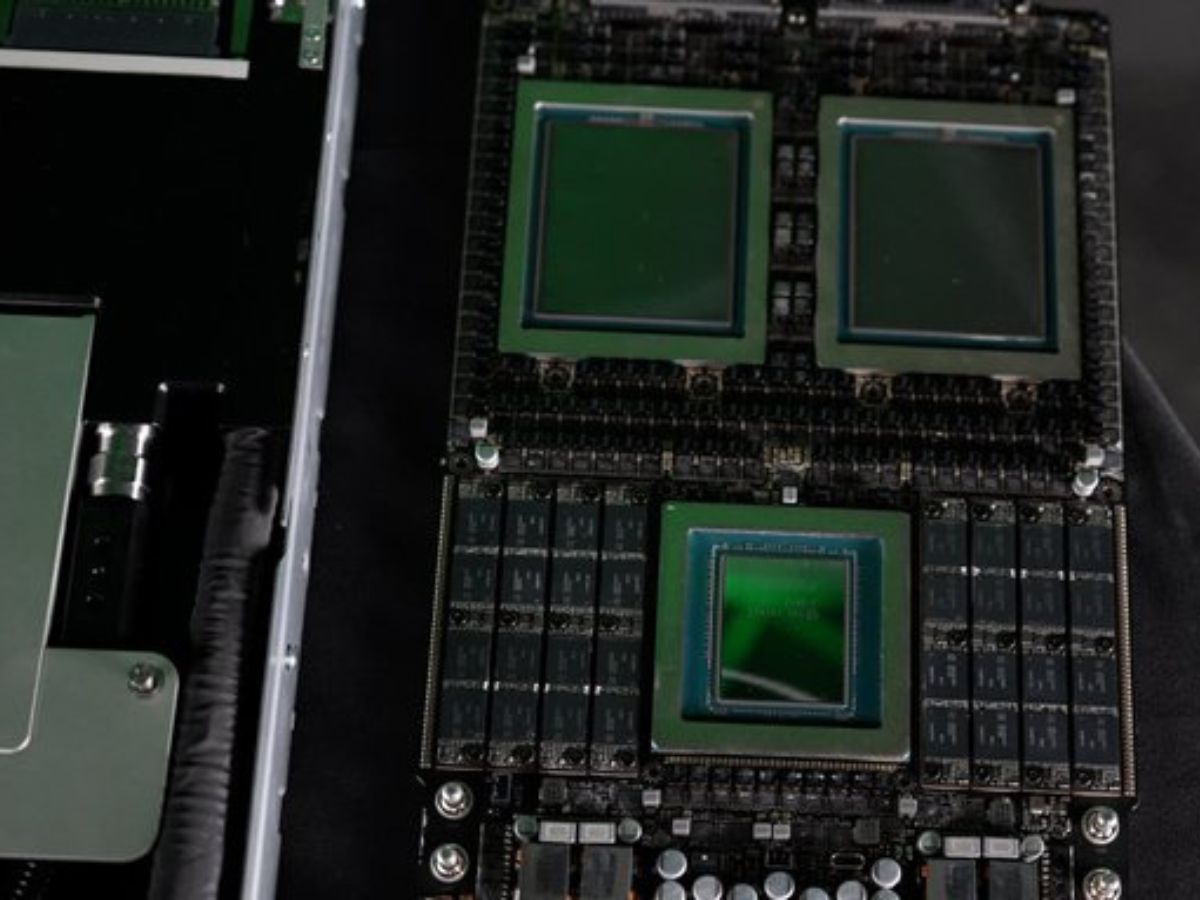
The latest restrictions address concerns that some of the world’s most advanced AI processors, including Nvidia’s Rubin and Blackwell chips and AMD’s MI350x accelerators, may have been reaching subsidiaries of Chinese companies located in countries such as Malaysia.
Industry observers say the issue emerged after the Trump administration announced in May 2025 that it would not enforce the AI Diffusion Rule introduced during the final days of the Biden administration. That rule was designed to regulate global access to advanced AI chips and related technologies.
The Commerce Department’s new guidance was published without prior notice over the weekend, signaling increased urgency around preventing potential circumvention of export controls.
U.S. takes step to halt Nvidia AI chip shipments to Chinese firms outside China – The unexpected guidance suggests that the U.S.’s best AI chips may have been making their way to the subsidiaries of Chinese AI firms for almost a year. Via @CNBC:https://t.co/KXa5L4qgnn
— 🌊💙 Viking Resistance 💙🌊 (@BlueCrewViking) May 31, 2026
The exact number of advanced chips that could have been shipped under the loophole is unknown. However, one semiconductor industry source with extensive supply-chain knowledge estimated that the figure could be in the hundreds of thousands.
If accurate, such volumes could represent a significant transfer of advanced computing capabilities to Chinese-linked organizations operating beyond China’s borders. The Commerce Department has not publicly commented further on the guidance and did not immediately respond to media inquiries seeking clarification.
NVIDIA and AMD Yet to Respond
NVIDIA and AMD, whose products are at the center of the latest export control measures, did not immediately respond to requests for comment following the announcement.
The new policy could have implications for both companies as global demand for high-performance AI chips continues to surge with the rapid expansion of artificial intelligence infrastructure and data center investments.
US policymakers have increasingly focused on ensuring that advanced semiconductor technologies do not reach entities viewed as strategic competitors, particularly those involved in AI research and development.
Reacting to the new guidance, technology expert and former US State Department official Chris McGuire said the policy addresses a significant weakness in existing export controls. ‘This is a HUGE problem.’
McGuire argued that the previous framework allowed overseas subsidiaries of Chinese companies to acquire Nvidia Blackwell chips without obtaining export licenses.
‘Chinese companies have been buying these chips, very likely at scale,’ McGuire said. His comments reflect growing concerns among policymakers and technology analysts that export restrictions may have been easier to bypass than originally intended.
Existing Data Centers Allowed to Continue Operations
The Commerce Department’s guidance does not require existing data centers to cease operations using advanced AI chips already in use, even as export restrictions tighten. The rules also do not require service providers to cease maintaining or supporting advanced computing systems and servers with the restricted hardware.
That means facilities that currently have such equipment can continue to use and service that equipment, while future acquisitions involving Chinese-headquartered entities will likely face increased scrutiny under the revised licensing requirements.
ALSO READ: Can JD Vance Lead MAGA After Trump? President Reportedly Has Doubts
Harshita is a journalist and digital content writer specializing in breaking news, current affairs, travel, education, and trending stories. She is focused on delivering accurate, timely, and engaging content with a strong emphasis on clarity and audience relevance.





