
The United States has acknowledged Pakistan’s offer to consider sending troops to Gaza as part of a proposed International Stabilisation Force (ISF), but stressed that no final decision has been taken. The development places Islamabad at the centre of a sensitive geopolitical debate with serious domestic and international consequences
What Did the US Say About Pakistan’s Offer?
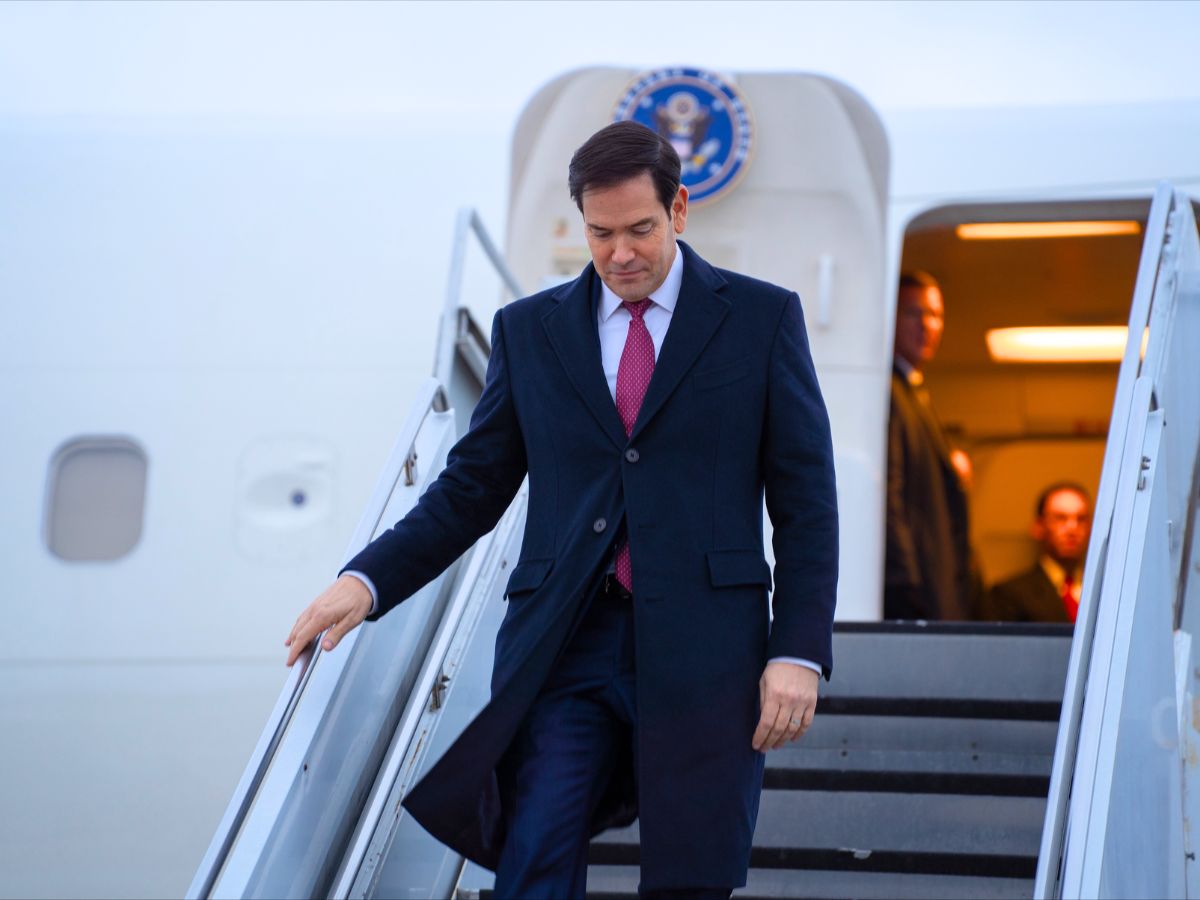
US Secretary of State Marco Rubio confirmed that Washington is “very grateful” to Pakistan for expressing willingness to consider participation in the ISF, a key component of President Donald Trump’s 20-point Gaza peace plan. However, Rubio made it clear that the US has not yet sought firm commitments from any country, including Pakistan, as key questions about the force’s mandate, funding and rules of engagement remain unresolved
What Is the International Stabilisation Force for Gaza?
The ISF is envisioned as a temporary multinational force aimed at maintaining security, supporting demilitarisation and assisting reconstruction in Gaza following a fragile ceasefire between Israel and Hamas. The plan was endorsed by the United Nations Security Council in November, with Pakistan voting in favour, while Russia and China abstained
Pakistan’s Official Position So Far
Pakistan has clarified that no decision has been taken on contributing troops. Foreign Office spokesperson Tahir Hussain Andrabi said Islamabad is still weighing its options. Foreign Minister Ishaq Dar has also underlined Pakistan’s red lines, stating that while peacekeeping may be considered, disarming Hamas “is not our job”
Disarming Hamas: The Biggest Unanswered Question
One of the core concerns for potential troop-contributing countries is whether ISF forces would be expected to disarm Hamas. Rubio acknowledged that this uncertainty is making several nations cautious, as such a role could drag foreign troops into direct conflict and escalate risks on the ground
Pressure on Pakistan Army Chief Asim Munir
Reuters reports suggest the Trump administration is pressing Pakistan to play a more active role, placing Army Chief Field Marshal Asim Munir in a difficult position. While contributing troops could strengthen ties with Washington, backing away could strain relations with President Trump, with whom Munir has cultivated close engagement
Domestic Backlash and Political Risks at Home
Sending Pakistani troops to Gaza could trigger significant domestic unrest. Islamist parties and pro-Palestinian groups are strongly opposed to any US- or Israel-linked military mission. Analysts warn that participation in the ISF could spark protests and deepen political tensions, with critics accusing the military leadership of “doing Israel’s bidding”
What It Means for Pakistan
Pakistan’s decision will carry high stakes. Militarily, it has the capacity and experience for such a mission. Politically, however, the risks are considerable balancing strategic ties with the US against domestic public opinion and regional sensitivities. For now, Islamabad appears to be keeping its options open, as Washington works to clarify the structure and scope of the Gaza stabilisation force.
Sofia Babu Chacko is a journalist with over five years of experience covering Indian politics, crime, human rights, gender issues, and stories about marginalized communities. She believes that every voice matters, and journalism has a vital role to play in amplifying those voices. Sofia is committed to creating impact and shedding light on stories that truly matter. Beyond her work in the newsroom, she is also a music enthusiast who enjoys singing.