
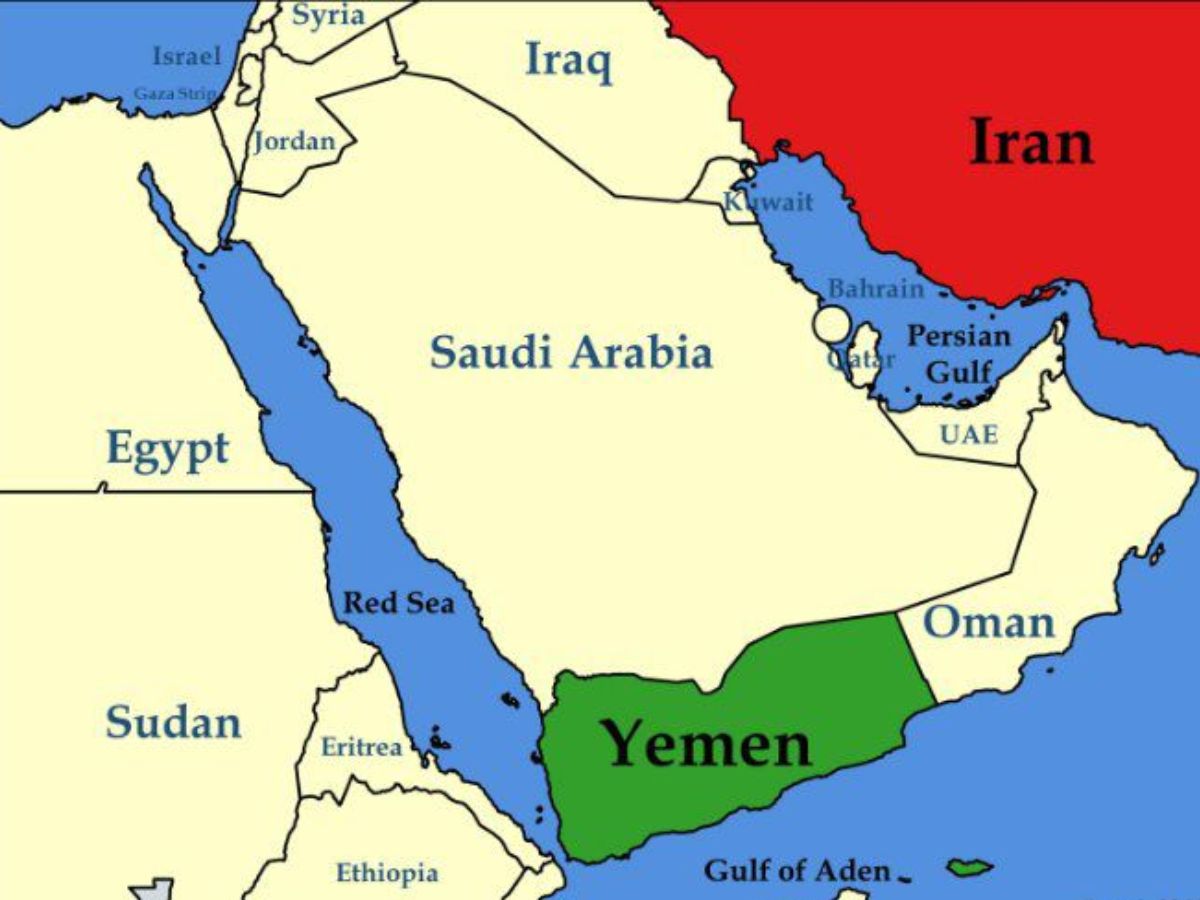

The Houthi movement, formally known as Ansar Allah, is a powerful militia and political group based in northern Yemen that has become a major player in Middle Eastern geopolitics. The group with a revivalist Zaydi Shiite background has gained strength in the course of the internal wrangles in Yemen and has greatly increased its weight following the capture of the capital Sanaa in 2014. Although the internal conflict in Yemen is not new, the emergence of the Houthis made it the center of regional power politics between Saudi Arabia, the United Arab Emirates, Iran and the Western world.
Who Are The Houthis?
Houthis are often considered to be the most important ally of Iran in Yemen, but the essence of the alliance is complicated. The city of Tehran allegedly has been offering military, financial, and logistical support to the Houthis throughout the last decade to strengthen their missile and drone forces. This aid has escalated since the breakdown of the Yemeni government in 2011, and both parties have been benefiting, Iran has gained a presence on the Arabian Peninsula and the Houthis have obtained modern weaponry and training. However, the Houthis and Iran themselves do not confirm that the group is a mere proxy and continue to assert that the movement has its own political and military agenda.
Houthis Launch First Missile From Yemen Towards Israel
Although the Houthis had connections with Iran, it was not an instant war with the wider US-Israel-Iran conflict when it started. Other Iran allied organizations, including the Hezbollah in Lebanon and other militia forces in Iraq became part of the conflict earlier and were fighting directly against the US and the Israeli interests. According to analysts, the initial caution of the Houthis was a strategic reason, the domestic interests, and the peculiarities of their religious belief, which although being ideologically friendly is not as close to the hierarchy of Shiite Iran as the other groups the Houthis allied with.
That restraint however changed as the tensions escalated. The Houthis have on numerous occasions demonstrated that they would be willing to enter the conflict in case of attacks on Iran and its supportive countries, and that they will do so in a proportional way that would satisfy the interests of Tehran. This menace has come into the limelight in the last few weeks when a missile was launched out of Yemen into Israel and the group publicly announced that they were ready to strike in case the conflict escalated further, and the organization would create a new front in the regional war.
The implication of the involvement of the Houthis is strategic. They have a possible dominant position over international shipping and oil supplies, which are considered major highways of global trade, as they control the area around key shipping routes, including the Red Sea and the Strait of Hormuz. Drone and missile attacks by the group that have occurred in recent years and attacks on shipping in the Red Sea have already caused disruption to the traffic and international concern. In case the conflict is broadened, their activities may create additional risks to the world energy markets and the stability of the region.
Houthis In Yemen
The rule of the Houthis in Yemen has been a controversial one as well at home. Even though they still have control of vast portions of the country, their rule is being criticized as one that led to one of the most dire humanitarian disasters in the world and displacement, food insecurity and infrastructure breakdown are widespread among the citizens. There is no unanimity among the population: part of Yemenis accept them as the factual government, whereas others do not like their policies and aggressive strategies. Their support of the Iranian cause, counterposed to the local nationalist goals, remains to form the domestic circulation of Yemen and its position in the general geopolitical arena.
Houthis are an influential military and political group that has its origins in the complicated domestic politics in Yemen, which is currently allied with Iran as one of the regional organizations against the United States and Israel. The fact that they are increasingly interested in the continuing war reflects the complex nature of Middle Eastern geopolitics, with local rebellions and international power politics interacting on a global scale with implications on both security, trade and diplomacy.




