
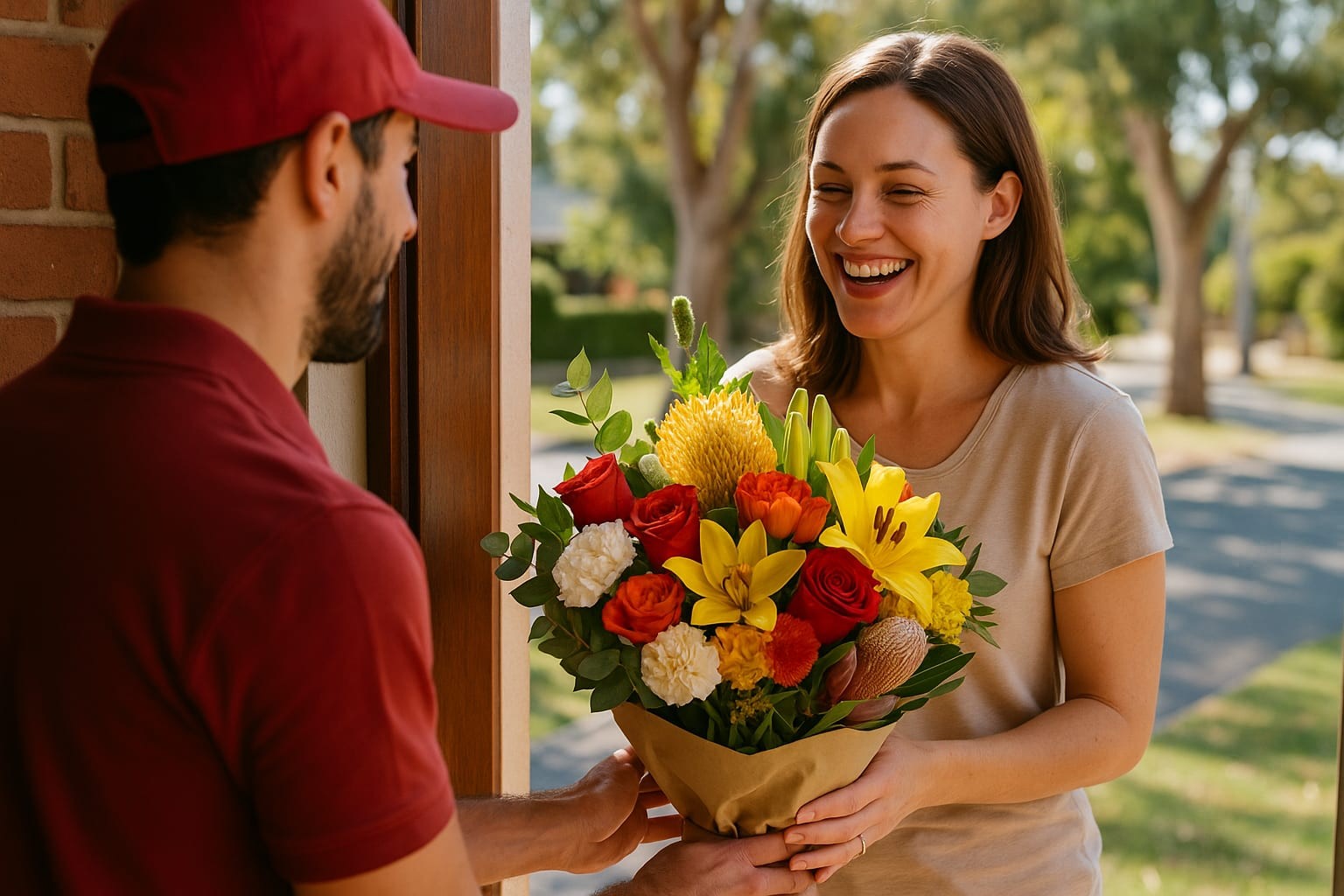
For decades, flowers have been closely tied to specific events — birthdays, anniversaries, and holidays. While those occasions still drive demand, a growing number of consumers are now purchasing flowers more regularly, often without a defined reason.
This change is being driven by a combination of convenience, evolving lifestyle habits, and the rise of online-first retailers. Services offering streamlined ordering and same-day delivery, such as those provided by The Wild Rose, are making it easier for consumers to treat flowers as an accessible, repeat purchase rather than a one-off gift.
A Shift Toward Everyday Gifting
One of the more noticeable changes in the market is the rise of “just because” purchases.
Consumers are increasingly using flowers as a way to enhance their living environment or mark smaller, personal moments. This shift reflects a broader trend toward everyday indulgences, where smaller, more frequent purchases replace larger, occasional ones.
In many cases, flowers are being bought for the home rather than as a gift. This represents a subtle but important change in how the category is positioned, moving from a purely emotional purchase to one that also carries a lifestyle component.
Convenience Is Reshaping the Category
The growth of online delivery has played a significant role in enabling this behaviour.
Previously, buying flowers often required a deliberate trip to a florist. Today, the process is far more frictionless. Consumers can browse, select, and order within minutes, with delivery options that fit around their schedules.
This reduction in effort is lowering the barrier to purchase. When something becomes easier to access, it tends to become more frequent, and the flower market is no exception.
Changing Expectations Around Quality
At the same time, expectations around quality are increasing.
Consumers are not just looking for convenience; they also want consistency and presentation. The rise of direct-to-consumer flower delivery has raised the standard across the category, with greater emphasis on freshness, arrangement design, and overall experience.
This is influencing how businesses operate, with a stronger focus on supply chain efficiency and product handling to ensure that flowers arrive in optimal condition.
The Influence of Digital Culture
Digital platforms are also shaping demand.
Social media has played a role in normalising flowers as part of everyday life, rather than something reserved for special occasions. Images of home interiors, dining setups, and lifestyle content frequently feature fresh flowers as a subtle but impactful detail.
This visibility reinforces the idea that flowers are part of a broader aesthetic, rather than a standalone purchase.
A More Flexible Purchasing Pattern
Another change is the move toward more flexible purchasing behaviour.
Rather than planning purchases around specific dates, consumers are making decisions in the moment. This is supported by delivery models that can accommodate short timeframes, including same-day or next-day options.
For retailers, this creates both opportunities and challenges. While demand becomes more consistent, it also requires a higher level of operational responsiveness.
A Market That Is Expanding, Not Shifting
Importantly, this trend is not replacing traditional gifting occasions. Events such as Valentine’s Day and Mother’s Day remain significant drivers of demand.
What is changing is the baseline level of activity between those peaks.
As more consumers incorporate flowers into their regular routines, the overall market is expanding. This creates a more stable demand profile, reducing reliance on seasonal spikes.
A Reflection of Broader Consumer Trends
The evolution of the flower delivery market mirrors wider changes in consumer behaviour.
There is a growing preference for convenience, combined with a desire for products that enhance everyday life. Smaller, more frequent purchases are becoming more common across multiple categories, from food delivery to home goods.
Flowers fit naturally into this pattern, offering an accessible way to improve both environment and mood.
A Category Redefining Itself
The flower market is not undergoing a dramatic transformation, but it is being redefined in subtle ways.
As delivery models improve and consumer expectations evolve, flowers are becoming less tied to tradition and more integrated into daily life. This shift is creating new opportunities for businesses that can balance convenience, quality, and reliability.





