
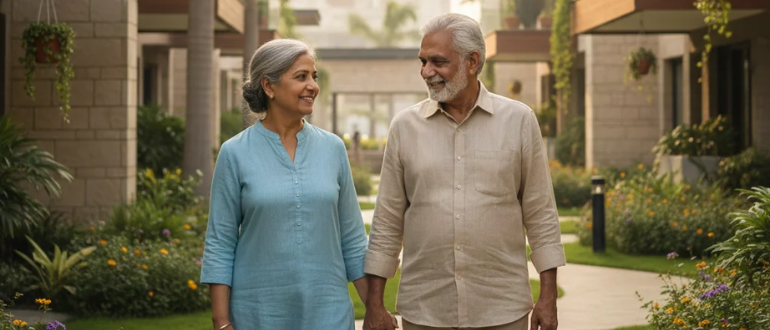
NewsxAcross developed markets, a growing number of retirees are moving away from traditional rural or coastal destinations and instead opting for well-connected urban environments. Access to healthcare, transport, and social infrastructure is increasingly outweighing the appeal of isolation and slower-paced settings.
This shift is becoming particularly visible in cities like Wellington, where demand for retirement living options continues to grow as more people prioritise convenience and connection in later life. Developments highlighted through providers such as Summerset’s overview of local villages reflect this broader movement toward integrated, community-focused living.
A Shift Away From Traditional Retirement Thinking
For decades, retirement has been associated with stepping away from urban life. Moving to quieter regions was often seen as the natural next step — a way to slow down and reduce the pace of everyday living. That mindset is changing.
Today’s retirees are typically more active, more connected, and more engaged than previous generations. Many continue to work, travel regularly, or maintain strong social and professional networks. As a result, proximity to services and opportunities is becoming more important than distance from them.
Cities are increasingly able to offer that balance. Rather than being overwhelming, they are being viewed as practical, accessible environments that support independence.
The Appeal of a Connected Lifestyle
One of the key drivers behind this shift is connectivity.
Urban environments provide easier access to transport, healthcare, and day-to-day amenities. For retirees, this reduces reliance on long-distance travel and simplifies daily routines. Being able to walk to shops, access public transport, or attend local events becomes a meaningful part of maintaining quality of life.
At the same time, social connection plays a major role. Cities tend to offer more opportunities for interaction, whether through community spaces, cultural events, or simply proximity to friends and family.
This combination of physical and social accessibility is proving increasingly attractive for those planning their next stage of life.
Healthcare Access Is Becoming a Priority
Access to healthcare is another factor shaping retirement decisions.
While it has always been important, it is now being considered earlier in the planning process. Retirees are looking for locations that can support them not just today, but in the years ahead.
Urban centres typically provide stronger access to hospitals, specialists, and ongoing care services. This creates a level of reassurance that is difficult to replicate in more remote areas.
Importantly, this is less about immediate need and more about long-term planning. Choosing a location with strong infrastructure allows for greater flexibility as circumstances change.
Downsizing Without Sacrificing Lifestyle
The idea of downsizing is also evolving.
In the past, it often meant giving something up — whether space, comfort, or access to amenities. Today, many retirees are looking for ways to simplify their living arrangements without compromising on quality of life.
Purpose-built retirement communities are playing a larger role in meeting this demand. These environments are designed to offer independence alongside optional support, allowing residents to maintain control over their lifestyle while having access to additional services if needed.
In locations like Wellington, this model is becoming increasingly prominent, reflecting a broader shift toward flexible living arrangements.
Lifestyle Still Matters — But It Looks Different
Lifestyle remains a central consideration, but the definition is changing.
Rather than focusing solely on scenery or tranquillity, many retirees are prioritising accessibility, convenience, and engagement. The ability to stay active, connected, and involved in everyday life is becoming just as important as relaxation.
Urban environments are well positioned to support this. They offer a mix of cultural, social, and practical benefits that align with modern expectations of retirement.
A Reflection of Broader Demographic Trends
This shift toward urban retirement is not isolated to one region. It reflects broader demographic changes, including longer life expectancy and evolving attitudes toward ageing.
As these trends continue, demand for well-located, well-designed retirement options is likely to increase. Cities that can offer both infrastructure and lifestyle will be particularly well positioned.
Wellington serves as a strong example of how these elements can come together, but similar patterns are emerging globally.
Looking Ahead
Retirement is no longer defined by withdrawal from everyday life. Instead, it is increasingly seen as an opportunity to remain active, connected, and engaged.
The growing preference for urban living highlights a shift in priorities, where convenience and community are valued alongside traditional ideas of rest and relaxation.
For those planning the next chapter, the question is changing. It is no longer just about where to slow down, but where it makes sense to continue living well.





