
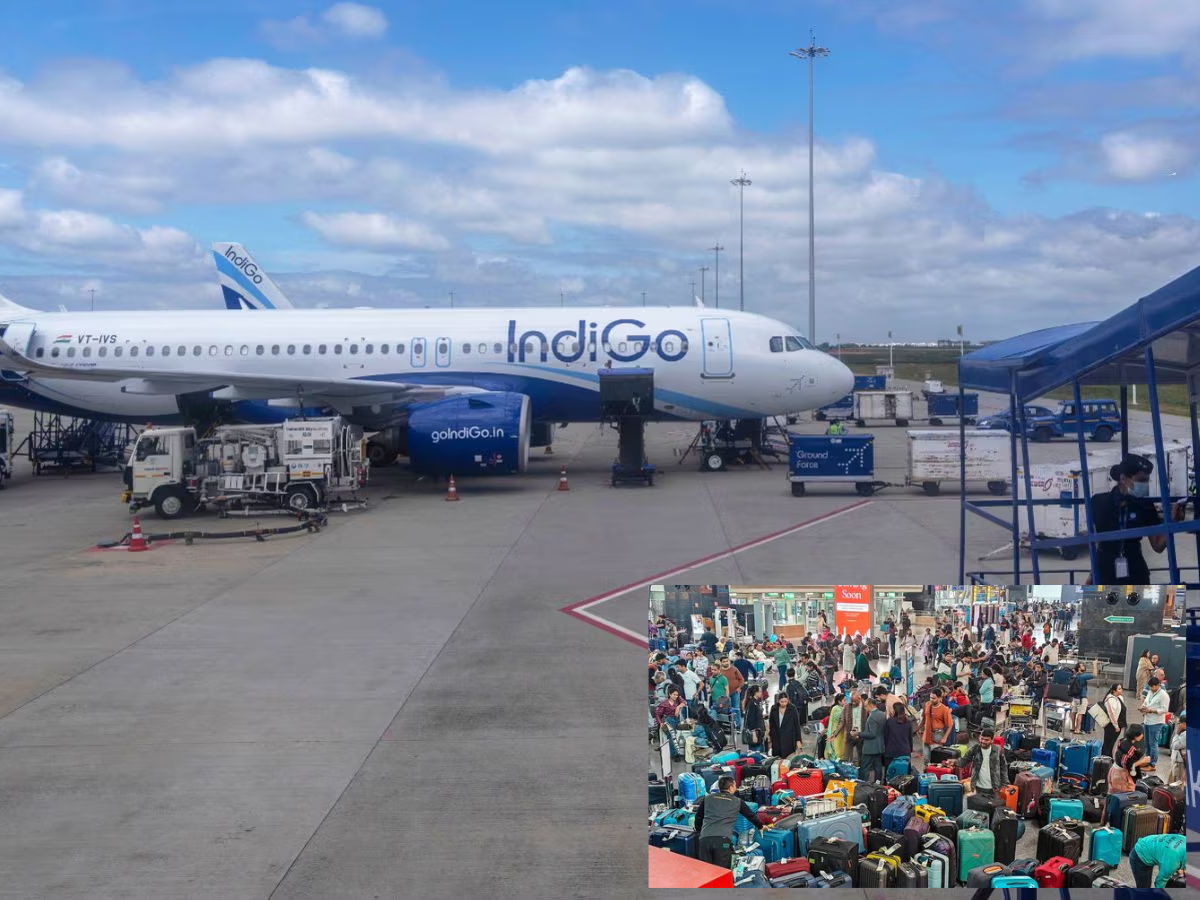

IndiGo issued a statement on Saturday, December 6, saying the airline will operate more than 1,500 flights by the end of Sunday. The airline said it has already restored over 95 percent of its network connectivity after days of widespread delays and cancellations.
IndiGo said the disruptions continued across several cities, including Mumbai, Hyderabad and Guwahati, where passengers faced long waiting hours due to more than 100 cancellations on Saturday. The airline said its teams worked through the day to handle stranded passengers at airports and resume normal flight operations as quickly as possible.
IndiGo said it carried out a planned system reboot on December 5 to stabilise its network. The airline said it cancelled a large number of flights that day and operated just over 700 services to 113 destinations during the reset.
The airline said the reboot supported its plan to improve schedules, adjust rosters and increase flights on Saturday. IndiGo said it started Saturday with a stronger network and claimed early signs of stability. The airline said its teams continued to organise operations and focus on restoring flights for passengers across India.
Airline Says Its Connectivity Returned to Over 95 Percent
IndiGo said it restored more than 95 percent of its network connectivity and resumed operations to 135 out of its 138 destinations. The airline spokesperson said teams worked with partners and airport authorities to reconnect routes that remained suspended during the reboot.
IndiGo thanked its staff, government agencies and customers for support during the disruptions. The airline also apologised for the inconvenience caused to passengers. IndiGo said it aims to rebuild customer trust by continuing to improve flight schedules, strengthen operations and respond to passengers who faced delays during the cancellations.
IndiGo said cancellations dropped below 850 flights on Saturday after several days of nationwide disruption. The airline said it is working to stabilise operations and improve communication with passengers. IndiGo advised travellers to check updated flight status online and apply for refunds if required.
The airline said refund requests are being cleared on priority. IndiGo added that it is coordinating with airports and partners to give passengers timely information at terminals, on its website and through direct notifications. The airline said it will continue restoring normal operations across its network in the coming days.
Decoded: What Led To The Severe Shortage For Indigo?
IndiGo continued to face major problems due to a sudden shortage of pilots and cabin crew after new duty-time rules came into force on November 1. The updated norms reduced the number of hours crew members can legally work and increased compulsory rest time. Many flights remained grounded because no eligible crew was available to operate them. Aviation sources said IndiGo cancelled entire rotations when pilots rostered earlier crossed their legal limits under the new rules. The staff shortage directly affected several routes and created delays across the network as aircraft waited for replacement crew.
New Roster Rules Affect Daily Operations
India introduced a new phase of Flight Duty Time Limitations, designed to reduce fatigue and improve safety standards. IndiGo, which runs one of the largest daily flight schedules in the region, struggled to rebuild rosters under the revised limits. The airline had to rewrite duty charts, night-landing plans and weekly rest schedules for hundreds of pilots at once. Insiders said the system needed more time to stabilise, and the new norms created sudden staff gaps on high-traffic routes. The network faced disruptions as the airline attempted to balance duty limits with operational demands.
Technical Issues at Key Airports Add Delays
Major airports, including Delhi and Pune, reported system failures earlier in the week. The problems affected check-in counters and departure control systems, creating long queues and slowing operations. IndiGo flights experienced delays when technical glitches interrupted the normal flow of aircraft and crew movement. These delays collected quickly through the day and created further pressure on the tightly connected schedule. The disruptions prevented several aircraft from departing on time, which affected onward flights and route timings across the country as the airline tried to clear the backlog.
Airport Congestion and Winter Traffic Slow Recoveries
Heavy passenger traffic, winter fog conditions and peak-hour congestion added another layer of pressure on IndiGo’s operations. Even small delays created large ripple effects due to the scale of the airline’s network. IndiGo operates more than 2,200 flights each day, and any slowdown impacts several connected routes. Government data showed IndiGo’s on-time performance dropped to 35 percent on Tuesday, suggesting more than 1,400 flights were delayed. DGCA data also recorded 1,232 cancellations in November, reflecting continued operational stress. The combination of weather-related challenges and dense scheduling slowed the recovery process.
Higher Weekly Rest Requirements
The DGCA’s new rules mandate longer weekly rest periods for pilots. The norms reduce the number of consecutive duties a pilot can perform, which limits how many flights they can legally operate. These requirements affect roster planning and increase the number of crew members needed each week.
Restrictions on Night Landings
The new norms allow pilots to perform only two night landings within a defined period, reduced from the earlier limit of six. Airlines that operate many night-time flights face significant adjustments as multiple crews become necessary for the same routes.
Reduced Duty Hours for Crew
DGCA limits flight time to 8 hours per day, 35 hours per week, 125 hours per month and 1,000 hours per year. Crew must also receive rest periods equal to twice the duration of their duty hours, with a minimum 10-hour break within any 24-hour window. These rules improve safety but require more pilots per aircraft. IndiGo’s large overnight network faced major challenges under this change.
Why only Indigo?
IndiGo operates the biggest share of domestic flights in India. With such a large schedule, even minor disruptions create widespread delays across the network. The airline’s scale makes it more difficult to recover quickly compared to smaller carriers.
Extensive Night-Time Operations
IndiGo runs several overnight flights on busy sectors, while other carriers like Air India, Vistara and Akasa operate fewer night routes. The new cap on night landings directly reduced crew availability for IndiGo, forcing multiple adjustments to night-time schedules.
Tight Crew Utilisation Model
IndiGo uses a high-efficiency system that relies on maximum use of crew hours and limited downtime. When duty-time rules tightened, staff gaps appeared immediately. The new norms restricted how the airline could distribute duties across pilots and cabin crew.
Swastika Sruti is a Senior Sub Editor at NewsX Digital with 5 years of experience shaping stories that matter. She loves tracking politics- national and global trends, and never misses a chance to dig deeper into policies and developments. Passionate about what’s happening around us, she brings sharp insight and clarity to every piece she works on. When not curating news, she’s busy exploring what’s next in the world of public interest. You can reach her at [swastika.newsx@gmail.com]




