
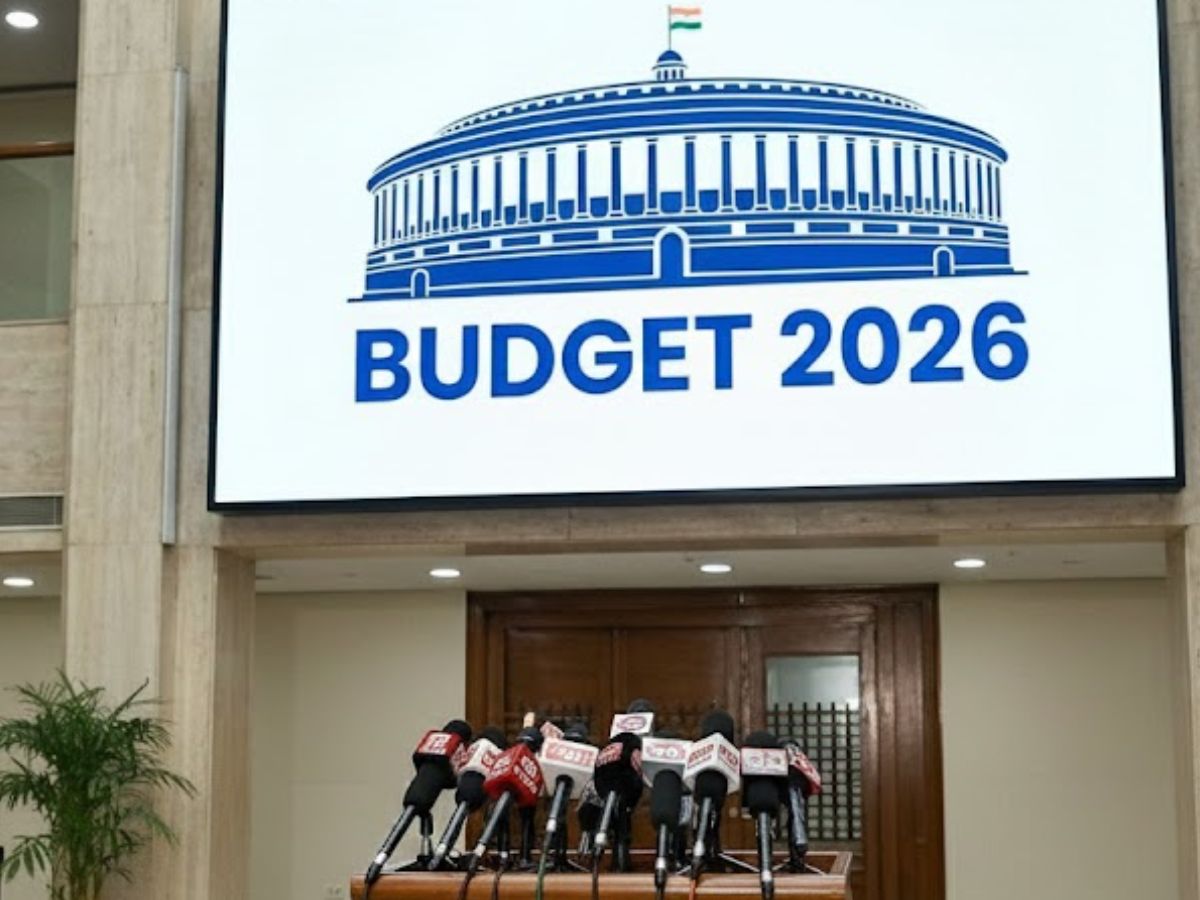

Budget 2026’s Quiet Push to Strengthen Incomes and Ease Everyday Life
With the approach of Budget 2026, the focus is not only on tax slabs and rebates but also on how the government plans to make everyday life a little easier (and incomes a little stronger). This budget is expected to move beyond temporary fixes and focus on sectors like agriculture, rural development, infrastructure, and MSMEs, which are often overlooked, but quietly create jobs, determine income stability, and influence people’s willingness to spend. Expectations are high and markets are paying close attention; therefore, Budget 2026 may be less about surprise announcements and more about smart, gradual policies that keep the economy moving without irritating taxpayers.
What’s In Budget 2026 For The Public And Taxpayers?
Agriculture, Rural Growth and Infrastructure Take Centre Stage
As Budget 2026 inches closer, the spotlight isn’t just on tax slabs, it’s on where the money actually works hardest. Agriculture and rural India are set to be key focus areas, with smarter policies expected to replace old-style handouts.
Agriculture Spending: Less Freebies, More Future-Proofing
- Farm allocations have grown from ₹21,933 crore in FY14 to over ₹1.27 lakh crore today, and the spending push is likely to continue.
- This time, the focus may shift from subsidies to sustainability and productivity.
- Key expectations include:
- Stronger digital infrastructure for agriculture
- Support for exports such as shrimp and high-value crops
- Boost to allied sectors like livestock, fisheries, and horticulture
- Expansion of cold-chain and food processing infrastructure could reduce wastage and improve farm incomes.
Market View: Where Investors Are Looking
- Investors are focusing less on headline announcements and more on earnings visibility and balance-sheet strength.
- Sectors likely to attract attention include:
- Fertilisers and agro-chemicals
- Farm mechanisation and irrigation equipment
- Agri-logistics and supply chains
- Structural tailwinds such as higher cropping intensity, precision farming, a steady monsoon outlook, and improved rural credit flow support long-term growth.
The Bigger Shift
- Budget 2026 could quietly move agriculture from subsidy-led support to productivity-led growth.
- Fewer short-term fixes and more long-term reforms could benefit farmers, taxpayers, and the broader economy alike.
Four Key Agriculture Themes To Watch in Budget 2026
1. Agri Spending and the Productivity Push
- Agriculture contributes nearly 18–20% of India’s GDP, making it a critical focus area for Budget 2026.
- The government is expected to shift spending from short-term relief measures toward long-term productivity and sustainability.
- Key focus areas may include climate-resilient farming, efficient irrigation, improved market access, and better use of technology to manage rising input costs.
- For farmers, this could mean higher yields and stable incomes; for taxpayers, more efficient use of public funds.
2. New Seeds Bill: Quality Control Gets Serious
- The proposed New Seeds Bill aims to tackle the widespread issue of counterfeit and low-quality seeds.
- With penalties of up to ₹30 lakh and imprisonment up to three years, the bill seeks to protect farmers from crop losses caused by poor inputs.
- Organised players such as Kaveri Seeds, UPL, PI Industries, Bayer CropScience, and other credible agri-input companies could benefit as quality standards tighten.
- Over time, this could improve farm productivity and reduce disputes between farmers and suppliers.
3. Agri and Food Exports: Moving Up the Value Chain
- India’s agri and food exports currently stand at USD 50–55 billion annually, but face challenges from global trade disruptions and tariffs.
- Budget 2026 may focus on export facilitation, faster approvals, and incentives for value-added agri products rather than raw exports.
- Better export support could help farmers and agri-companies earn higher margins while strengthening India’s position in global food markets.
4. Logistics and Cold-Chain Expansion: Cutting Wastage, Raising Incomes
- Logistics costs in India have already improved, falling to 13–14% of GDP, and Budget 2026 may push this further.
- Expansion of cold-chain storage, food processing, and rural connectivity is expected to reduce post-harvest losses.
- Better logistics improve price discovery, ensuring farmers get fairer prices and consumers benefit from stable supply.
Why Budget 2026 Matters to Your Wallet
Aishwarya is a journalism graduate with over three years of experience thriving in the buzzing corporate media world. She’s got a knack for decoding business news, tracking the twists and turns of the stock market, covering the masala of the entertainment world, and sometimes her stories come with just the right sprinkle of political commentary. She has worked with several organizations, interned at ZEE and gained professional skills at TV9 and News24, And now is learning and writing at NewsX, she’s no stranger to the newsroom hustle. Her storytelling style is fast-paced, creative, and perfectly tailored to connect with both the platform and its audience. Moto: Approaching every story from the reader’s point of view, backing up her insights with solid facts.
Always bold with her opinions, she also never misses the chance to weave in expert voices, keeping things balanced and insightful. In short, Aishwarya brings a fresh, sharp, and fact-driven voice to every story she touches.




