
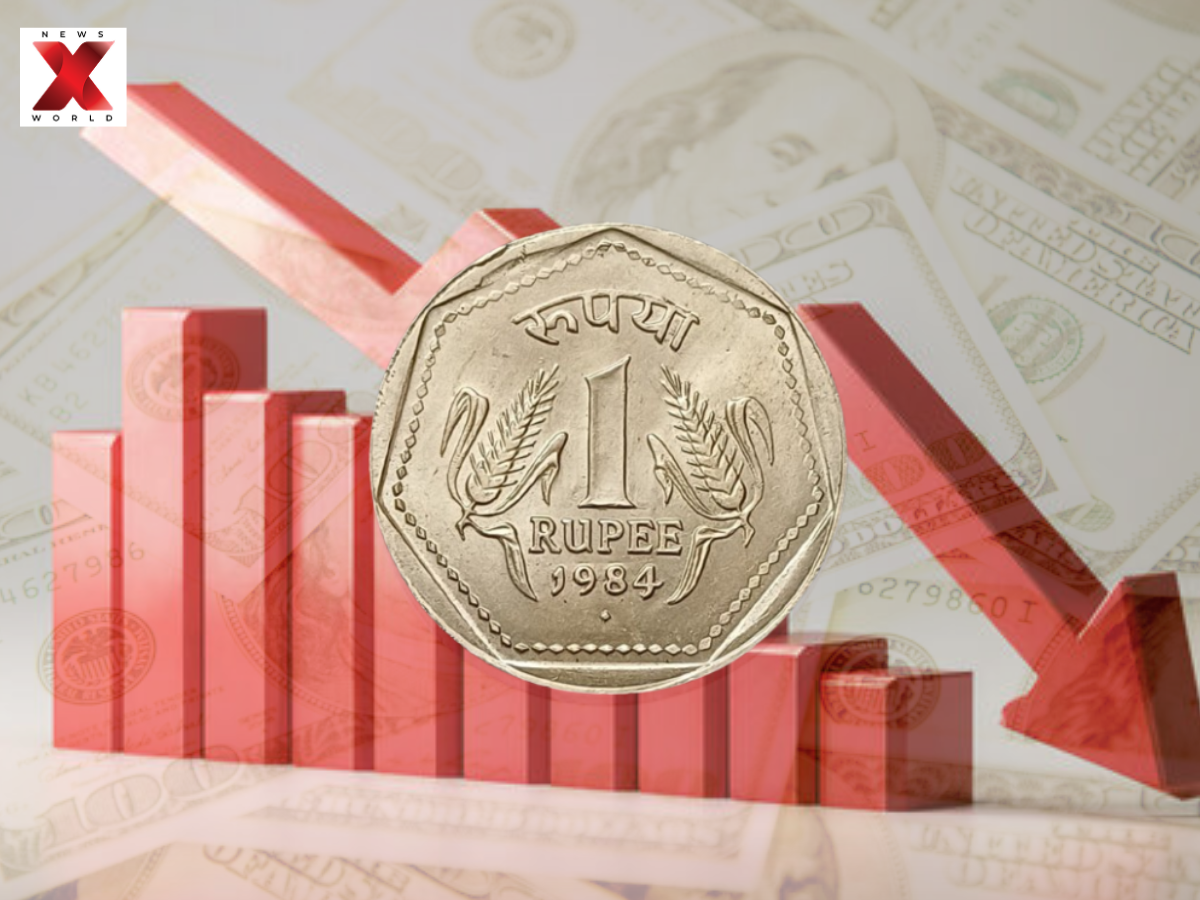

The rupee appears to be caught in a familiar trap. For the third consecutive session, India’s currency weakened again on Friday, slipping 10 paise to 90.44 per US dollar in early trade. Persistent foreign fund outflows and an unbothered, strengthening dollar continued to weigh heavily. While lower crude prices and a positive equity market attempted to play saviour, the relief was barely felt.
The rupee opened at 90.37 but quickly lost ground, mirroring Wednesday’s 11-paise fall and the decline before that. The message is loud and clear, and grim: support for the rupee remains elusive, and investor confidence is still fragile.
Key Levels To Watch For Indian Currency, Rupee
The Indian rupee continues to face challenges as USD/INR moves between important technical levels amid persistent market volatility. The currency pair faces strong resistance in the 90.30–90.50 zone, and if it sustains above this, it could head toward 91.20–91.50. Conversely, 89.50 is considered a significant support level, helping to limit losses. Analysts expect the rupee to trade within a broad range of 88–91 during the first half of 2026, driven by global uncertainties, foreign fund outflows, and domestic market fluctuations. Short-term movements may see the pair oscillate between 89.20–91.40, requiring close monitoring by traders and investors.
Top 4 reasons behind the downfall of Rupee
1. Persistent FPI Outflows
Foreign Portfolio Investors (FPIs) continue to be net sellers in Indian equities. In January alone, FPIs have withdrawn ₹19,015 crore so far. The sustained exit of foreign capital has reduced dollar inflows, putting consistent pressure on the rupee.
2. Hawkish US Federal Reserve Stance
Recent comments from US Federal Reserve officials have kept markets on edge. Policymakers reiterated that interest rate cuts would only be considered after sustained progress toward the 2% inflation target. This “higher-for-longer” rate outlook continues to support the dollar and weigh on emerging market currencies like the rupee.
3. Strong US Dollar
A stronger-than-expected US labour market has pushed the dollar to a six-week high. Initial jobless claims for the week ended January 10 fell to 198,000, well below market expectations of 215,000. The data reinforced confidence in the resilience of the US economy, strengthening the dollar and pressuring the rupee.
4. Delay in India–US Trade Deal
Although India is close to finalising trade agreements with the US and the European Union, the lack of a clear timeline for the India–US deal has dampened market sentiment. Experts believe a favourable outcome could help reverse foreign portfolio outflows and support the rupee.
(With Inputs From ANI, Reuters)
Aishwarya is a journalism graduate with over three years of experience thriving in the buzzing corporate media world. She’s got a knack for decoding business news, tracking the twists and turns of the stock market, covering the masala of the entertainment world, and sometimes her stories come with just the right sprinkle of political commentary. She has worked with several organizations, interned at ZEE and gained professional skills at TV9 and News24, And now is learning and writing at NewsX, she’s no stranger to the newsroom hustle. Her storytelling style is fast-paced, creative, and perfectly tailored to connect with both the platform and its audience. Moto: Approaching every story from the reader’s point of view, backing up her insights with solid facts.
Always bold with her opinions, she also never misses the chance to weave in expert voices, keeping things balanced and insightful. In short, Aishwarya brings a fresh, sharp, and fact-driven voice to every story she touches.




