
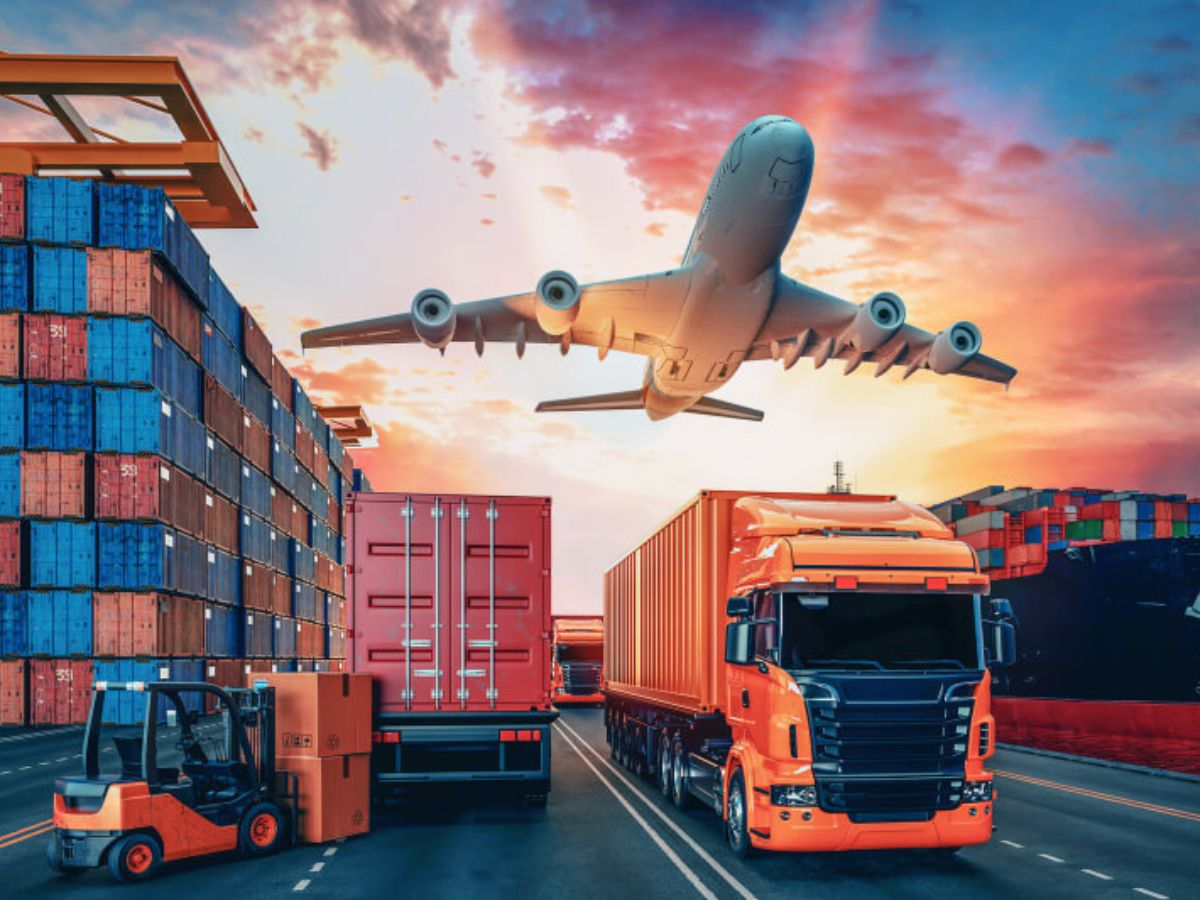

Philippines and Indonesia agrees to a new trade deal with the United States, marking a significant development in their global trades ahead of August 1 deadline.
President Donald Trump confirmed both agreements after his meeting with Philippine President Ferdinand Marcos Jr. at the White House.
In this deal, imported goods of Philippines and Indonesia to the US will face a 19% tariff. However, American exports to both nations will have no tariffs. President Donald Trump has announced it via his official social media platform, yet there is no formal signing formality confirmed by US officials.
The export of goods to the US in 2024 was $14 billion. Export included electronics, processed foods, and apparel, as per the data from the US Commerce Department. Whereas, US exports to the Philippines was led by electronics and machinery.
Indonesia Deal Targets Non-Tariff Barriers
The US also released new details about its trade agreement with Indonesia. The Southeast Asian nation has approved to eliminate non-tariff barriers, inculcating taxes on digital service revenues and requirements for pre-shipment inspections. These variations object to decrease export costs for US farmers and technology firms.
In addition, Indonesia will adopt US vehicle safety standards and remove restrictions on critical minerals. The US imported apparel and footwear as top imports. Exports to Indonesia includes agricultural and energy products.
President Donald Trump Pushes for Broader Trade Resets
These deals are part of a broader strategy ahead of the August 1 deadline. Trump has said his administration is prioritizing the quality of deals over volume.
Also Read: After US-Japan Trade Deal, Is India Next In Line for A New Tariff Framework?
Ankur Mishra is a journalist who covers an extensive range of news, from business, stock markets, IPOs to geopolitics, world affairs, international crises, and general news. With over a decade of experience in the business domain, Ankur has been associated with some of the reputed media brands. Through a sharp eye on global marketplaces along with deep insights and analysis of business strategies, Ankur brings simplicity to the complex economic matrix to decode market trends and empower people.
He is committed to entrenched data, facts, research, solutions, and a dedication to value-based journalism. He has covered trade tariff wars, international alliances, corporate policies, government initiatives, regulatory developments, along with micro- and macroeconomic shifts impacting global fiscal dynamics.




